Administrator
31 October 2026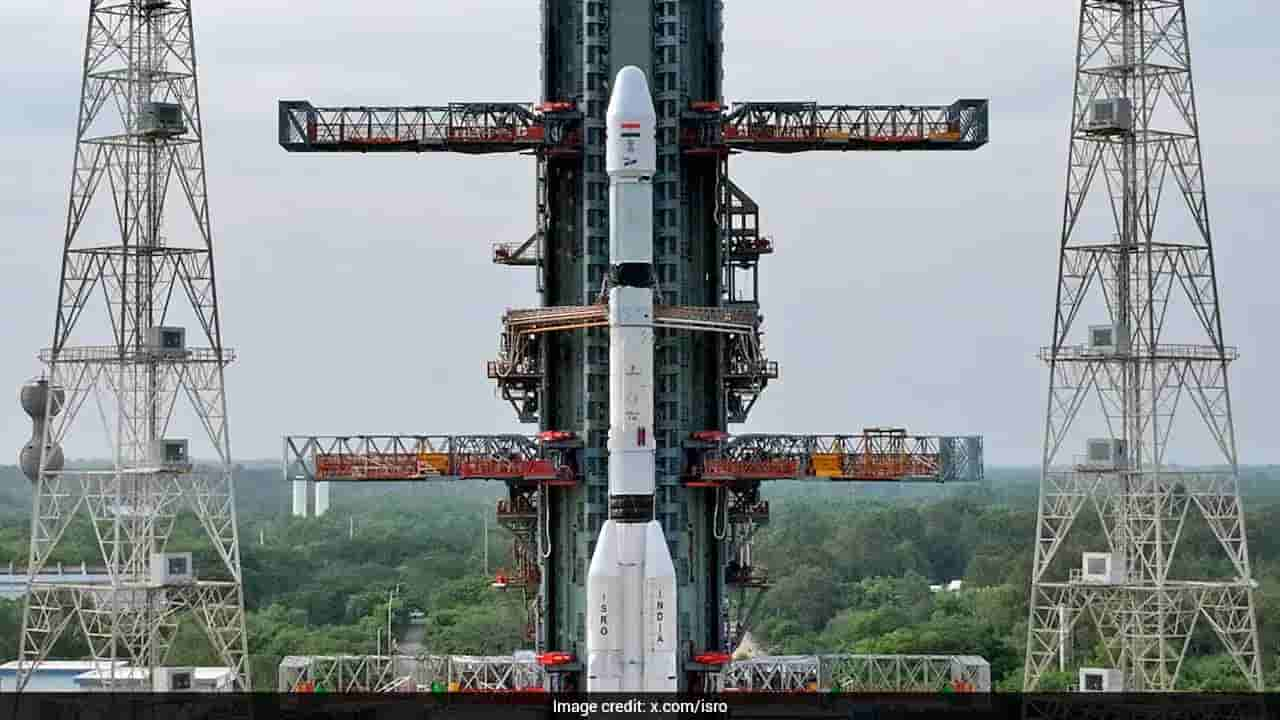
Picture courtesy of NDTV.com shows the next-generation satellite into Geosynchronous Transfer Orbit on the night of October 30, 2026.
With the ISRO GSLV-F18/launching the NVS-03 navigation satellite successfully last night ( October 30 2026), India has boosted its NavIC (Navigation with Indian Constellation) system and reduced reliance on foreign GPS networks.
At this moment, the Global Positioning System (GPS) is a space-based radio-navigation system owned, funded, and operated by the United States government (managed by the U.S. Space Force under the Department of Defense).
Now. NVS-03 acts as the critical fourth operational satellite needed to restore and maintain standalone positioning, navigation, and timing (PNT) services across India and up to 1,500 km beyond its borders.
It features a homegrown atomic clock developed by the Space Applications Centre alongside procured clocks, advancing India's technological self-reliance (Aatmanirbharta) in precision timing infrastructure.
• Smartphone and Wearable Compatibility: The addition of the L1 frequency band (alongside L5 and S bands) ensures direct compatibility with modern civilian consumer devices, smartphone chipsets, and wearable gadgets.
• Strategic and Defense Security: Provides encrypted, secure channels and independent positioning for military applications, missile guidance, warship coordination, and aviation without risk of foreign signal disruption or denial during geopolitical emergencies.
• Civilian and Infrastructure Applications: Supports real-time tracking for trains, shipping vessels, road vehicles, agriculture, fisheries, disaster management, and financial systems (banks and stock exchanges) requiring exact time synchronization.
• In a nutshell, it supports the “One Nation, One Time" project and the Modi government's push for a unified, highly accurate national timekeeping framework aligned with the Legal Metrology (Indian Standard Time) Rules.

If you value our journalism, consider making a voluntary contribution to help us continue bringing news, stories and information to our readers.
Scan the QR code to contribute
Every contribution, big or small, is appreciated.