
Administrator
17 December 2025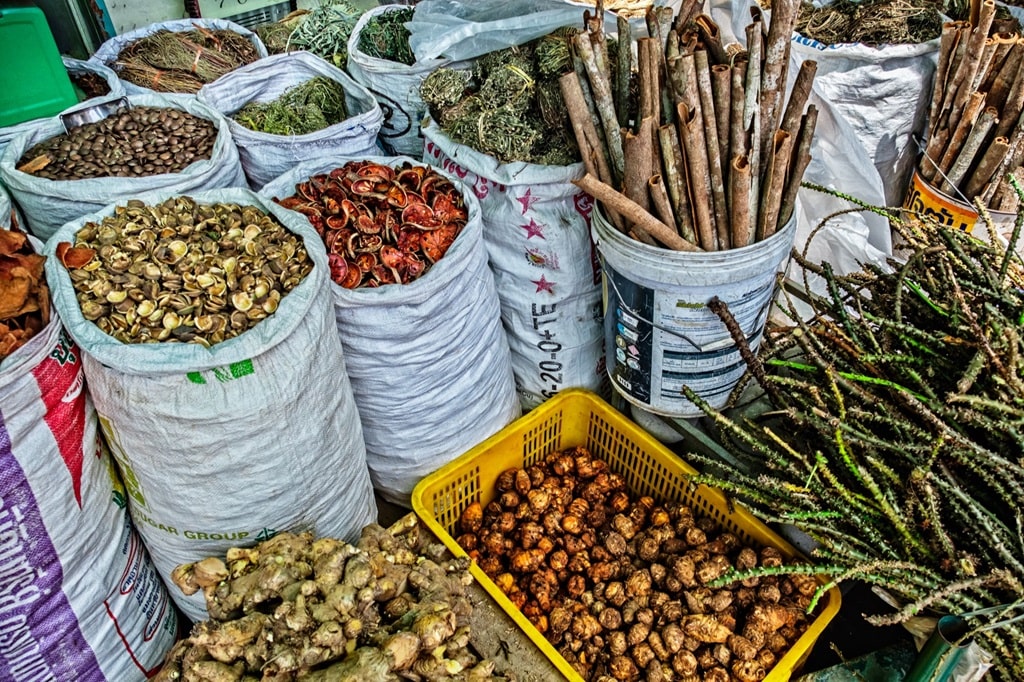
Key Takeaways
• India will host the 2nd WHO Global Summit on Traditional Medicine in New Delhi from 17–19 December 2025.
• The theme of the summit is “Restoring Balance for People and Planet: The Science and Practice of Well-Being.”
• The Summit will also see the launch of the WHO Traditional Medicine Global Library (TMGL). This is the world’s most comprehensive digital repository on traditional, complementary and integrative medicine with over 1.5 million records.
• There are 3,844 AYUSH hospitals, 36,848 dispensaries, 886 undergraduate and 251 postgraduate colleges, and more than 7.5 lakh registered practitioners in India
----
Traditional Medicine: Legacy & Present Relevance
Traditional medicine is one of the world's oldest holistic healing traditions. According to WHO, traditional, complementary and integrative medicine is used in 170 of its 194 Member States.
While countries like India, China and Japan have long established systems of traditional medicines, they are also widespread in Africa and the Americas with many countries recognizing and integrating them into their health systems.
In India, traditional medicine systems like Ayurveda, Siddha and Unani, hold profound cultural, health, and economic importance and have been deeply embedded in daily life for years.
They offer holistic, preventive and person-centred approaches to well-being. Under the Ministry of AYUSH, systems such as Ayurveda, Yoga & Naturopathy, Unani, Siddha, Sowa-Rigpa and Homoeopathy are formally recognised within India’s public-health framework and continue to be widely practised through national institutions, service networks and community traditions.
----
WHO Global Summit on Traditional Medicine
The World Health Organisation (WHO) acknowledges traditional, complementary and integrative medicine as a significant source of primary health care, valued for its cultural relevance, accessibility and personalised nature.
With rising interest in scientifically validated traditional practices, the WHO and regional health bodies increasingly view these systems as contributors to health equity, particularly in contexts where affordability and cultural familiarity shape healthcare choices.
The World Health Organization (WHO) organizes Traditional Medicine Global Summits to promote the evidence-based integration of traditional, complementary, and integrative medicine (TCIM) into global health systems.
The summits convene leaders, scientists, practitioners, and communities to build political commitment and share best practices on TCIM research, safety, quality control, and biodiversity conservation. The objectives are to:
• Strengthen the evidence base through research, innovation, and culturally appropriate studies.
• Support provision of safe, quality TCIM via robust regulatory mechanisms, standards, training, and ethical practices for practitioners and products.
• Integrate TCIM into national health systems, particularly primary care, using standardized documentation and models for people-centered care.
• Promote cross-sector partnerships, protect traditional knowledge, ensure biodiversity conservation, and respect Indigenous rights through coordinated efforts.
----
India’s longstanding expertise and institutional capacity in traditional medicine place it at the forefront of these global discussions. The first summit was held in Gujarat in 2023 in which methodologies for global research agendas were explored.