
Administrator
09 February 2026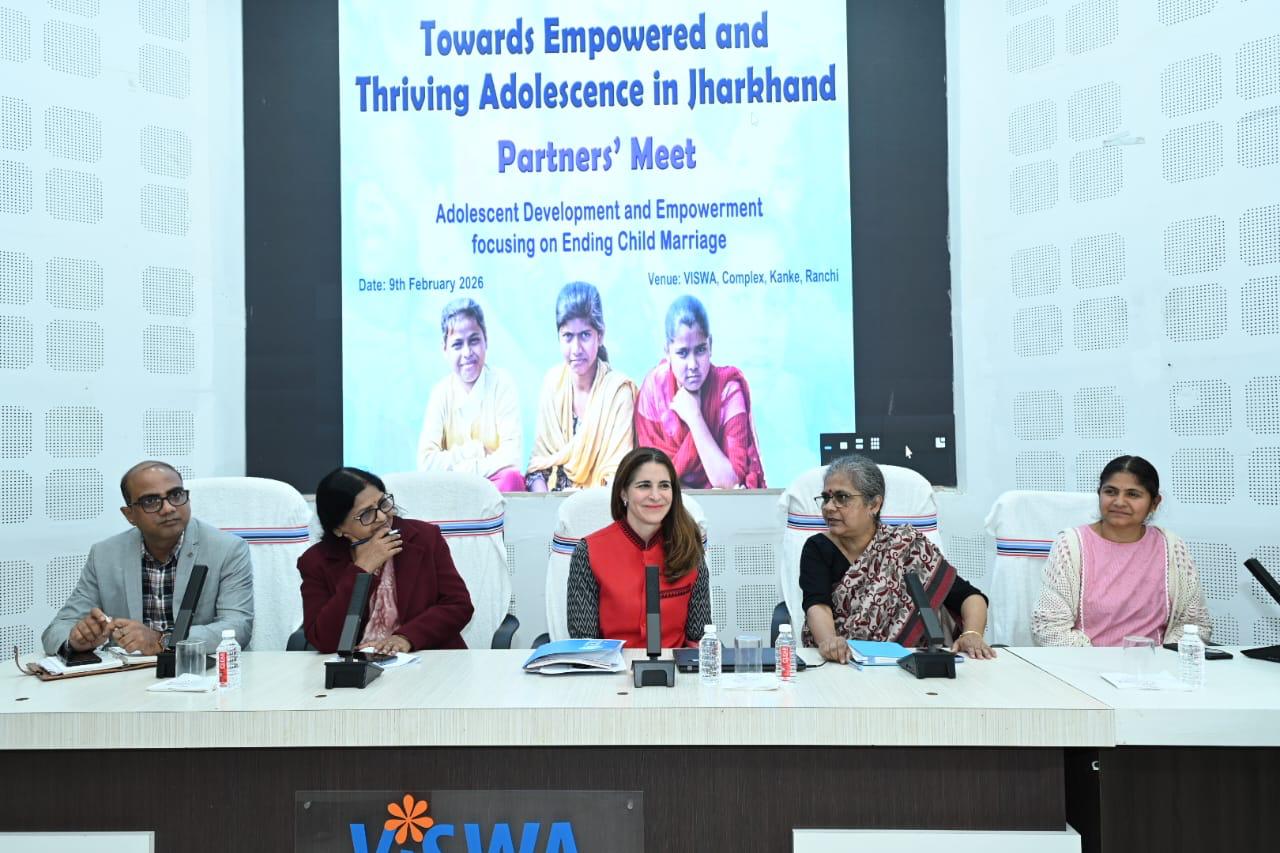
UNICEF Jharkhand organised today a Partners’ Consultation on Adolescent Development and Empowerment (ADE) with focus on ending child marriage at VISHWA Training Centre in Ranchi. The programme brought together representatives from the Government of Jharkhand, civil society organisations, child reporters and young people. The consultation aimed to strengthen collective action for improving the well-being and opportunities for adolescents across the state.
The consultation meeting was attended by Ms. Soledad Herrero, Chief of Field Services, UNICEF India, and Dr. Kaninika Mitra, Chief of Field Office, UNICEF Jharkhand. The meeting also saw the participation of Mr. Badal Raj, District Education Superintendent, Ranchi; Suvakanta Nayak and Purnima Mukherjee from the Jharkhand State Livelihood Promotion Society (JSLPS); representatives of various social organisations; and UNICEF specialists Priti Srivastava, Astha Alang, Joshila Pallapati and Parul Sharma.

Jharkhand is home to a large adolescent population, forming about 22 per cent of the total population. Adolescents in the state continue to face multiple challenges including anaemia, child marriage, school dropouts, teenage pregnancy, limited access to skills and livelihoods, and heightened risks related to trafficking, harmful practices and online and mental health concerns. Addressing these challenges through coordinated investments in education, health, nutrition, protection and empowerment is central to achieving sustainable human development in the state.
Dr. Kaninika Mitra, Chief of Field Office, UNICEF Jharkhand said, “The consultation underscored the Government of Jharkhand’s strong and multi-sectoral commitment to adolescent development and empowerment—from the convergent state action plan to end child marriage and district-level action plans, to initiatives that advance girls’ education, social protection, adolescent health and nutrition, school health and wellness, menstrual hygiene management, and meaningful adolescent participation through child reporters and youth collectives. UNICEF Jharkhand remains committed to supporting the Government in strengthening and scaling these efforts, expanding adolescent-centred services, social protection, and platforms that ensure adolescent voices shape policies and programmes that affect their lives.”
Emphasising the urgency of sustained and coordinated investments in adolescence, Ms. Soledad Herrero, Chief of Field Services, UNICEF India, said, “Adolescence is a critical window of opportunity. Investing in adolescent well-being, education, skills, mental health and protection—while decisively addressing harmful practices such as child marriage—can generate lasting social and economic returns. UNICEF remains committed to supporting the Government of Jharkhand and partners to place adolescents at the centre of policies, budgets and service delivery.”
She also highlighted the need to strengthen community engagement, promote adolescent participation in decision-making spaces and ensure equitable access to services for the most marginalised adolescents.
Addressing on this occasion, Ms. Kiran Kumari Pasi, Director, Jharkhand Women Development Society (JWDS), Government of Jharkhand, said, “Ending child marriage and ensuring that adolescents—especially girls—are able to complete their education and access quality health, protection and livelihood opportunities remains a top priority for the Government of Jharkhand. Through strong convergence across departments and districts, we are building an enabling ecosystem that allows adolescents to realise their full potential and advances our collective commitment to making Jharkhand a child marriage–free state.”
She further underlined the importance of partnerships with development agencies, civil society and communities in translating policies and schemes into measurable outcomes for adolescents, particularly those from tribal and hard-to-reach areas.
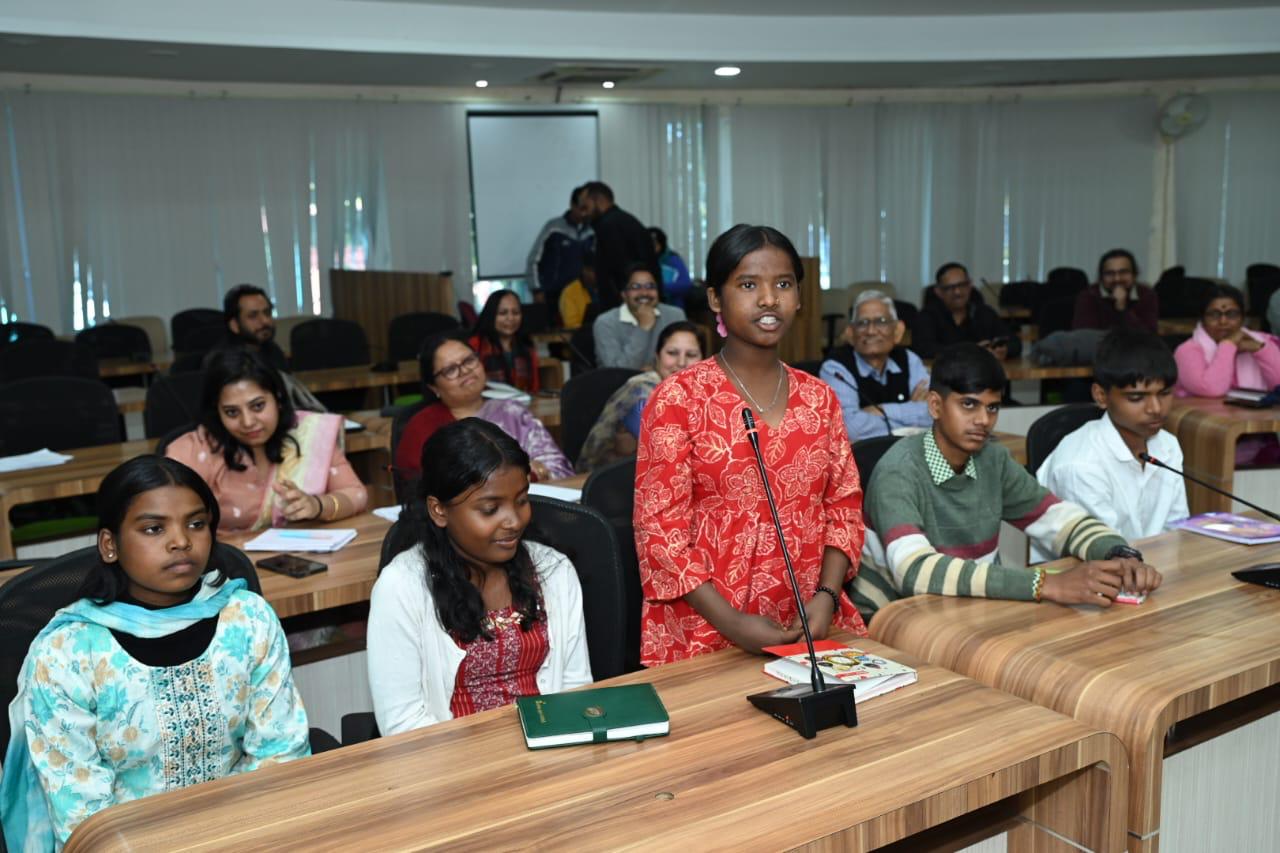
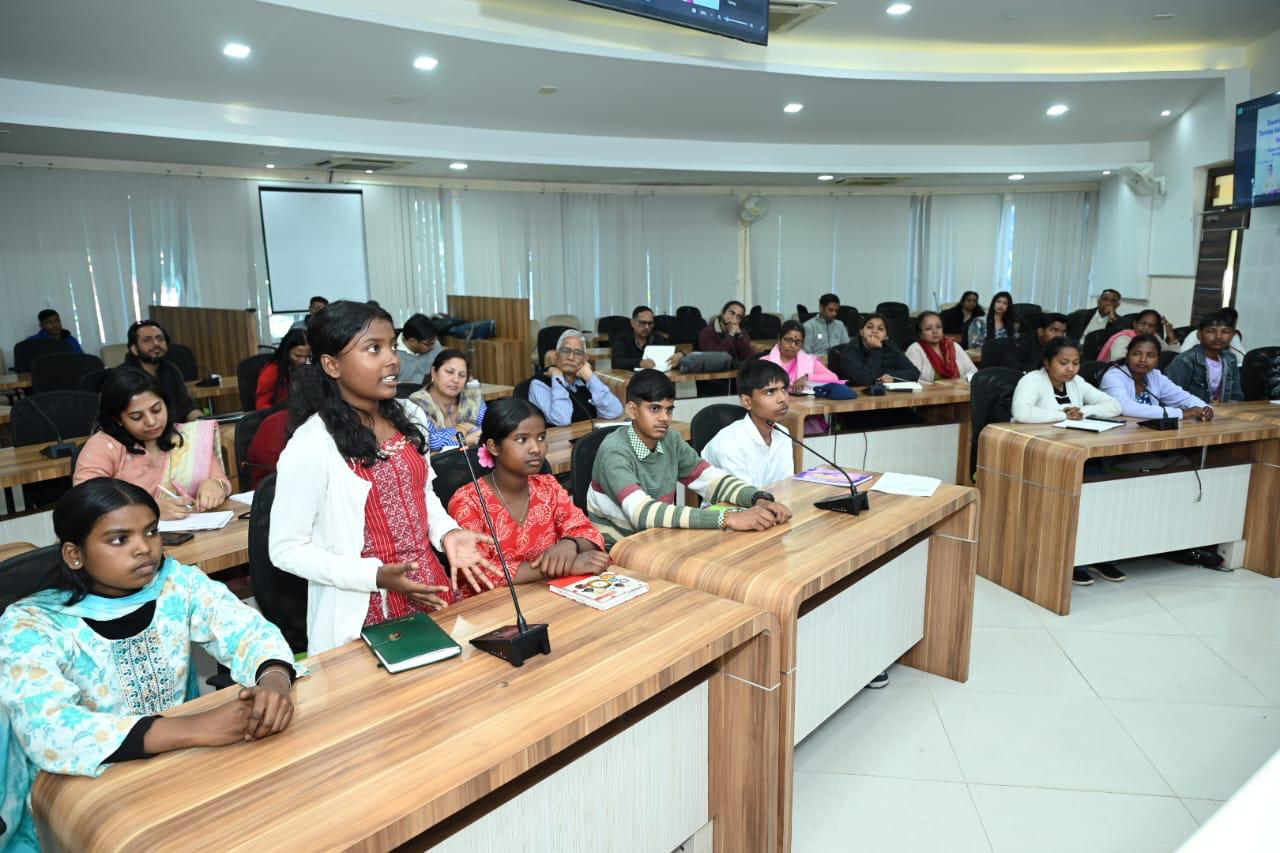
The Partners’ Consultation also provided a platform for child reporters and young changemakers to share their experiences and recommendations, and for government departments, civil society organisations, development partners to reflect on opportunities, challenges and collaborative actions required to accelerate progress on adolescent development and the goal of making Jharkhand child marriage–free by 2029.