
Administrator
11 April 2026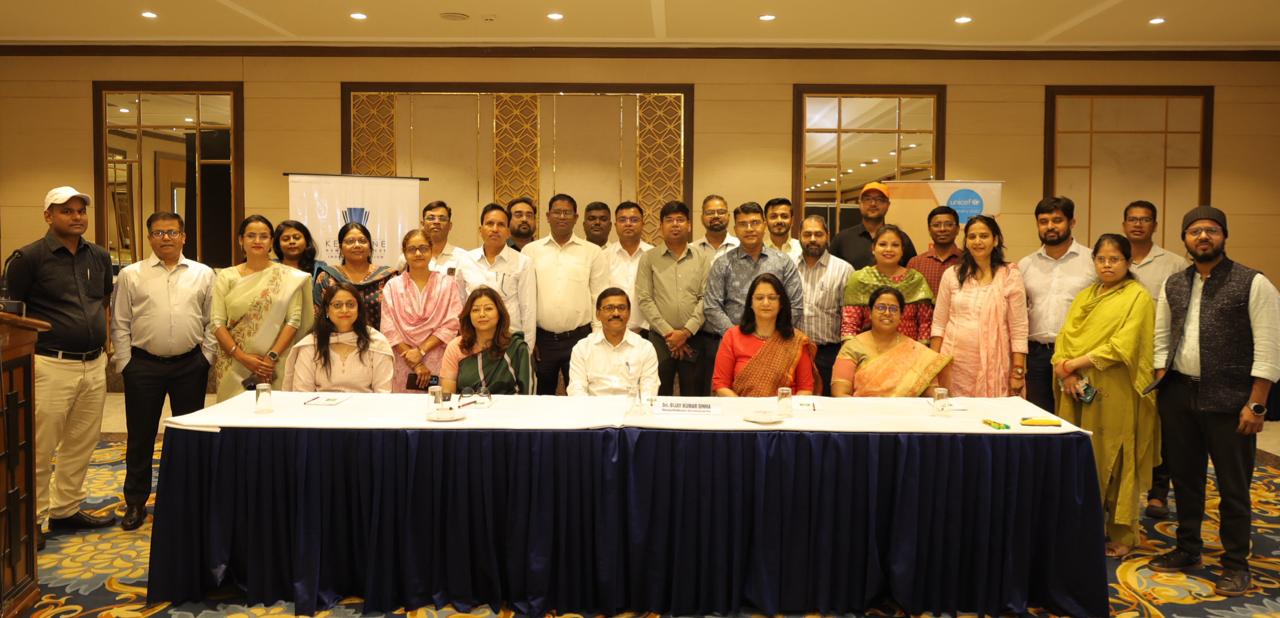
In a significant step towards strengthening child protection systems and promoting inclusive care, a three-day capacity-building training for Assistant Directors of Social Security (ADSS) on “Understanding Child Protection and Disability in the Context of Child Protection”, started from 11th April.
The program is being organised by Jharkhand State Child Protection Society DWCD&SS GoJ in collaboration with UNICEF Jharkhand and KHSIA.
Mr Bijay Sinha, Director of the Jharkhand State Child Protection Society (JSCPS) while addressing the participants mentionedidentify the gaps, develop plan and share with state government for effective implementation of Mission Vatslaya.
Dr Kaninika Mitra, Chief of Field Office, UNICEF, Jharkhandemphasized on the importance of sensitivity and timeliness while dealing with complex issues of child protection. She reiterated the importance of building capacities at the district level to ensure that no child is left behind. Inclusive child protection is not optional, it is essential.
Ms Priti Srivastava Child Protection Specialist UNICEF along with Ms Sangita Bhatia from KHSIA set the context and shared the objective of the three days training.
Over the course of three days, participants engaged in intensive sessions covering topics on child protection and JJ Act, Mission Vatsalya, Children with Disabilities in relation to Care and Protection, family-based care mechanisms such as foster care, sponsorship, and aftercare, child sexual abuse and POCSO Act, Child marriage and role of Child Marriage Prohibition Officers as per PCMA 2006.
Experts highlighted the importance of deinstitutionalization and strengthening family-based alternatives for children in need of care and protection. A strong focus was placed on disability inclusion in context of child protection. Sessions explored conceptual frameworks of disability, addressing myths and societal biases, and emphasized the shift from a purely medical model to a rights-based and social model of disability.
Special sessions addressed the intersection of disability and child protection, including types of disability, challenges faced by children with disabilities, practical guidance on language deprivation among deaf children, the importance of early identification, communication, importance of learning Indian sign language and inclusive education and identification, referrals, accessing entitlements such as the Unique Disability ID (UDID) card.
Participants were also introduced to child protection system strengthening benchmarking, disability-inclusive child protection case management tools under the Juvenile Justice system.
Ms Ritu Panda, expert from National Association of the Deaf Mr. Rakesh Kumar from ASTHA, Ms. Shabina Bano Director, KHS, Ms. Dorodi Sharma Director Inclusive Development and Engagement, KHS, Ms Sangita Bhati from KHSIA, Mr Sharad, JSCPS Consultant, Mr Gaurav NUNV Child Protection UNICEF Jharkhand, Ms Priti Srivastava Child Protection Specialist UNICEF Jharkhand were resource persons.
During the concluding session, Mr Vikas Deputy Secretary DWCD&SS GoJ emphaised on the importance of having time bound implementation of the program and monitoring of expenditure. He directed the districts officials to focus on increasing the coverage of foster care and after care in the districts.