Administrator
09 May 2026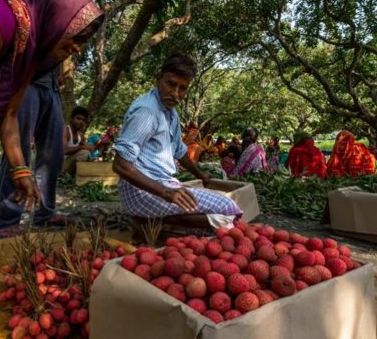
Representational Pic
The Centre has constituted a task force of experts to visit Bihar and assess damage to litchi crops caused by any natural attack, says Union Agriculture Minister Shivraj Singh.
In fact, a 2026 study published in the New Zealand Journal of Crop and Horticultural Science confirmed what Bihar's farmers have known for years.
Climate change interferes with the genes that regulate litchi flowering, disrupts the hormones essential for fruit retention, and compromises the three vegetative flushes, which are bursts of new leaf and shoot growth that litchi trees must complete in sequence before they can fruit.
When any one flush is disrupted by temperature or rainfall extremes, the whole cycle fails. The result is smaller fruit, less sugar, reduced anthocyanin content, which is the pigment that gives litchi its vivid red skin, and thinner pulp.
The litchi may arrive on your plate this summer. But it may not taste the way you remember.
The task force set up by the Agriculture Ministry, following complaints from litchi farmers in Bihar about crop damage attributed to the litchi stink bug, will have a team of experts.
The team will visit affected areas, evaluate the extent of damage, and recommend both immediate and long-term measures for farmer relief.
"The team will finally submit a detailed report within a week so that effective action can be ensured in a timely manner," Chouhan posted on X.
The task force will also advise on necessary interventions at both the state and central levels, the minister said, adding that the government is working "with complete sensitivity and commitment" to protect farmers' interests.
Bihar is India's leading litchi-producing state. Muzaffarpur's Shahi litchi, among the most prized varieties in the country, received a Geographical Indication tag in 2018.
If you value our journalism, consider making a voluntary contribution to help us continue bringing news, stories and information to our readers.
Scan the QR code to contribute

Every contribution, big or small, is appreciated.