Administrator
30 June 2026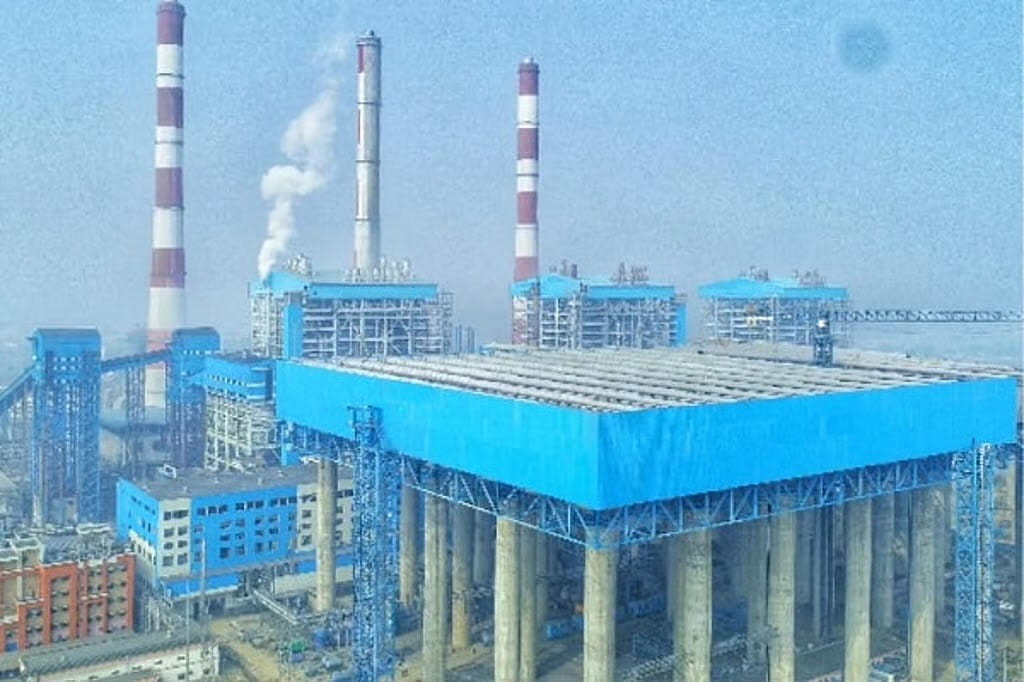
Power cuts in the capital city of Jharkhand are a daily feature. Atleast, two - three hours of electricity disruption during the day and night has been a cause of concern for many domestic and commercial consumers across the state.
However, the power cuts are not due to a shortage of electricity in the state, which officially transitioned into a power-surplus state in June 2026.
The power surplus status was the result of the launch of the second 800 MW supercritical unit at the Patratu Vidyut Utpadan Nigam Limited (PVUNL) super-thermal power plant.
Then, the question that arises is this. Why are there power cuts? The answer lies in the non-payment of bills on time by the state government to power-producing companies. This caused a shortage in supply, leading to power cuts.
However, here are key highlights of the State of Jharkhand’s transition to power surplus status:
The state now holds an electricity surplus of nearly 600 MW, supposed to boost industrial growth and regional self-reliance.
Plant Ownership: PVUNL is a collaborative joint venture between NTPC (74% stake) and the state discom Jharkhand Bijli Vitran Nigam Limited (26% stake).
Capacity Details: The newly launched second unit adds 800 MW of capacity, mirroring the first 800 MW unit launched back in November 2025.
State Grid Allocation: Jharkhand receives an 85% allocation (about 680 MW) from each unit, channeling a massive 1,360 MW directly into the state grid from the Patratu project alone.
Overall Demand vs. Supply: The state's average electricity demand hovers around 3,000 MW, whereas total availability has surged to approximately 3,885 MW.
Future Expansion: The project ultimately targets a massive 4,000 MW capacity across two development phases. The first phase includes three 800 MW units, with the third expected to go online in the coming months.
If you value our journalism, consider making a voluntary contribution to help us continue bringing news, stories and information to our readers.
Scan the QR code to contribute

Every contribution, big or small, is appreciated.