Administrator
10 November 2026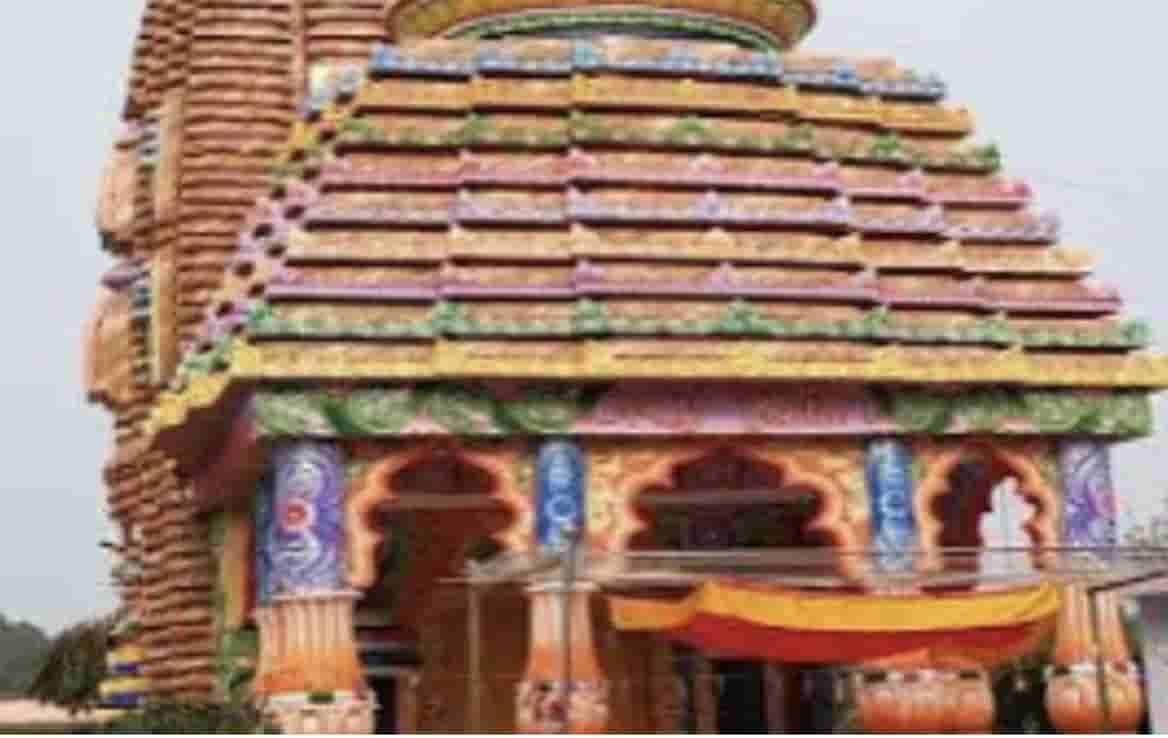
*Kharsawan's historic Padampur temple in Jharkhand
For nearly thirteen decades, the sacred rhythms of Tantric worship have drawn devotees to Kharsawan's historic Padampur temple. As the six-day Kali Mela brings together people from three states, the centuries-old tradition continues to connect faith, community and cultural heritage.This is despite little efforts by the Jharkhand State Tourism Department.
A LEGACY ROOTED IN 1897
Jharkhand's Old Padampur Kali Temple in Kharsawanha keeps Tantrik Rituals Alive
The historic Padampur (Telasahi) Kali temple in Kharsawanhas begun its annual worship of Goddess Kali, following traditional Tantric rituals that have remained uninterrupted since 1897. The 129-year-old tradition makes the temple one of the prominent centres of faith in the Kolhan region.
The worship commenced on Sunday night with prescribed rituals. A grand idol of Goddess Kali has been installed, while decorative arrangements and special illumination have transformed the temple परिसर into a vibrant place of devotion.
SIX DAYS OF FAITH AND COMMUNITY PARTICIPATION
Following the main worship, the six-day Kali Mela began on November 9 and will continue until November 14. The annual gathering attracts devotees from across Jharkhand as well as neighbouring Odisha and West Bengal. An estimated 70,000–80,000 devotees are expected to visit this year.
The festivities will conclude on November 14, when the idol will be immersed at 4 pm following traditional Tantric rituals.
WHEN TRADITION BECOMES A SHARED RESPONSIBILITY
Padampur's annual celebration demonstrates how religious traditions can sustain a region's collective identity across generations. Its significance lies not merely in the longevity of its rituals, but also in the continued participation of communities across geographical boundaries.
PRESERVING FAITH, STRENGTHENING COMMUNITY
As Padampur welcomes thousands of devotees, the occasion is a reminder that cultural heritage survives through collective commitment. Preserving such traditions while ensuring peaceful, organised and inclusive celebrations can help keep the region's living heritage meaningful for generations to come.
If you value our journalism, consider making a voluntary contribution to help us continue bringing news, stories and information to our readers.
Scan the QR code to contribute

Every contribution, big or small, is appreciated.