Administrator
13 November 2026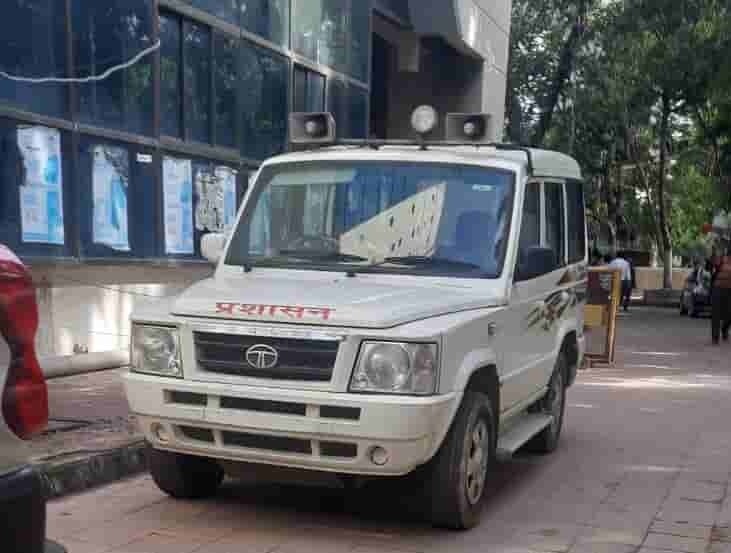
*Watch Number Plate -Free Vehicles of the Jharkhand Government Authorities.
When the authorities responsible for enforcing road regulations are themselves questioned over compliance, the issue extends beyond administrative lapses to the credibility of governance. Jharkhand Chief Minister Hemant Soren may not be aware of this legal break on roads and highways.
A Jharkhand High Court proceeding, a government affidavit and photographic evidence from the Ranchi Deputy Commissioner's office complex have brought an uncomfortable question into focus: does the law apply equally to those entrusted with enforcing it?
A PIL PUTS GOVERNMENT VEHICLES UNDER SCRUTINY
The matter originated with a Public Interest Litigation filed by Ravi Kumar Verma, who sought an explanation from the state government over alleged violations of the Motor Vehicles Act, 1988. His petition claimed that thousands of government vehicles were operating on public roads without registration number plates, seeking judicial intervention to ensure compliance.
Following the High Court's notice, Sanjay Kumar Sinha, Under Secretary, Transport Department, filed a counter-affidavit on January 6, 2021, denying that any government vehicle was plying without a number plate.

COURT DISPOSES OF THE PETITION
On November 5, 2026, a division bench comprising Chief Justice M.S. Sonak and Justice Manoj Prasad disposed of the PIL without imposing costs. The court's disposal did not amount to an independent verification of the alleged violations or a blanket exemption from statutory requirements.
PHOTOGRAPHS RAISE FRESH QUESTIONS
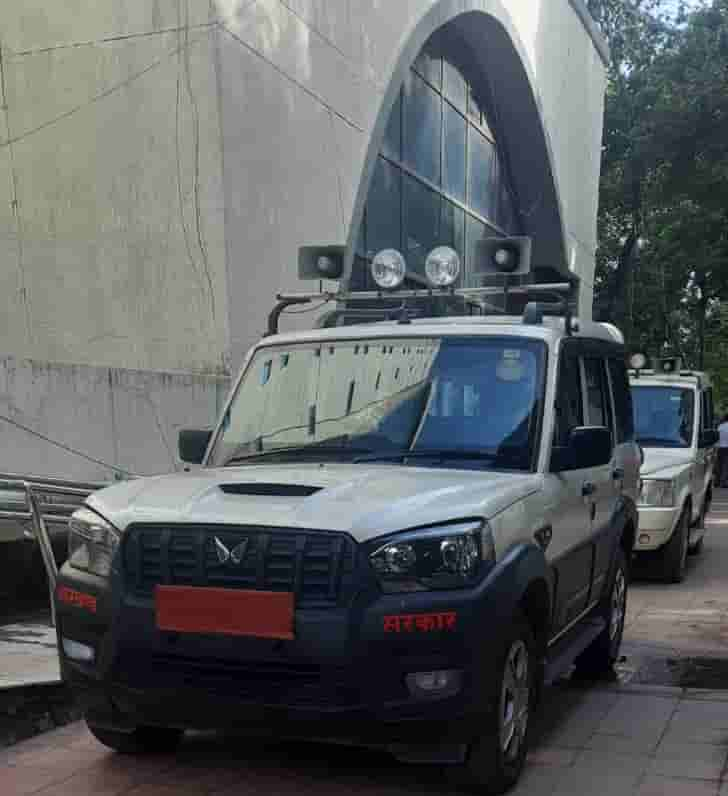
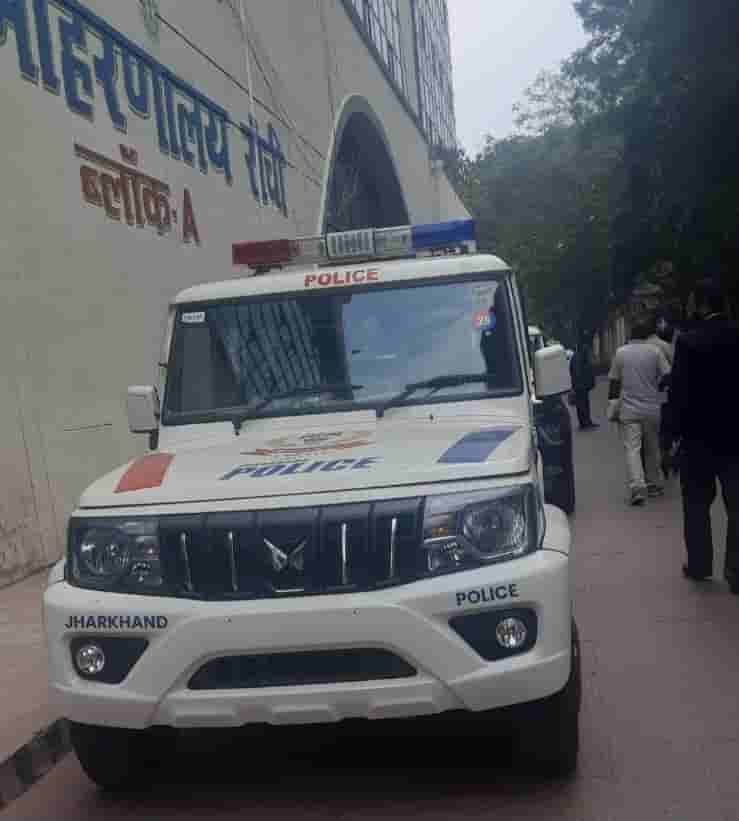
An investigation by photographers of JharkhandStateNews.com claims to have found vehicles without displayed registration plates parked inside the Ranchi Deputy Commissioner's office complex. Photographs accompanying the report appear to contradict the categorical denial in the government's affidavit, warranting clarification from the concerned authorities.
THE LAW MUST BEGIN AT HOME
Section 39 of the Motor Vehicles Act makes registration and display of prescribed registration marks mandatory for vehicles used in public places.
The credibility of law enforcement rests on equal compliance, not official position. If the reported violations are established, responsibility must be fixed and corrective action taken. Those entrusted with upholding the law must demonstrate that they are equally accountable to it.
If you value our journalism, consider making a voluntary contribution to help us continue bringing news, stories and information to our readers.
Scan the QR code to contribute

Every contribution, big or small, is appreciated.