Administrator
18 November 2026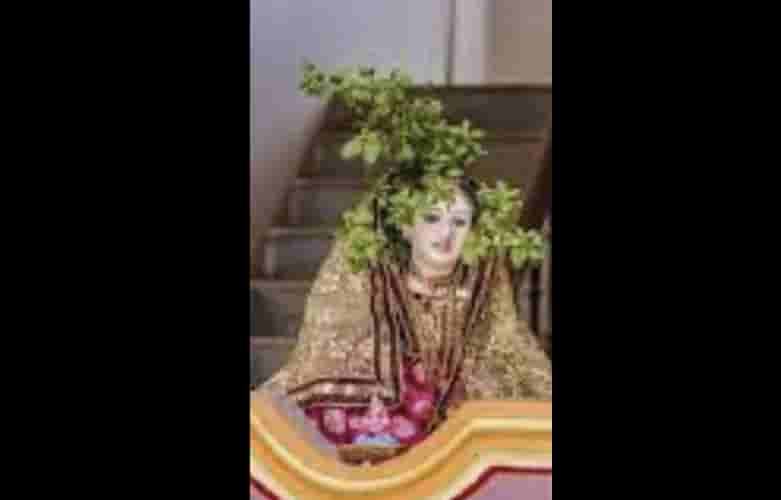
Representational Pic
A week after Chhath, the house switches to Vishnu.On Dev Uthani Ekadashi, many families wake the Lord with songs, a diya at the tulsi and an aarti.
The four- day Chhath puja concluded on Sunday ( November 16,2026) holds a distinctive place among Indian festivals for its worship of both the setting and rising Sun. Its observances bring together generations, communities and families through shared discipline, traditional folk songs and collective participation.
The message of Chhath: The cloud-covered sunrise did not diminish the significance of the occasion. Instead, it reflected the essence of Chhath: devotion accompanied by patience, humility and gratitude towards nature.
Beyond the rituals, Chhath offers a lasting lesson in respecting the natural forces that sustain life. Its true spirit lives on when faith translates into environmental responsibility, community harmony and gratitude for the resources we often take for granted.
Now the Hindu devotees are headed for the Tulsi( Ocimum tenuiflorum plant) Vivah Puja on November 20-21.
Tulsi is a revered medicinal herb in Ayurveda known as the "Queen of the Herbs" and "The Elixir of Life" - Vivah.
Vivah means the tulsi plant pot becomes a bride under a mandap of sugarcane, and on the occasion, the aarti most homes sing is “Jai Jai Tulsi Mata”.
Tulasi Vivaha, also called Tulasi Kalyanam, is a Hindu ritual, in which a symbolic ceremonial wedding takes place between a tulasi plant or holy basil and a shaligrama or an amla branch. Tulasi Vivaha signifies the end of the monsoon, and the beginning of the wedding season in Hinduism.
If you value our journalism, consider making a voluntary contribution to help us continue bringing news, stories and information to our readers.
Scan the QR code to contribute

Every contribution, big or small, is appreciated.