Administrator
26 November 2026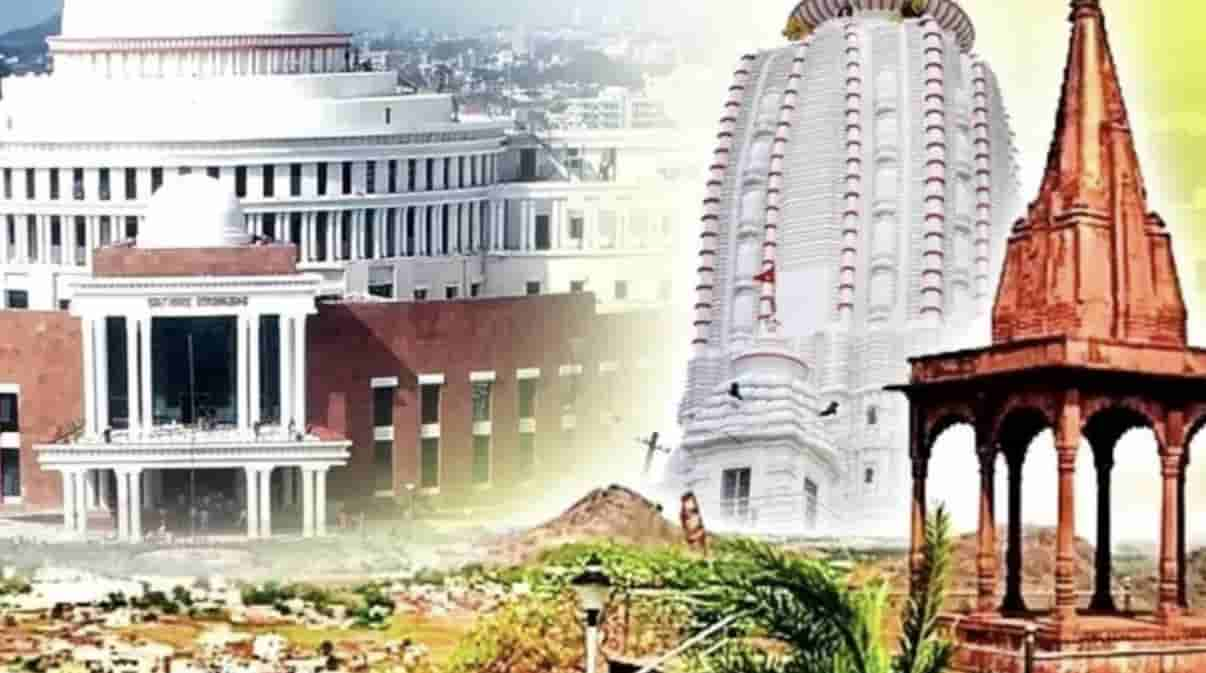
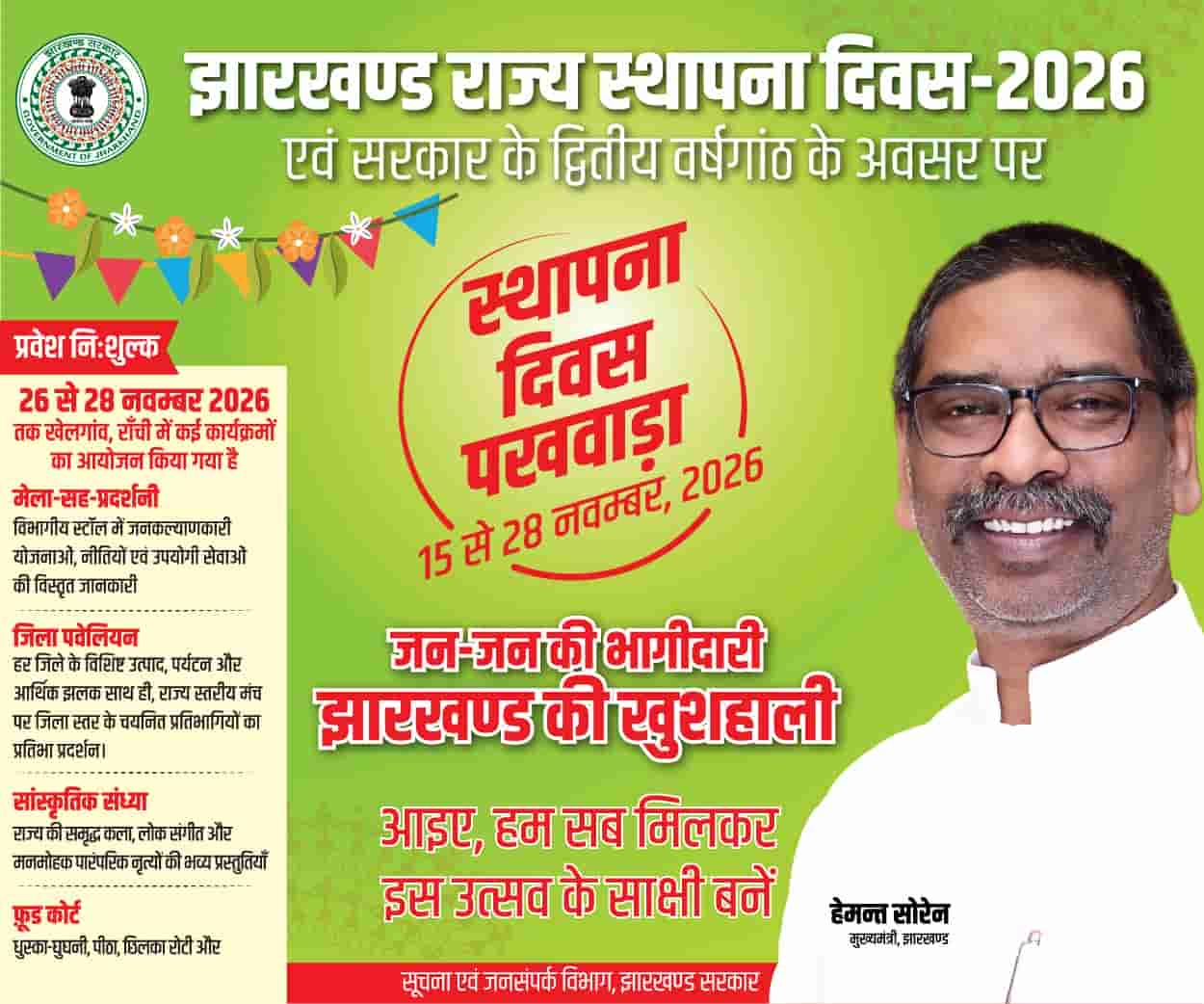
The decision to defer the main Jharkhand Foundation Day programmes scheduled for 15 November has sparked a fresh wave of protest among tribal and movement-based organisations. For them, the date carries significance beyond an official celebration: it commemorates the struggle, sacrifices and aspirations behind the creation of the state, alongside the birth anniversary of Bhagwan Birsa Munda.
PROTEST OVER HISTORICAL RECOGNITION
Tribal organisations call statewide Jharkhand Bandh on November 28 over Foundation Day controversy
Various tribal organisations have called a statewide bandh on 28 November, alleging that postponing the main Foundation Day programmes and failing to accord due recognition to Birsa Munda’s birth anniversary amounted to disregard for Jharkhand’s identity and history.
Leaders including Sita Kachhap, Akash Tirkey, Vivek Tirkey and Rahul Tirkey said the formation of Jharkhand was the outcome of a prolonged movement involving the sacrifice of thousands of activists. They maintain that the significance of 15 November must be respected and not reduced to a matter of administrative convenience.
TORCHLIGHT MARCH AND MOBILISATION
As part of the mobilisation, a torchlight procession was announced in Ranchi for 25 November, beginning near Jaipal Singh Stadium and proceeding through prominent city routes towards Albert Ekka Chowk. The march was intended to register opposition and appeal to residents, traders and social organisations to support the bandh. However, a separate report said the proposed procession was stopped before it began, with two activists detained by police.
RESPECTING HISTORY, PROTECTING PUBLIC LIFE
The organisations have appealed for public participation. The precise impact of the proposed bandh on transport, markets, educational institutions and essential services has not been officially clarified.
A STATE’S IDENTITY DESERVES DIALOGUE
The concerns surrounding historical recognition merit serious engagement. At the same time, any protest must respect public safety and ensure that essential services and citizens are not put at risk. The spirit of Jharkhand’s statehood lies in recognising its people, history and aspirations through dialogue, dignity and democratic expression.
If you value our journalism, consider making a voluntary contribution to help us continue bringing news, stories and information to our readers.
Scan the QR code to contribute

Every contribution, big or small, is appreciated.