Administrator
09 June 2026
Every pregnancy carries hope—not only for the family but also for the future of a community and the nation. Ensuring a safe pregnancy and healthy childbirth is therefore fundamental to both public health and human development. Yet pregnancy also involves risks that, if not identified and managed in time, may endanger the lives of both mother and child. Maternal health remains one of the clearest indicators of the strength and inclusiveness of a country's healthcare system.
Before the launch of Pradhan Mantri Surakshit Matritva Abhiyaan (PMSMA), maternal mortality remained a major public health challenge. During 2014–16, India’s Maternal Mortality Ratio (MMR) stood at 130 per lakhlive births.
The situation underscored the urgent need to strengthen maternal healthcare services across the country. Additionally, India had committed itself to achieving the Sustainable Development Goal (SDG) target of reducing maternal mortality to below 70 per 100,000 live births by 2030. Maternal health was also identified as a key priority under the National Health Policy, 2017, reinforcing the need for focused and sustained interventions. It was against this backdrop that the Government launched the Pradhan Mantri Surakshit Matritva Abhiyaan (PMSMA) in 2016.
Pradhan Mantri Surakshit Matritva Abhiyaan (PMSMA)
Launched on June 9, 2016, PMSMA provides free, comprehensive antenatal care to pregnant women — particularly those in their second and third trimesters — at designated government health facilities on the 9th of every month. The programme aims to ensure early risk detection, timely medical intervention, and safer pregnancies for every woman in India, regardless of where she lives.
The service package of PMSMA includes clinical examinations, laboratory investigations (blood and urine tests), ultrasonography, medicines, and counselling on nutrition, birth planning, and safe pregnancy practices. Key features include:
|
25 High-Risk Pregnancy (HRP) categories: HIV, syphilis, severe anaemia, pregnancy-induced hypertension, gestational diabetes mellitus, hypothyroidism, tuberculosis, malaria, previous lower segment caesarean section (LSCS), cephalo-pelvic disproportion, bad obstetric history, twins or multiple pregnancy, Hepatitis B, abnormal fetal heart rate, teenage pregnancy, high fever, reproductive tract infections/sexually transmitted infections (RTI/STI), history of stillbirth, congenital malformation, negative blood group, early primi (first pregnancy at a young age), elderly primi (first pregnancy at advanced age), grand multipara, short stature, and other specified medical or obstetric conditions. |

A sticker indicating the condition and risk factor of pregnant women are added onto Mother and Child Protection cards for each visit:
|
Who Can Access PMSMA Services:
|
The Doctor Volunteer System
The program actively welcomes OB-GYN specialists, radiologists, and physicians from the private sector to volunteer their time on the 9th of every month. The Prime Minister himself called on doctors to dedicate just 12 days a year to this cause during a 'Mann Ki Baat' address. Doctors can register through the official PMSMA portal . Volunteers are recognised through the IPledgeFor9' Achievers Awards for their contributions.
Expanding Reach Across India


What began as a targeted maternal health intervention has grown into a nationwide movement. Since its launch, PMSMA has steadily expanded its reach across districts, health facilities, and communities.
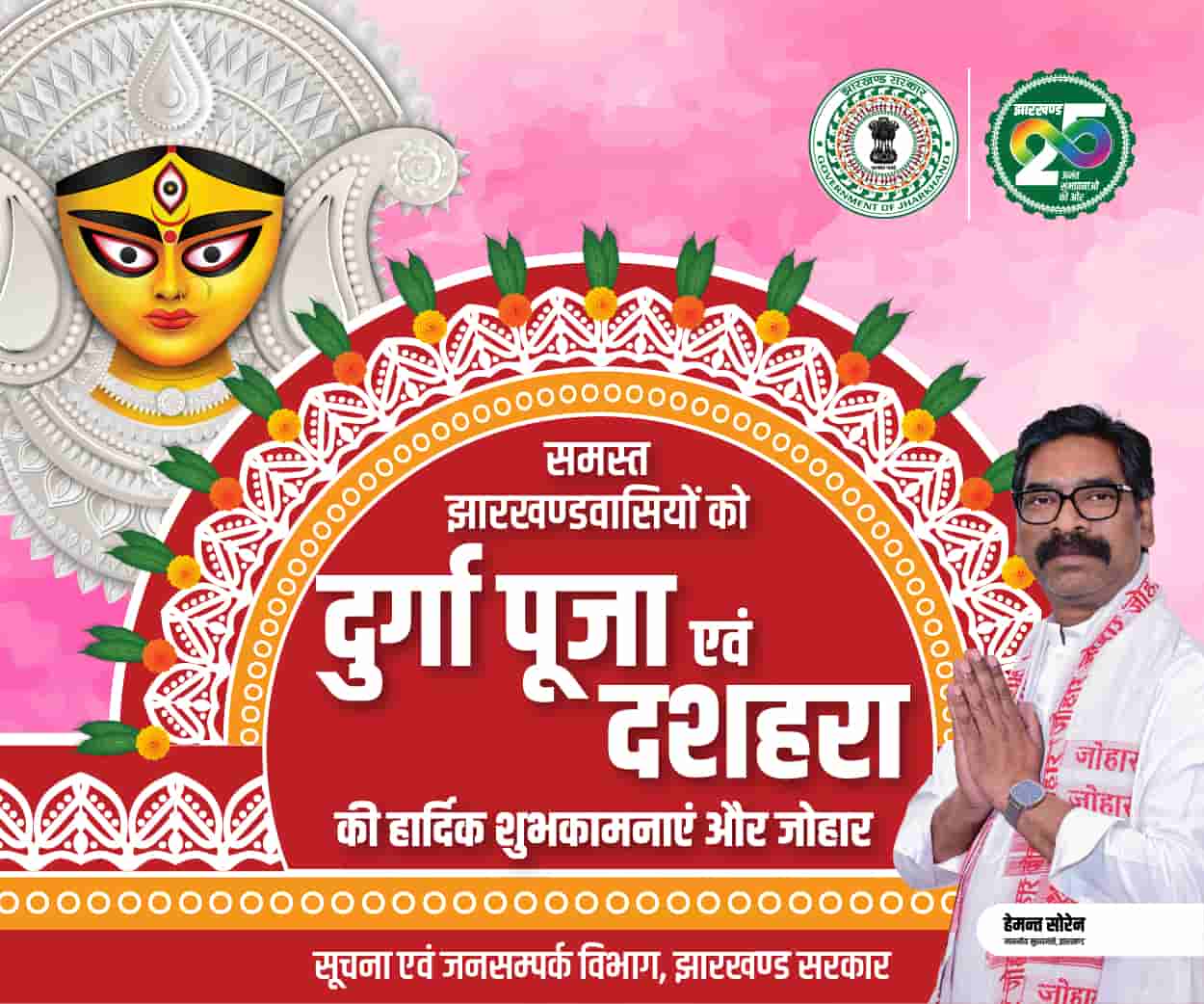
Notably, India achieved a 43 points reduction in Maternal Mortality Ratio, bringing it down from 130 to 87 maternal deaths per lakh live births between 2014–16 and 2022–24.
Extended PMSMA: Strengthening Follow-Up Care

Recognising that identifying high-risk pregnancies is only the first step, the Government launched the Extended PMSMA Strategy in January 2022 to strengthen follow-up care. The initiative ensures that women identified as high-risk receive additional antenatal check-ups, continuous monitoring and timely medical support throughout pregnancy. Every high-risk pregnancy is individually tracked until a safe delivery is achieved. While, financial incentives support both the beneficiary and the accompanying Accredited Social Health Activist (ASHA) worker for up to three additional visits. SMS alerts are sent to the beneficiary as well as to the ASHA worker for registration of HRP & follow-up visits.
Working Alongside Other Maternal Health Initiatives
PMSMA does not operate in isolation. It forms part of a larger ecosystem of maternal and child health programmes implemented by the Government.
Together, these programmes create a comprehensive framework for maternal and newborn health.
Celebrating 10 Years of PMSMA
The Government is commemorating 10 years of PMSMA through:
• Ayushman Arogya Shivirs at 1.8 lakh Ayushman Aarogya Mandirs: Quality antenatal care (ANC) services are being provided at 1.8 lakh Ayushman Aarogya Mandirs in the country.
•Community Awareness programmes are being organised through Village Health Sanitation and Nutrition Day (VHSND), Jan Arogya Samiti (JAS) and Self-Help Groups (SHGs).
• Special PMSMA Session are being held at all District Hospitals / Sub-District Hospitals /First Referral Units (FRU) and other designated PMSMA facilities.
Ten Years, Looking Ahead
Over the past decade, the Pradhan Mantri Surakshit Matritva Abhiyaan has transformed the delivery of antenatal care in India. Quality maternal healthcare is now more accessible, systematic and responsive.
Through early identification of high-risk pregnancies, regular monitoring, and timely medical intervention, the programme has helped strengthen maternal healthcare services across the country and contributed to improved health outcomes for mothers and newborns alike.
PMSMA has demonstrated that when quality healthcare reaches women at the right time, it saves lives, prevents complications and creates healthier beginnings for families and future generations.
As India marches towards Viksit Bharat@2047, PMSMA will continue to transform the maternal healthcare landscape by ensuring that every pregnancy is safer and every mother receives the care she deserves.
The remarkable decline in the Maternal Mortality Ratio from 130 to 87 over the past decade demonstrates how focused interventions can save thousands of lives. With continued commitment and collective action, PMSMA can help usher in an era where no woman loses her life while giving life, strengthening the foundations of a healthier and more prosperous India.
If you value our journalism, consider making a voluntary contribution to help us continue bringing news, stories and information to our readers.
Scan the QR code to contribute

Every contribution, big or small, is appreciated.