Administrator
26 August 2025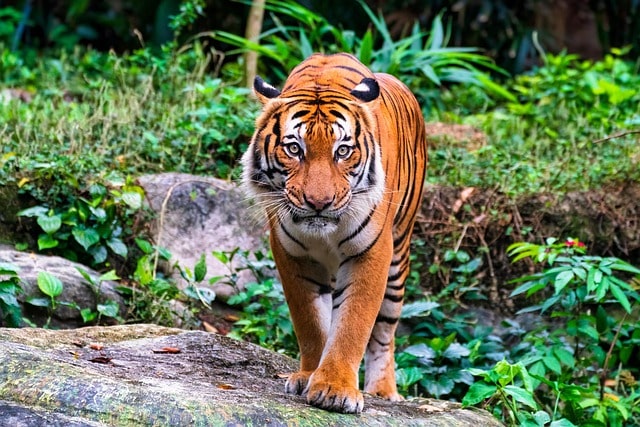
At least 33% of a country's geographical area under forest cover is ideal for maintaining ecological balance and environmental stability. This goal, established by India's National Forest Policy, is intended to stabilize carbon, prevent irregular rainfall and floods, and preserve biodiversity.
However, in Jharkhand,it is less than 28 percent,far below 33 percent green cover. And, if the report tabled by the Comptroller and Auditor General ( CAG) during the ongoing session of the state assembly on Monday is of any indication, “forest land with tree cover decreased by 2.6 percent between 2017 and 2021.
Not the least, the vacant forest land increased by 13.51 percent during this period. Also, areas under construction increased by 22.35 percent, the CAG report said.
The official data evaluation by the CAG showed no rise in wildlife population. Reason? Lack of grazing, prey bases and poaching as well, notes the CAG report.
Notably, Palamau Tiger Reserve has witnessed the disappearance of big cats. During 2000-2005, the number of tigers was between 34 and 46. In 2022, the number of tigers has come down to 1, the CAG report said.
Whether this lonely Tiger is still alive in Palamau Tiger Reserve appears to be doubtful.
If you value our journalism, consider making a voluntary contribution to help us continue bringing news, stories and information to our readers.
Scan the QR code to contribute

Every contribution, big or small, is appreciated.