Administrator
21 March 2026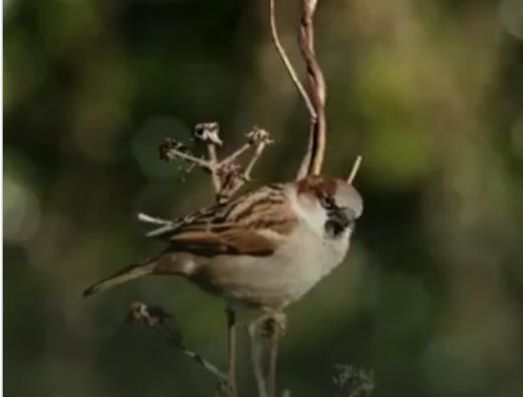
Memories of a chirping sparrow of the house are still alive. This perpetually cheerful bird,once a common sound in every household, is now past, raising serious environmental concerns.
Known for its “chirp-chirp” call that adds vibrancy to mornings, the presence of the bird is often considered an indicator of a healthy and lively ecosystem.
Now, observed every year on March 20, World Sparrow Day aims to spread awareness about the conservation of house sparrows.
The initiative was launched in 2010 by the Nature Forever Society of India in collaboration with the Eco-Sys Action Foundation, and has since gained global recognition.
Experts say the sparrow population has witnessed a sharp decline over the years due to rapid urbanisation, increasing use of concrete structures, radiation from mobile towers, and shrinking food sources. The widespread use of pesticides in agriculture has further disrupted their food chain.
Once a regular sight in urban as well as rural courtyards, sparrows have nearly disappeared, especially in urban areas, while a limited presence is still observed in rural areas in Jharkhand.

Traditionally nesting in thatched houses, the birds have been forced to shift habitats due to the decline of such structures, often caused by recurring cyclones, climate change and changing housing patterns.
House sparrows primarily feed on grains such as paddy, rice, and wheat, along with small insects, playing a crucial role in maintaining ecological balance and protecting crops.
Aware of it, Bhupender Yadav,the Minister of Environment, Forest and Climate Change since 2024, has posted a message with video showing a lively sparrow stating this.
“On WorldSparrowDay, let us pause to cherish the chirpy sparrows that fill our mornings with joy and remind us of nature’s delicate balance.
Once a common sight, their dwindling numbers call for urgent, collective action. By placing water bowls, planting native trees, and creating safe nesting spaces, each of us can make a meaningful difference.
Let us renew our pledge to protect their habitats and ensure these tiny companions continue to thrive for generations to come.”