Administrator
25 June 2026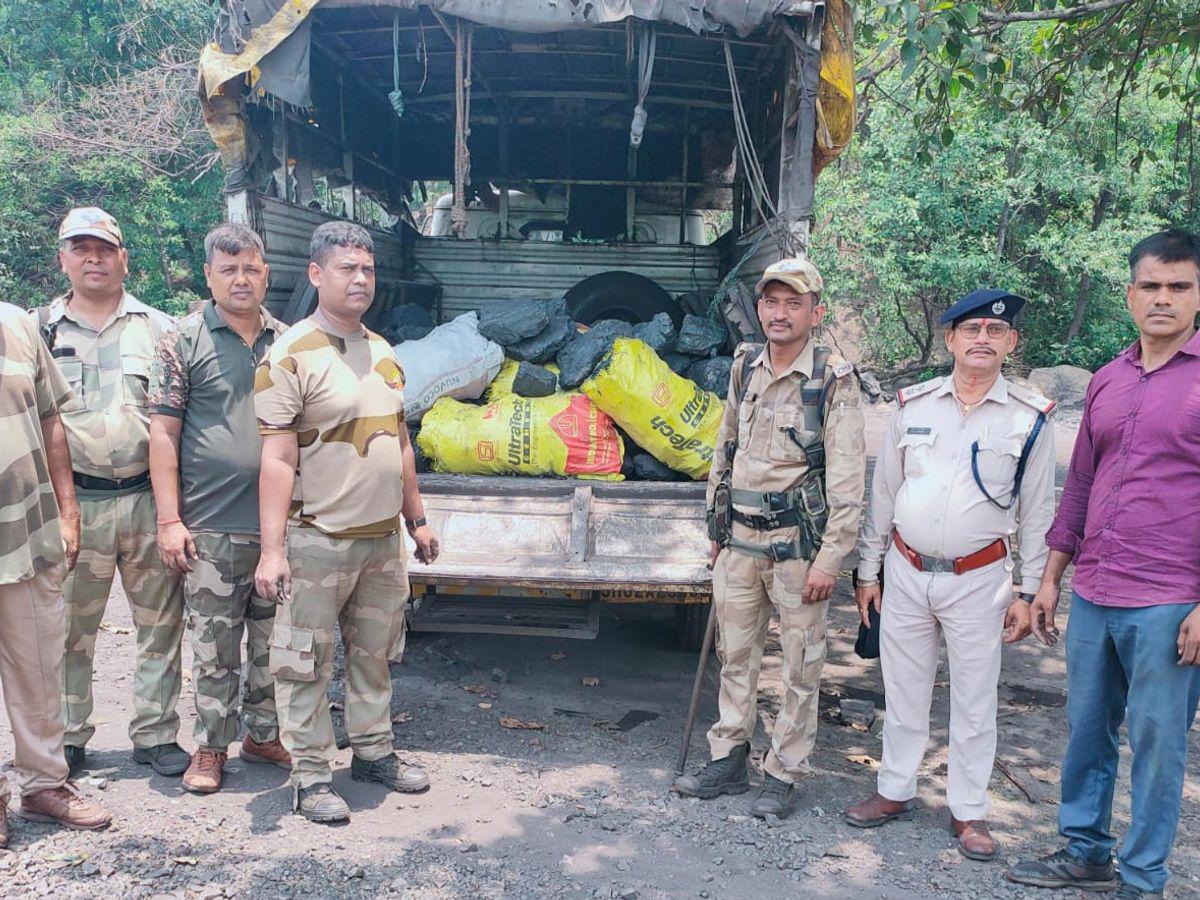
Coal remains the backbone of India's energy security and industrial growth, powering thermal power generation, steel production, and a wide range of economic activities.
However, for decades, the nation's coal resources have faced persistent threats from organised theft, illegal mining, pilferage, and sophisticated smuggling networks that result in significant losses to the exchequer and public sector enterprises.
In a major policy initiative aimed at protecting this strategic national coal resource, the Government of India seems to have strengthened the enforcement framework for coal security through amendments and notifications issued under the Mines and Minerals (Development and Regulation) Act, 1957 (MMDR Act).
Investigation revealed that these reforms have transformed the role of the Central Industrial Security Force (CISF) from a conventional guarding force into a statutorily empowered enforcement agency capable of taking direct action against illegal mining, coal theft and coal smugglers.
Through Gazette Notifications S.O. 5346(E) and S.O. 5347(E) dated 21 November 2025, the Government of India authorised designated officers of CISF and Coal Public Sector Undertakings under key provisions of the MMDR Act. The notifications empower authorised officers under Section 22 (Cognisance of Offences), Section 23B (Power to Search), and Section 24 (Power of Entry and Inspection).
These statutory powers mark a watershed moment in the protection of India's mineral resources. Previously, CISF personnel could apprehend offenders and seize stolen coal but remained dependent on local police authorities for registration of cases and further legal action. Organized syndicates often exploited procedural delays and jurisdictional gaps to evade prosecution.
Under the revised framework, authorized CISF officers can directly file written complaints before competent courts, conduct searches of vehicles and premises suspected of concealing illegally extracted minerals, and undertake inspections under the provisions of the Act. This has created a seamless enforcement chain where detection, seizure, investigation support, and prosecution can proceed with significantly greater efficiency and accountability.
The impact of these reforms is already visible on the ground. A compelling example comes from the Central Coalfields Limited (CCL) Kargali Unit located in Jharkhand's Bermo coal belt, where intensified anti-theft operations have demonstrated both the scale of the challenge and the effectiveness of empowered enforcement.
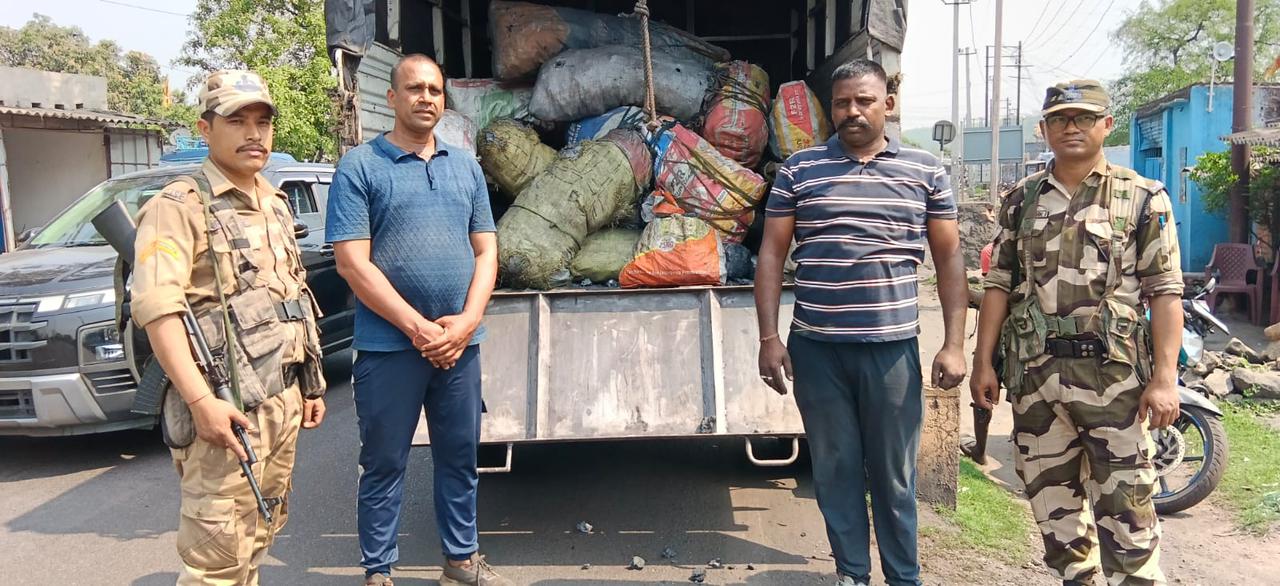
During 2025, CISF recovered approximately 1,100 tonnes of illegally extracted coal valued at around ₹24 lakh, compared to about 250 tonnes recovered during the previous year. The number of anti-theft operations increased from 128 raids in 2024 to 220 raids in 2025, while seizures of vehicles involved in illegal transportation rose dramatically from 12 vehicles to 102 vehiclesduring the same period. These interventions alone are estimated to have prevented revenue losses of approximately ₹3–4 crore annually to the public sector.
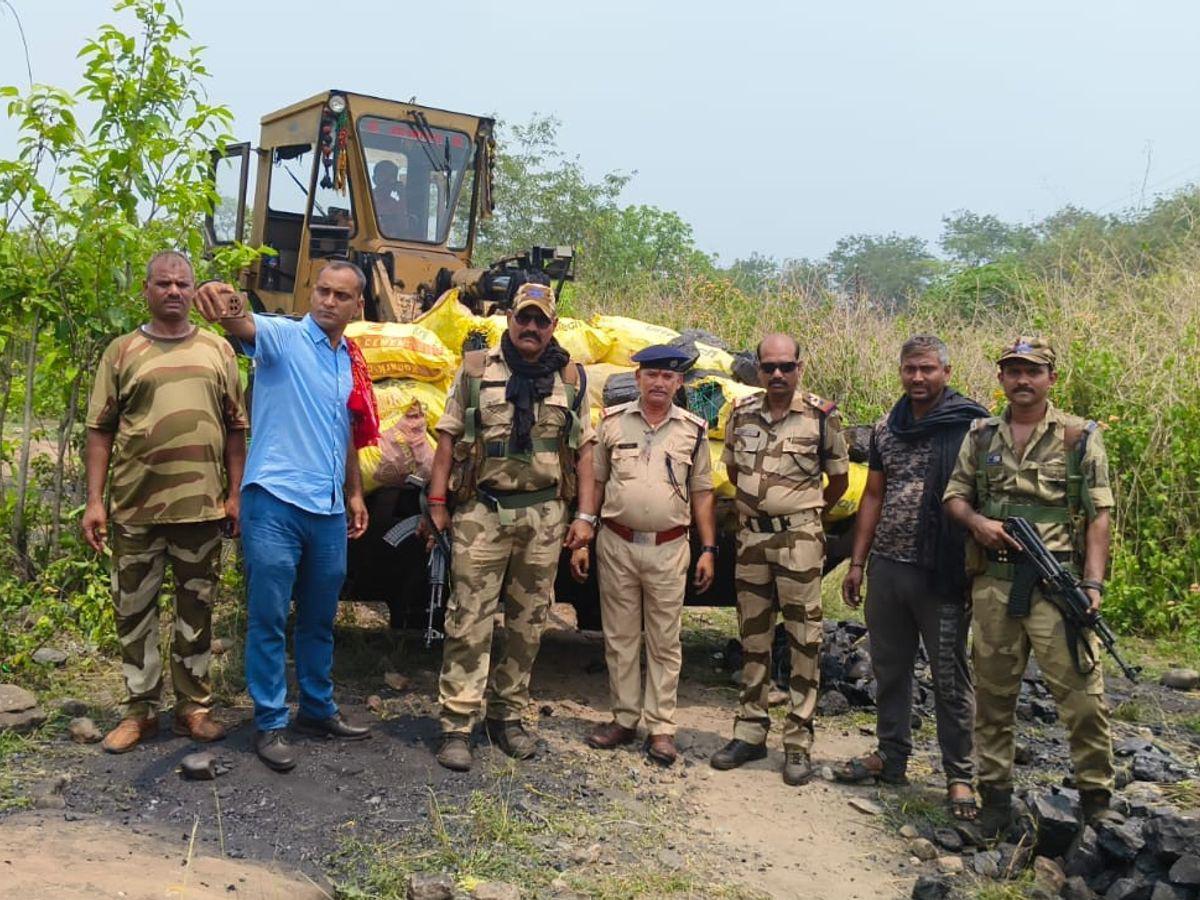
The Kargali experience also highlights the evolving tactics adopted by organized coal theft syndicates. In one notable instance, CISF detected a new modus operandi in which smugglers used motorcycles to transport small quantities of coal through narrow forest tracks and village routes before transferring the material to larger vehicles stationed outside mining areas. Through a specially planned five-day night ambush operation, CISF personnel intercepted and seized 24 motorcycles loaded with illegally extracted coal, effectively dismantling the network and neutralizing the tactic. While Kargali provides a representative case study, similar enforcement efforts are underway across coalfields throughout the country.
Recognizing that modern security challenges require technology-enabled solutions, CISF has simultaneously undertaken a comprehensive modernization of coal security operations.
One of the most significant developments has been the establishment of Integrated Command and Control Centres (ICCCs) across coal units. These centres integrate surveillance systems, transportation data, operational inputs, and security responses on a single platform, providing real-time situational awareness and enabling rapid decision-making.
Drone technology has emerged as another force multiplier. Through aerial surveillance, CISF can monitor vast mining areas, abandoned mine openings, inaccessible terrain, and vulnerable locations that would otherwise be difficult to secure through conventional means. Drone imagery also serves as valuable digital evidence in cases involving illegal mining and unauthorized extraction.
The transportation ecosystem has witnessed a similar transformation through the deployment of:
• RFID-enabled vehicle identification systems
• Automated entry and exit gates
• GPS-based vehicle tracking systems
• Vehicle Tracking Systems (VTS)
• Geo-fencing of approved transportation routes
• Integration of weighbridges with command centres
• Extensive CCTV surveillance networks
Together, these measures have enhanced transparency, strengthened accountability, reduced opportunities for diversion and manipulation, and improved the overall integrity of the coal supply chain.
The significance of these developments extends beyond the protection of individual coalfields. By preventing theft, curbing illegal mining, and plugging multi-crore leakages, CISF is helping ensure that the benefits of India's mineral wealth accrue to the nation and its citizens rather than organized criminal networks.
The combination of statutory empowerment, intelligence-based operations, and advanced technology has fundamentally transformed the coal security landscape. From protecting mine perimeters to actively enforcing mining laws and securing the entire transportation chain, CISF's enhanced role represents a major step forward in safeguarding one of India's most critical strategic resources and strengthening the country's long-term energy security.
If you value our journalism, consider making a voluntary contribution to help us continue bringing news, stories and information to our readers.
Scan the QR code to contribute

Every contribution, big or small, is appreciated.