Administrator
21 July 2026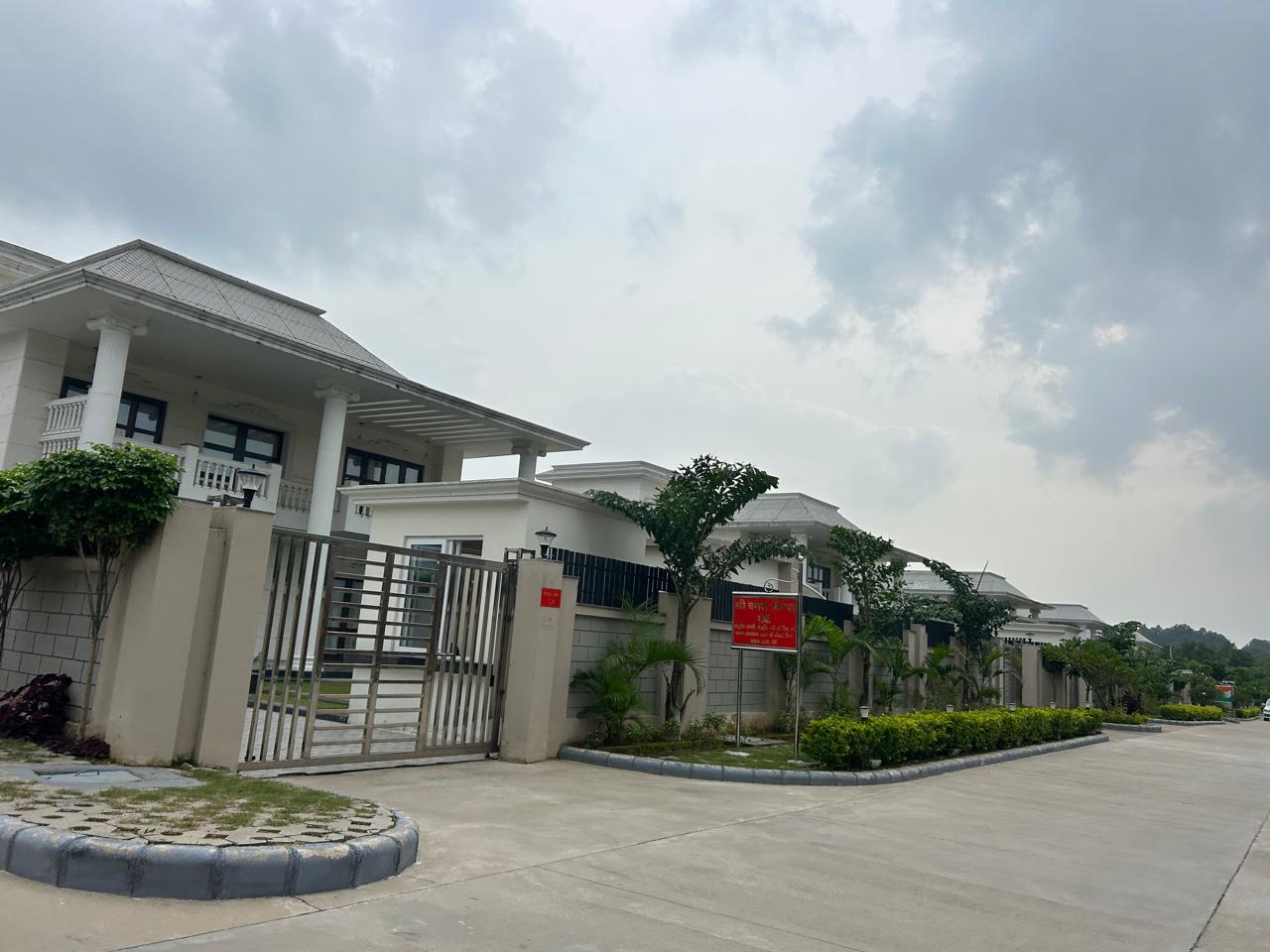
*A Minister’s Bungalow inside Ranchi Smart City
I spend quality time in my week within Ranchi Smart City itself. We have the cozy park next door — one of the best in the state, a clean community centre a few metres away, a parking spot, entry and exit gates for security, gyms, green fields, and very clean air in the environment.
The only reasons I leave the smart city are for work meetings or to catch a flight," said Ranchi smart city resident, Gulzar Ahmed, who has lived in Ranchi Smart City, Dhurwa, for over two months.
It is a sentence that would have sounded unusual a decade ago, because the land where Ranchi Smart City stands today was once marshy, swamp-like terrain.
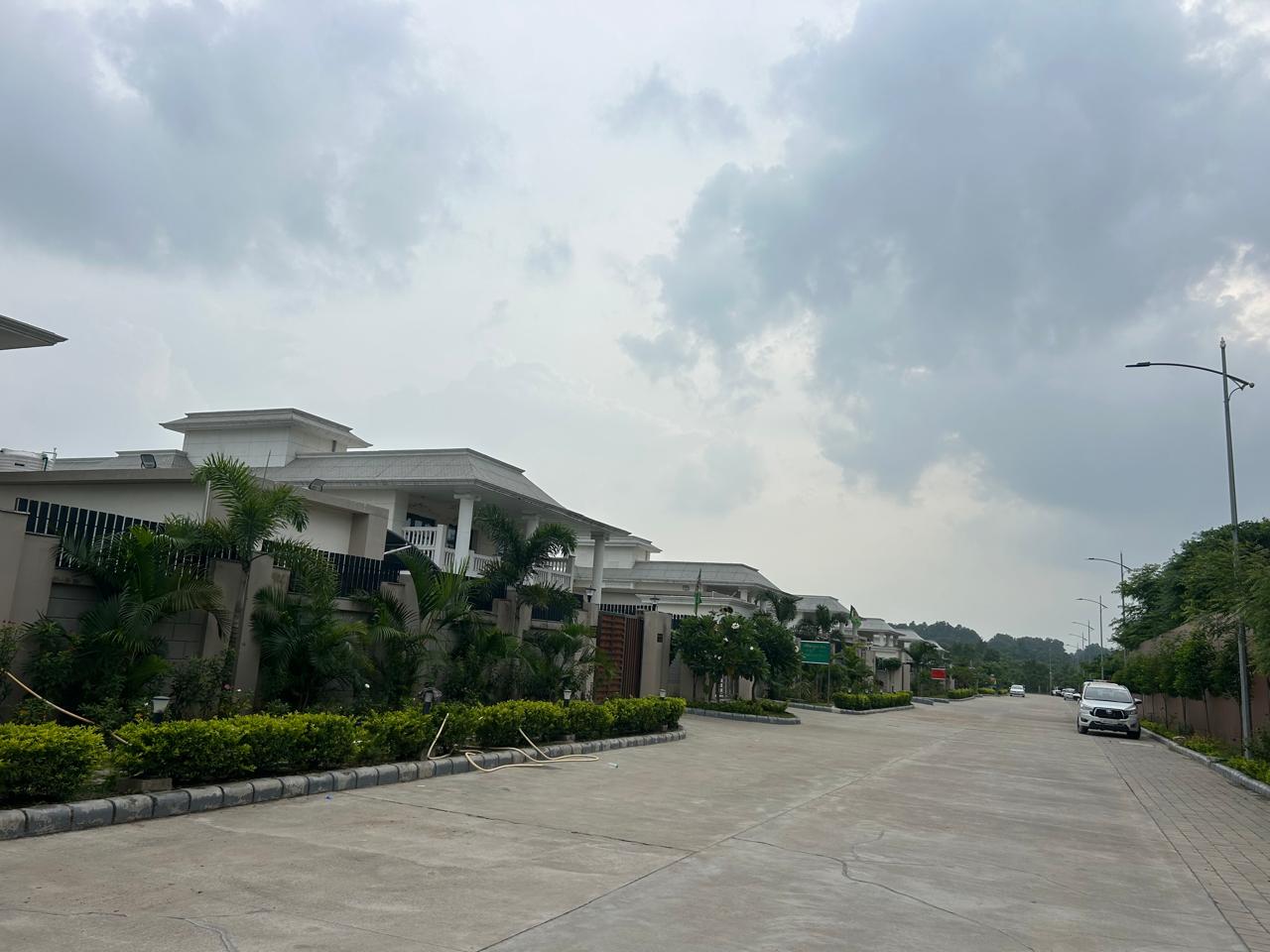
*Jharkhand’s 11 Ministers’ Bungalows, Campus Road
Today, the Ranchi Smart City is one of the best residential spaces for the state’s 11 Ministers who reside there. All of them welcome their guests in their new cozy double-storey bungalows.
In Jharkhand, the government has made it. The idea of Ranchi Smart City was built by the Government of Jharkhand in collaboration with the Government of India's Smart Cities Mission.
The project was planned and executed by a dedicated Special Purpose Vehicle (SPV) called Ranchi Smart City Corporation Limited (RSCCL).
The state government acquired the 647-acre land for the project in the Dhurwa/Hatia area from the Heavy Engineering Corporation (HEC), a sick public service undertaking.
The concept of a greenfield site features modern facilities like an integrated command control center, smart sanitation systems, and 24x7 water supply.
The master infrastructure is developed by the Jharkhand Urban Infrastructure Development Company (JUIDCO)and various empanelled contractors.
Now, since it was conceptualised to house up to 150,000 residents, the state government has allocated plots of land to private builders. They were constructing multi-storey housing flats with shopping malls, parks, swimming pools and so on.
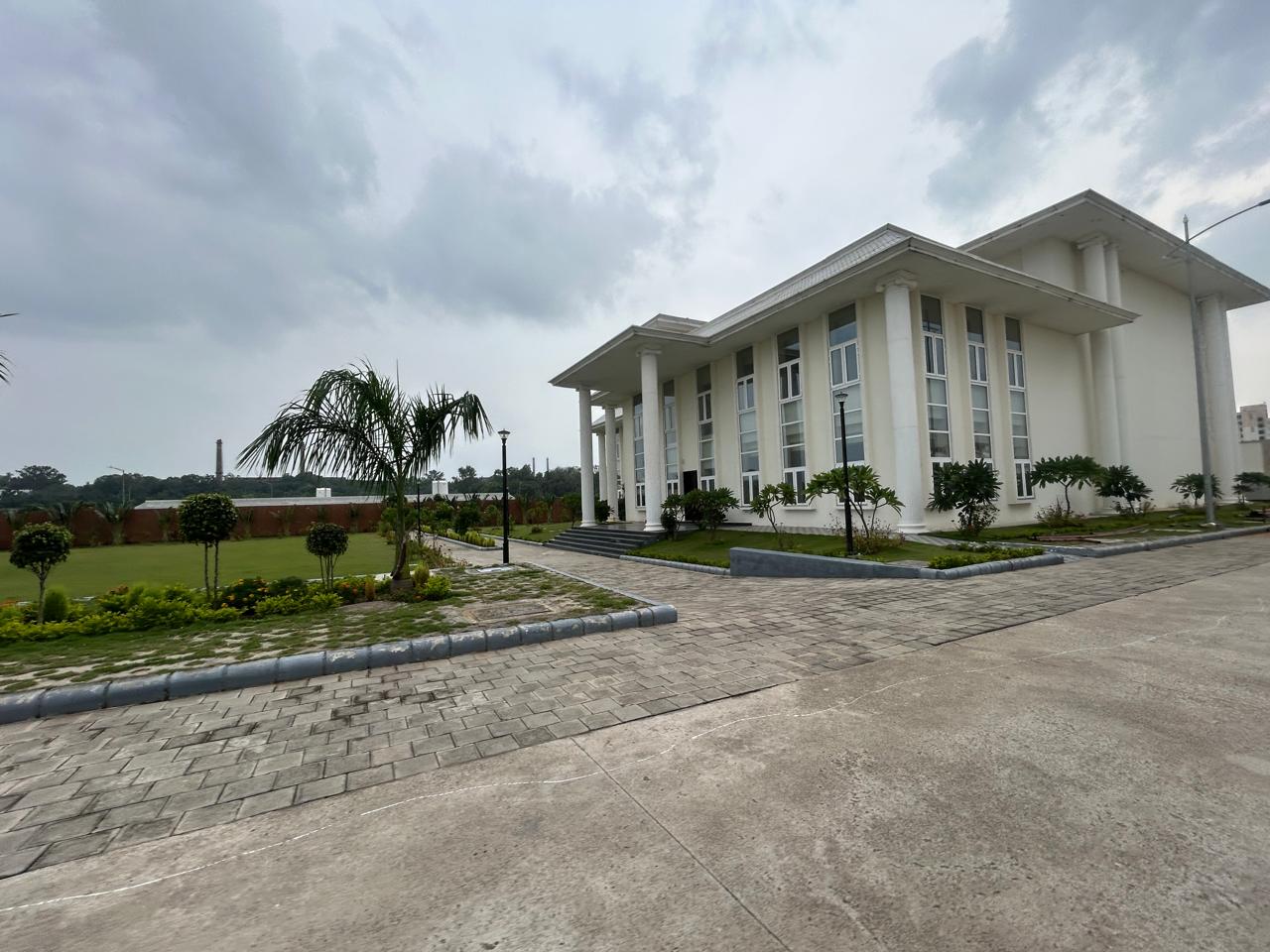
*Club House
Across the old city in Ranchi, every monsoon, when the same images return — of inundated cars, commuters wading through waterlogged roads, overflowing drains, and the news of misery and death — some neighbourhoods stand apart.
Inside a smart city, life carries on much as usual. Built over what was once marshland, the city’s maintained roads, drainage and civic systems ensure that residents are largely insulated from the disruption outside.
Across scores of Jharkhand’s gated townships, monsoon has a peaceful version. They all exist in, but in a different one. Inside communities such as Ranchi’s Ashok Nagar, Jamshedpur’s Bistupur and Dhanbad’s Lake Colony, the most testing season of the year offers a rare sight. A sight of normalcy.
Instead of waterlogging, a resident in any of these planned community setups can see clean asphalt roads with white markings and tree-lined avenues. The air has the smell of petrichor instead of sewage. Nobody dies of electrocution in potholed streets. And life, for the most part, is consumed by better problems.
However, in Ranchi Smart City, unlike all these posh colonies of cities, a calm and green belt with clean, black-packed bituminous roads with white markings makes it a shining city in the making.
Jharkhand became a state in 2000. But just as the state seems to live in many centuries at once, it also appears to contain many smaller cities of modernity. Behind gates that are guarded and streets that are well-lit, there are "mini-smart cities", each with their own systems, standards, and a way of life that only the state’s wealthiest 1% get to experience.
If you value our journalism, consider making a voluntary contribution to help us continue bringing news, stories and information to our readers.
Scan the QR code to contribute

Every contribution, big or small, is appreciated.