Administrator
05 August 2026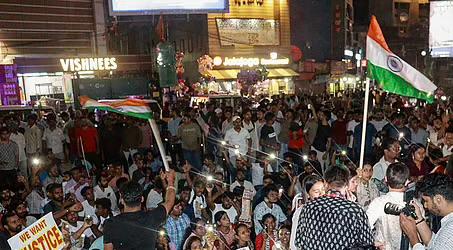
As the CID probe deepens into alleged JPSC–JSSC examination irregularities, thousands of aspirants continue a peaceful movement that has evolved into one of the state's most significant student-led campaigns for transparency and institutional accountability.
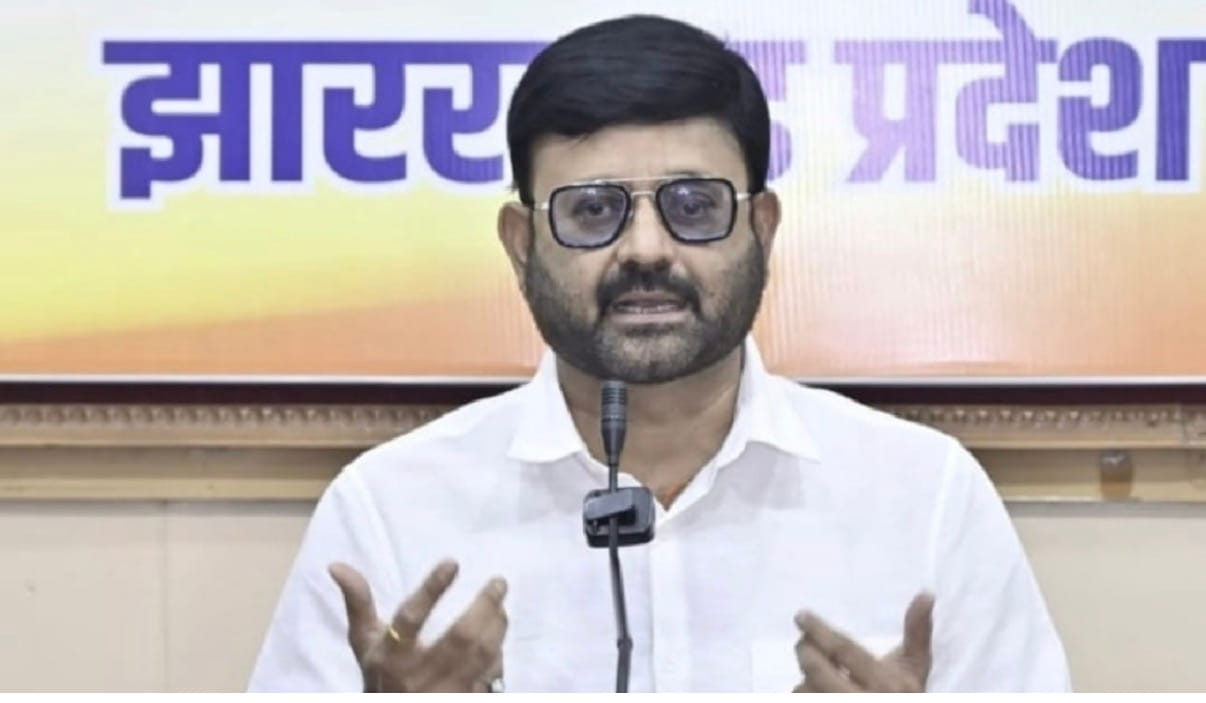
Responding to the emerging students movement, Jharkhand CM Hemant Soren has, for the first time, opened his stance saying, his government stands with them. “ Injustice will not be allowed”, he said.
“Investigation is going on. Let the facts come out.After examining the reality on the basis of facts gathered from the investigation, The government is sincerely committed to address their grievances.”
The Investigation Enters a Critical Phase
The investigation into the alleged irregularities surrounding the Jharkhand Public Service Commission (JPSC) and Jharkhand Staff Selection Commission (JSSC)examinations has entered a more decisive phase, even as the movement demanding accountability continues to gather momentum across Jharkhand.
On Tuesday, two events unfolded. One, students took out a peaceful procession paying tributes to Dishum Guru Shibu Soren and sought justice from the Soren government at Ranchi city centre - Albert Ekka Chowk.
Second, the Criminal Investigation Department (CID)questioned former JPSC Chairman L. Khiyangte on Tuesday for the fourth consecutive day. The latest round of interrogation lasted nearly seven hours, underscoring the seriousness and complexity of the ongoing investigation.
Simultaneously, CID teams carried out searches across multiple districts as part of the expanding inquiry into the alleged examination irregularities.
While the investigation progresses within official institutions, an equally significant process is unfolding outside them—one led by thousands of young aspirants whose future, they say, depends on restoring faith in the state's recruitment system.
A Protest That Has Moved Beyond Numbers
For eleven consecutive days, candidates have continued their peaceful Satyagraha at Jaipal Singh Munda Stadium in Ranchi, demanding a Central Bureau of Investigation (CBI) inquiry into the alleged irregularities in the JPSC and JSSC examinations, along with strict action against those found responsible.
Now, representatives of the protesting candidates insist and declared that they would gherao the Jharkhand Legislative Assembly on August 10, stating that unless the government initiates concrete action on their demands, the agitation will continue to expand.
What began as a gathering of examination aspirants has steadily transformed into a sustained public movement. The number of participants at the protest site continues to increase each day, with students arriving not only from districts across Jharkhand but also from neighbouring states.
The movement has also attracted widespread moral and financial support from across the country. Social organisations, former students, citizens and volunteers have stepped forward to provide food, drinking water and essential supplies, allowing the protest to sustain itself through collective participation.
When Evening Falls, the Protest Finds Its Voice
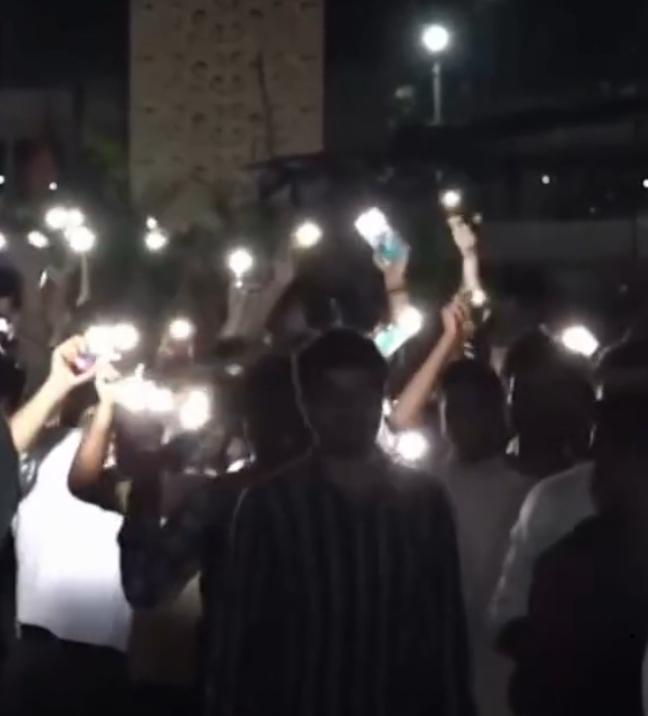
As daylight fades over Ranchi, the atmosphere at Jaipal Singh Munda Stadium undergoes a remarkable transformation.
The protest site becomes a vibrant civic space where students assemble in large numbers—not merely to demonstrate, but to communicate.
Street theatre performances narrate the concerns of examination aspirants. Student assemblies deliberate on the movement's direction and future strategy. Cultural programmes become platforms through which participants seek to carry their message beyond the protest venue and into the wider public consciousness.
The movement has gradually evolved beyond a conventional sit-in demonstration. It now reflects a broader exercise in democratic participation, where cultural expression, public dialogue and peaceful assembly converge around a shared demand for institutional.
The Demands at the Centre of the Movement
During the press conference, student representatives reiterated that their movement is centred on a defined set of demands concerning the integrity of the recruitment process.
These include:
• A fair, impartial and transparent investigation into matters relating to the JPSC and JSSC examinations.
• Strict action against all individuals found responsible for any irregularities.
• Cancellation of the Preliminary Test (PT) examination.
• A CBI investigation into the alleged irregularities.
• Measures to safeguard the future and interests of deserving examination candidates.
Student leaders stated that the protest would continue until the government announces a concrete course of action addressing these demands.
Political Attention Grows, Students Assert Independence
As the movement has expanded, political activity around it has also intensified.
Representatives from various political parties and elected public officials have visited the protest site and met with the agitating students.
Despite these interactions, the organisers have consistently maintained that the movement remains entirely student-led. According to the protesters, its sole objective is to secure justice for examination candidates and ensure transparency in public recruitment.
They have repeatedly emphasised that their methods remain peaceful, constitutional and democratic, aimed solely at communicating their concerns to the government.
August 10: The Next Defining Moment
The announcement of an Assembly gherao on August 10now marks the next significant milestone in the movement.
Attention is focused on two parallel developments that continue to shape the course of events.
On one side, the CID investigation continues, with extended interrogations and searches indicating that official scrutiny remains active.
On the other, the student movement continues to grow in both scale and public participation, maintaining pressure through sustained, peaceful mobilisation.
Whether the government's response alters the course of the agitation—or whether the Assembly gherao becomes the movement's next defining chapter—will likely determine the trajectory of one of Jharkhand's most closely watched public recruitment controversies.
At the Heart of the Issue
Beyond the investigation, the protests and the political attention, the issue ultimately centres on a question that extends far beyond a single examination cycle: the confidence of an entire generation in the fairness, transparency and credibility of public recruitment.
For thousands of aspirants gathered in Ranchi—and for many others watching from across Jharkhand and beyond—the demand is not only for accountability in the present inquiry, but also for confidence that future opportunities will be determined solely by merit, through a recruitment system that commands public trust.
If you value our journalism, consider making a voluntary contribution to help us continue bringing news, stories and information to our readers.
Scan the QR code to contribute

Every contribution, big or small, is appreciated.