Administrator
19 August 2026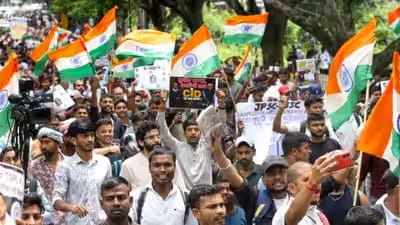
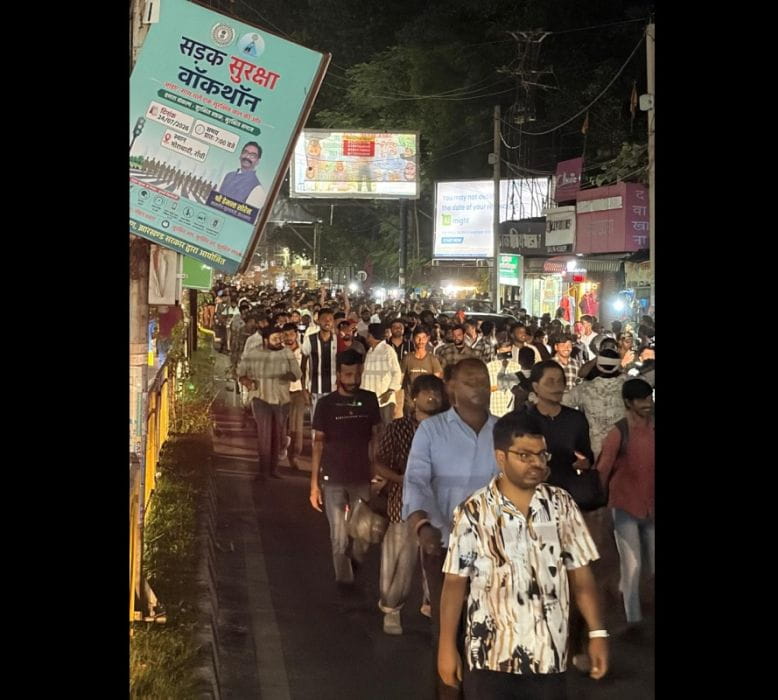
Representational Pic
Jharkhand students have welcomed notification issued by the state government cancelling exams. They had called off their hunger strike after the government scraped the JSSC-CGL and TDPL-conducted examinations.
But the protesters are still demanding a CBI probe into the alleged irregularities.
After 25 days of sustained protest, Jharkhand’s recruitment crisis has reached a significant turning point.The state government has cancelled the JSSC-CGL examination and all recruitment examinations conducted by TSR Data Processing Pvt Ltd (TDPL), bringing one of the central demands of the protesting students within reach. In response, student leader Devendra Nath Mahto and other protesters ended their 16-day hunger strike.
But the agitation is not over. The JPSC-JSSC Reforms Manch remains firm on its demand for a CBI investigationinto the alleged irregularities. The cancellation has therefore ended one phase of the confrontation without resolving the larger question of accountability.
A MAJOR CONCESSION
The government’s decision marks a substantial response to a movement that had continued for more than three weeks. The JSSC-CGL examination has been scrapped. Alongside it, the government has cancelled all recruitment examinations conducted by TDPL since 2014, including the results and selections arising from those examinations. The decision came after sustained protests over alleged malpractice and questions about the transparency of the recruitment process. For the students who had remained on hunger strike, the cancellation represented a tangible outcome after weeks of pressure.
16 DAYS WITHOUT FOOD
Student leader Devendra Nath Mahto, who had been on hunger strike for 16 days, called off his fast following the government's announcement. The hunger strike had become one of the most visible symbols of the agitation. Mahto described the cancellation as a major victory for Jharkhand, while also making clear that the larger struggle for recruitment reform and accountability had not ended. Other protesting students also ended their hunger strike following the government's decision.
WHY THE PROTEST CONTINUES
For the protesters, cancelling an examination addresses the immediate dispute. It does not answer the question of how the alleged irregularities occurred, who was responsible and whether anyone will be held accountable. That is why the demand for a CBI probe remains central. The JPSC-JSSC Reforms Manch has said it will continue its agitation until the government agrees to an investigation by the country's premier central investigating agency. In other words:
The examination has been cancelled.
The demand for an investigation remains.
A SECOND SET OF QUESTIONS: THOSE WHO ALREADY CLEARED THE EXAM
The cancellation has also created a new and difficult problem.Around 2,000 candidates who cleared the JSSC-CGL examination are directly affected by the decision. Many of them have already been appointed to government positions. These candidates say they followed the prescribed recruitment process and should not be punished for alleged wrongdoing by others. They have sought an opportunity to defend themselves and have raised concerns about the consequences of cancelling an examination after selections and appointments have already taken place. The government has indicated that affected successful candidates may seek legal remedies.
The controversy has therefore acquired another dimension:
How does the state correct an allegedly compromised recruitment process without unfairly penalising candidates who may themselves have done nothing wrong?
FROM PROTEST TO INVESTIGATION
The government’s decision does not mark the end of the recruitment controversy. The state has already moved towards investigations into alleged irregularities, including a CID inquiry into examinations conducted through TDPL since 2014. But protesters have consistently argued that a state-level investigation is insufficient and have demanded a CBI probe.That difference remains unresolved.
THE AUGUST 20 CONFRONTATION IS OFF
The cancellation has also removed the immediate threat of another major confrontation. Students had announced plans to gherao Chief Minister Hemant Soren’s residence on August 20 if their demands were not met. Following the government’s decision to scrap the examinations, protesters called off that planned action. The streets may therefore fall quieter. But the central dispute has not disappeared.
WHAT THE GOVERNMENT HAS CHANGED
The latest decision represents a significant shift from the earlier position, when the government had sought to resolve the agitation through repeated rounds of dialogue. It has now cancelled the examinations at the centre of the dispute. But cancellation is a remedy for a disputed examination.
An investigation is what establishes what went wrong. That distinction explains why the protesters have ended their hunger strike without ending their campaign.
THE NEXT TEST
Jharkhand’s recruitment controversy has now entered a new phase. The students have secured the cancellation they were demanding. The government has taken a consequential administrative step. Thousands of successful candidates now face uncertainty over appointments they believed they had earned. And the protesters continue to ask for a CBI investigation into the alleged irregularities. So the immediate confrontation may be over.
The larger test is only beginning:
Can Jharkhand not only cancel a recruitment process it considers compromised, but establish how it became compromised — and ensure that the next examination is worthy of the trust of the young people whose futures depend on it?