Administrator
20 August 2026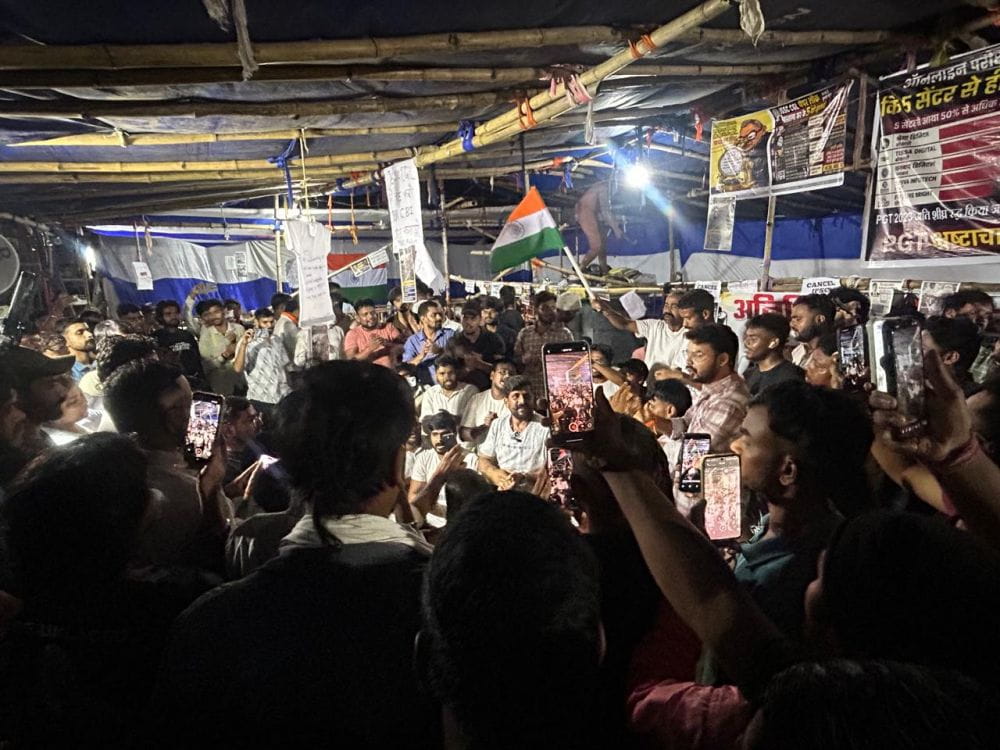
Representational Pic
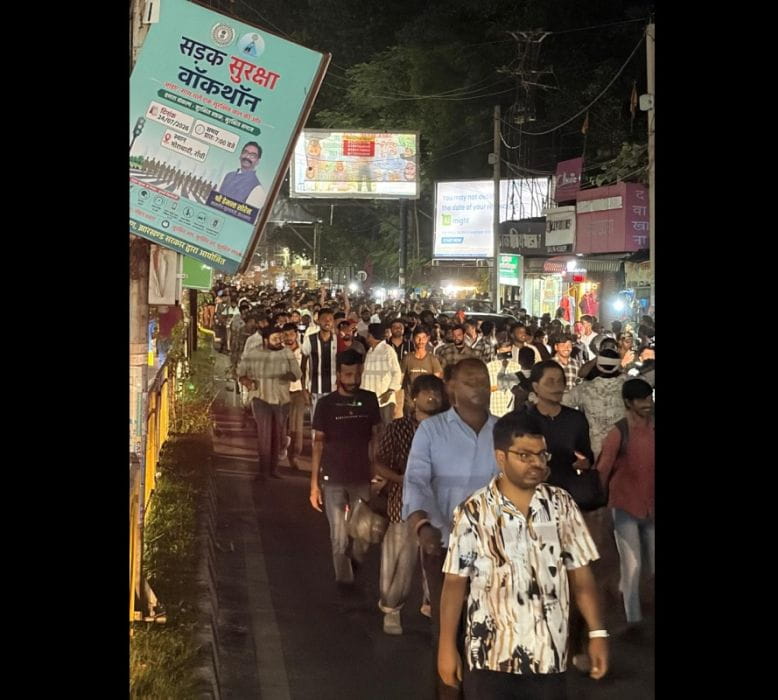
The Supreme Court has indicated that FIRs registered against innocent student protesters during the nationwide agitation over the NEET paper leak should be quashed, while making it equally clear that those with serious criminal histories predating the protests cannot claim the same relief. The Centre has agreed in principle to the withdrawal of cases against innocent protesters but has objected to extending that relief to 2,873 people whom it says have serious criminal antecedents, including cases involving rape, murder, attempt to murder, kidnapping and extortion. The distinction drawn by the court is central to the entire matter: peaceful protest is constitutionally protected; serious criminal conduct is not.
‘THE LIFE AND FUTURE OF INNOCENT STUDENTS’
Chief Justice of India Surya Kant, sitting with Justices Joymalya Bagchi and V. Mohana, stressed that the consequences of criminal cases cannot be viewed lightly when young students are involved. The bench said students have ‘legitimate expectations from the system’ and pointed to their right to freedom of speech and expression under Article 19 of the Constitution. The court's position was that students who protest peacefully and do not violate the law must be distinguished from hardened criminals. It is an important constitutional distinction. The State has the authority to maintain public order. But that authority does not erase the citizen's right to dissent.
THE CENTRE’S OBJECTION: 2,873 CASES
Solicitor-General Tushar Mehta, appearing for the Centre, said the government was not opposed to withdrawing cases against students and innocent protesters. His objection was narrower. He said some individuals had allegedly entered the protests despite having serious criminal cases registered against them before the agitation began. The Centre put their number at 2,873. According to the government, these included allegations relating to rape, murder, attempt to murder, kidnapping and extortion. It therefore argued that such cases should not automatically be quashed merely because the accused participated in the student movement. That position has been accepted as a principle by the court: a protest cannot become a shield against prosecution for unrelated serious crimes.
THE COURT REJECTS A CONDITION OF ‘REMORSE’
A lawyer representing one of the petitioners opposing blanket quashing argued that neither the government nor the Supreme Court should appear to condone violence merely because those accused were students. He suggested that protesters booked in connection with the violence should first file affidavits expressing regret and remorse over the events of July 20 in Delhi. The Supreme Court declined to impose such a condition. The bench made clear that it would not attach a precondition of remorse before quashing FIRs against students and other innocent protesters. That decision is significant. The court is not declaring that violence is acceptable. It is instead separating the question of criminal culpability from the question of whether a young person should continue to carry an FIR merely for having participated in a protest.
A HIGH-POWERED PANEL TO EXAMINE THE CRACKDOWN
The court is also moving towards the creation of a high-powered committee to examine the wider circumstances surrounding the protests. According to the court, the proposed panel will include:
• a former Supreme Court judge;
• a former High Court judge;
• a former Director-General of Police from a state where the protests did not take place; and
• a former CBI director.
The committee will examine grievances relating to the police crackdown on protesters as well as retaliatory attacks on security personnel. The composition signals an attempt to place the inquiry at arm's length from the agencies and administrations directly involved in the disputed events.
WOMEN PROTESTERS RAISE ANOTHER ALARM
The proceedings also brought another dimension of the protests before the court. A lawyer told the bench that women protesters continued to face online sexual intimidation and threats of rape. Chief Justice Kant assured her that these complaints would also be examined by the proposed committee. The issue extends the court's scrutiny beyond the physical confrontation between protesters and police to the intimidation that can continue after the streets have emptied.
WHAT THE POLICE SAY
The Delhi and Bihar police have rejected allegations that excessive force was used against protesters. In its affidavit, the Delhi government said police had adopted what it described as a graded response, using restraint and tactical measures to prevent the situation from escalating. It alleged that anti-social elements had entered the movement and attacked police personnel with sticks, rods, stones and other weapons. The police position is that force was used in self-defence and to deter those attacks. The Bihar government has made a similar argument. But its affidavit also records a significant detail: during one incident in Siwan, a constable fired an AK-47 into the air to disperse violent protesters. The government said no one was injured by that firing, while other police personnel used 9mm pistols to disperse the crowd.Three people, according to the Bihar government's account, suffered firearm injuries and were treated in hospital. These competing accounts — of police excess on one side and attacks on security personnel on the other — are among the matters now awaiting closer examination.
THE SIWAN FALLOUT
The controversy has already had administrative consequences in Bihar. The state government transferred 18 senior IPS officers, including the Superintendents of Police of Bhojpur and Siwan, districts where police action during the protests had generated controversy. Siwan SP Pooran Kumar Jhawas transferred and placed on the waiting list for a fresh posting. He had been heading the district police when the AK-47 was used during the student protest in Siwan on July 25.
THE COURT’S EARLIER WARNING
The latest proceedings follow a series of observations from the Supreme Court on how the State should handle student protests. Earlier, the court had cautioned that an overly aggressive response from the “mighty State” could aggravate tensions and potentially precipitate further violence. Chief Justice Kant had stressed that young protesters needed advice and counselling, and that the more powerful response was often to reason with them and understand the grievances driving their protest. The court had also affirmed that peaceful protest is a constitutional right, while emphasising that the lives and safety of police personnel matter as well. It indicated that it would frame all-India guidelines for law-enforcement agencies dealing with public protests.
THE QUESTION OF ACCOUNTABILITY
The legal debate therefore has two sides that cannot simply be collapsed into one. Students have a constitutional right to protest peacefully. Police and other citizens have a right to protection from violence. A protester does not lose constitutional protection merely because a protest becomes politically inconvenient. But neither does a student's status place them beyond the reach of criminal law if serious offences are established. The Supreme Court's approach seeks to draw that line rather than erase it.
WHAT THE COURT IS TRYING TO PROTECT
The immediate issue is the FIRs. The larger issue is the relationship between citizen dissent and State power. A criminal case can follow a student long after a protest has ended — affecting education, employment, reputation and the future that the court itself has described as being at stake. That is why the bench has indicated that innocent students should not be left carrying such cases indefinitely. At the same time, the court is not proposing blanket immunity. The proposed framework is more precise: Protect peaceful dissent. Investigate violence. Distinguish protesters from criminals. And do not allow either side to use the other as a justification for excess.
THE LARGER TEST
The NEET paper-leak protests began as a demand for accountability in an examination system on which millions of young lives depend. They have now produced a second institutional question: When young citizens believe the system has failed them, how should a democracy hear them?
The Supreme Court's answer is taking shape around a principle that is both simple and demanding: The right to protest must be protected. The rule of law must be protected alongside it. The challenge is ensuring that neither is sacrificed in the name of the other.