Administrator
21 August 2026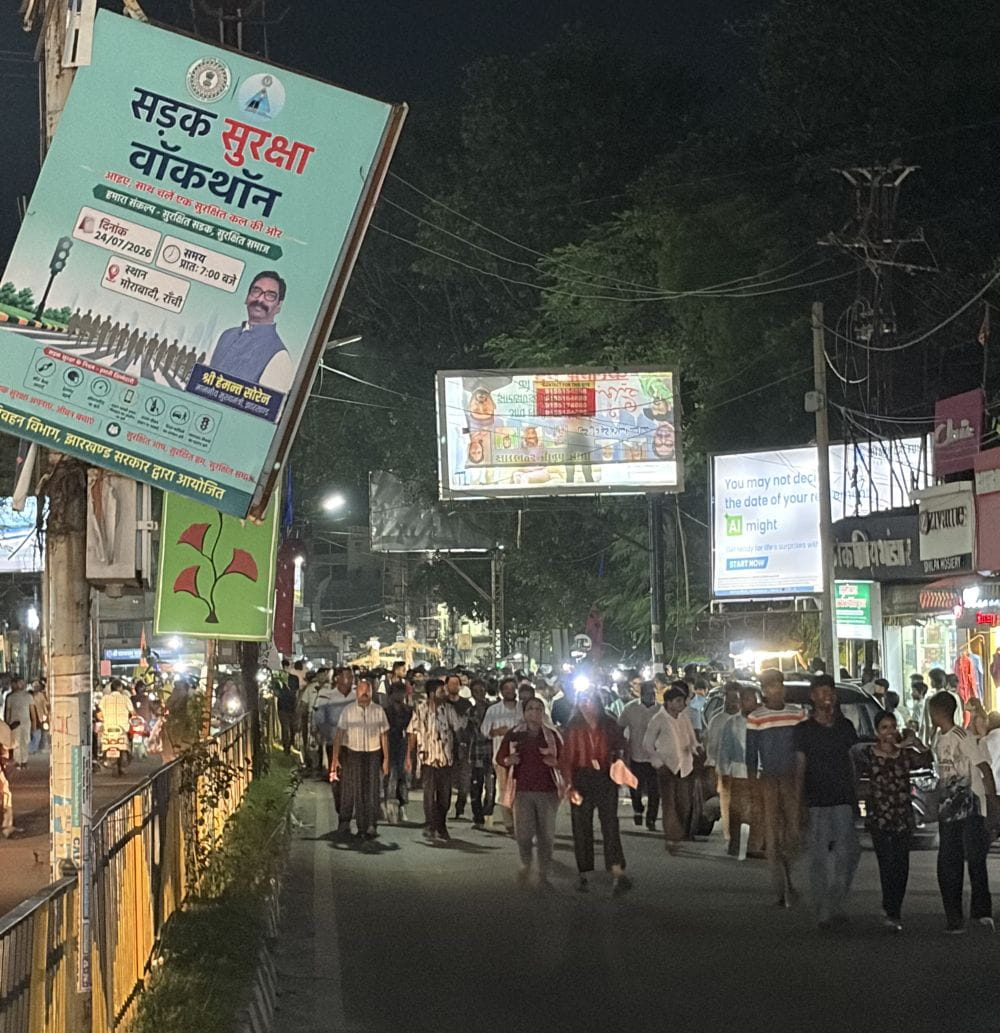
The Jharkhand government’s sweeping action against recruitment examinations was meant to draw a line under weeks of student agitation. Instead, the Jharkhand High Court’s intervention has opened a new phase in the dispute — one that could put the government at odds with the very students whose demands it had agreed to address.
The immediate trigger is the High Court’s decision to stay, until further orders, the cancellation of the 11th to 13th JPSC examinations and the appointments arising from them. The second is the Supreme Court headed by Chief Justice of India, deciding to hear a plea seeking a CBI probe into alleged irregularities in the Jharkhand Combined Civil Services Preliminary Competitive Examination, 2025, conducted by the Jharkhand Public Service Commission (JPSC) for recruitment to 103 posts.
In Ranchi, higher judiciary -HC has not only directed that the affected candidates be reinstated, but held that they could not be removed without due process and adherence to the principles of natural justice.
The order gives temporary protection to candidates who had already entered government service. But it has simultaneously unsettled the student movement that had pushed the government towards cancellation in the first place.
‘The Government Has Backtracked’
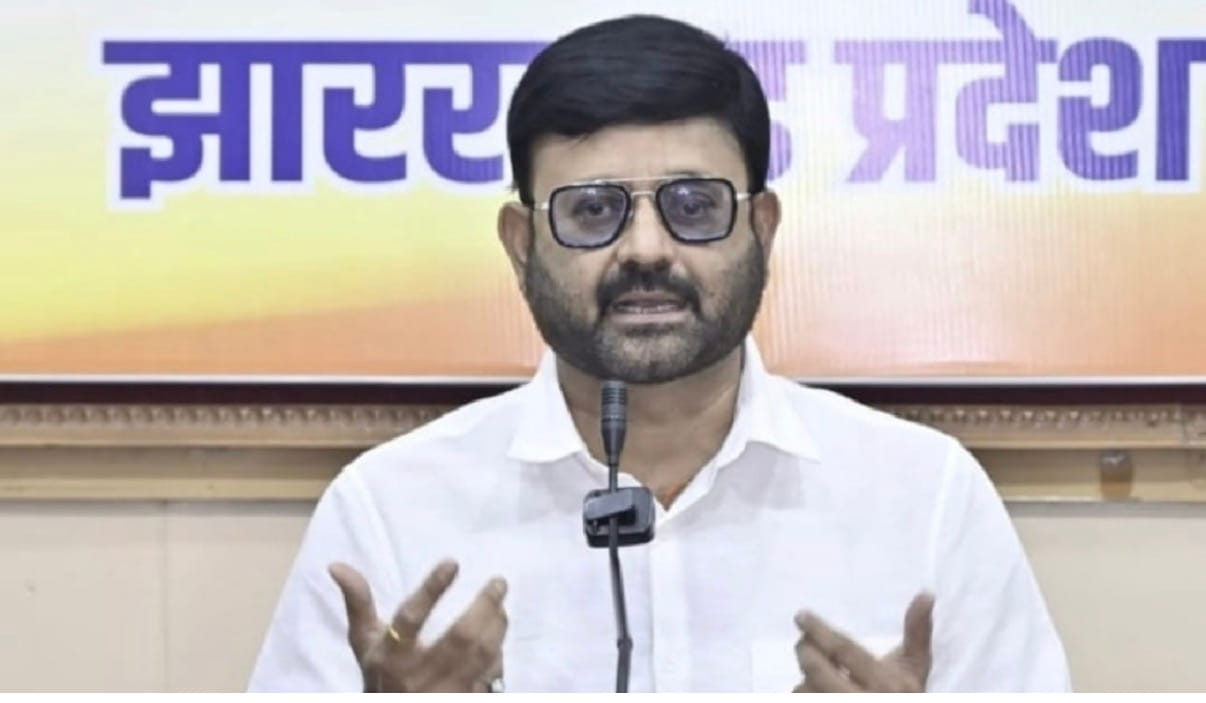
Student leader Ravindra Paswan, speaking to ANI, said he would not comment on the High Court’s order itself but questioned the government’s position during the hearing.According to Paswan, the government had assured protesting students that their demands had been accepted, that the examination would be cancelled and that there would be a proper investigation. He said the government’s conduct before the High Court did not reflect those assurances. He also alleged that the state’s lawyer did not make a submission opposing the petitions, and accused the government of effectively allowing appointments to continue even after cancelling the examinations.
That allegation has become the new fault line in the dispute.
The protesters are not merely challenging the court’s interim relief. They are questioning whether the government that negotiated with them is now defending the outcome of those negotiations with the same resolve.
A Protest That Had Already Forced Government Action
The confrontation comes after a prolonged student agitation over alleged irregularities in Jharkhand’s recruitment examinations. The government ultimately cancelled 22 examinations, placed six examination processes on holdand ordered investigations into 17 others. The action followed weeks of protests and was presented as a response to concerns over the integrity of recruitment processes. For the protesting aspirants, cancellation was not simply an administrative decision. It was the outcome they had been demanding in order to restore confidence in examinations they believed had been compromised. That is why the High Court’s stay carries significance beyond the individual appointments now protected by the court.
It has reopened a question the protesters believed had already been settled.
The Court Has Not Cleared the Examinations
The legal position, however, remains more nuanced than the political reaction. The High Court has not ruled that the allegations of irregularities are unfounded. Nor has it brought the investigations to an end. Its intervention is directed at the government's decision to cancel examinations and appointments and the procedure followed in doing so. The court has, for now, required the state to respect due process while the legal challenge is heard. That distinction matters.An examination can remain under investigation while the appointments arising from it receive interim judicial protection.
The stay is therefore not a clean chit to the recruitment process. It is a judicial pause on the consequences imposed by the government.
Why the Order Matters to the Protest Movement
For students who spent weeks demanding cancellation, the development creates a difficult situation. They had sought two things that now appear to be pulling in different directions: action against allegedly compromised examinations and accountability through investigation. The government moved towards cancellation. The court has now protected candidates affected by that cancellation. And the student leadership believes the government did not adequately defend the cancellation before the court. That perception could be particularly damaging because the protest had already been temporarily suspended after the government accepted several of the students’ demands, with the protesters giving the state time to implement broader reforms.
The stay risks reviving the agitation at precisely the point when the government appeared to have moved towards a negotiated resolution.
If you value our journalism, consider making a voluntary contribution to help us continue bringing news, stories and information to our readers.
Scan the QR code to contribute

Every contribution, big or small, is appreciated.