Administrator
29 August 2026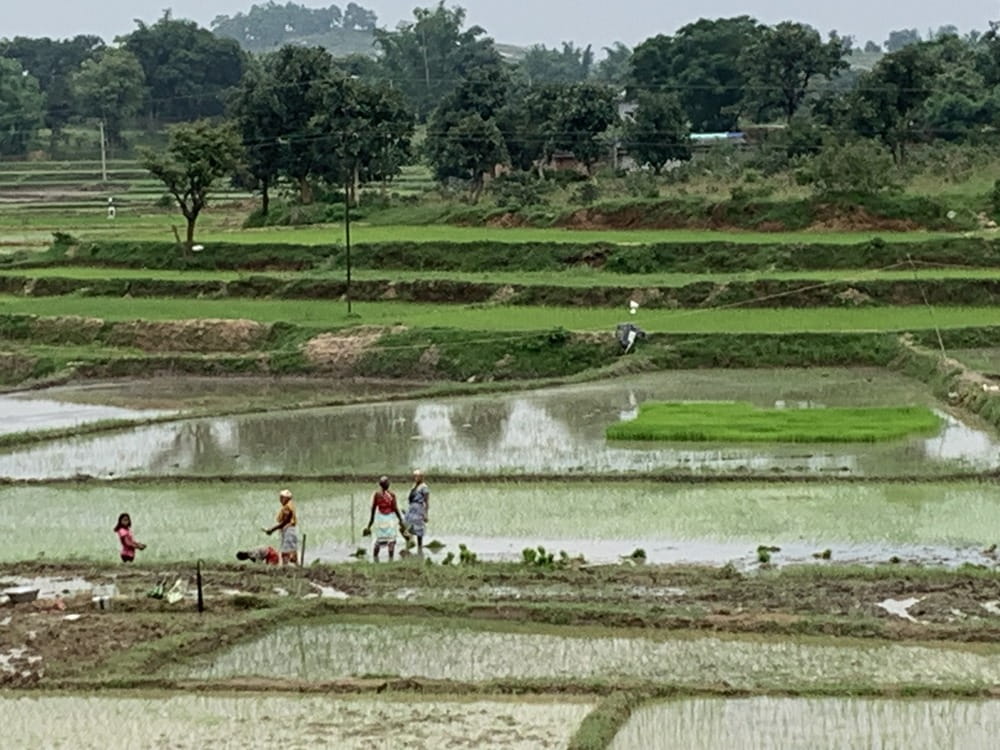
*Farmers worried as weak monsoon ahead can destroy their growing paddy plants in Khunti, near Ranchi, Jharkhand
As the day advances, paddy plants lookblooming even as the sowing area under all kharif crops recorded below normal across Jharkhand.
These green growing paddy plants need to be nourished by water and the sun at regular intervals for healthy yields. Farmers seem to be worried since there has been deficient and uneven rainfall. Also, the weather forecast is not agriculture friendly.
Already, deficit rainfall has severely impacted paddy cultivation and kharif sowing across multiple districts in Jharkhand, pushing the state toward a drought-like crisis, it is learnt.
Slow transplanting and delayed sowing caused by uneven rains and El Niño conditions have significantly reduced paddy coverage compared to previous seasons.
Ranchi Meteorological Centre where personnel continue to track shifting depression patterns, has pointed out that 11 of 24 districts in Jharkhand were facing rainfall deficit this year.
The worst hit was Santhal Pargana division where Pakur has registered the highest shortfall at 54 per cent.
The deficiency is due to "uneven rainfall distribution, caused by various factors including El Niño and local phenomena", PTI quotes Ranchi Meteorological Centre Deputy Director Abhishek Anand as saying.
El Niño is characterised by unusually warm ocean surface temperatures in the central and eastern Pacific.
Jharkhand's overall rainfall deficiency was recorded at 10 per cent. It, however,comes under the normal category, according to the RMC Deputy Director.
A deviation of 19 per cent in rainfall is considered to be normal, according to the India Meteorological Department .
The state has received 698 mm of rainfall from June 1 to August 28 as against a normal precipitation of 778.3 mm, according to a latest weather bulletin.
Pakur was followed by Deoghar with 48 per cent rainfall deficiency, Koderma with 40 per cent, Garhwa and Giridih with 37 per cent each, Godda with 31 per cent and Hazaribag with 30 per cent.
Six districts have registered surplus rainfall, with West Singhbhum registering 42 per cent more precipitation till Friday, while seven other districts received normal rainfall, the bulletin said.
Aware of deficient rain fall, farmers, who have already sown paddy plants, appear worried over the possibility of destruction of paddy. As it is, a lack of rain causes severe water stress that stunts growth, reduces grain filling, and can ultimately destroy paddy plants.
Experts say, rice plants need standing water to grow well. Dry soil stops them from reaching their full size.
They argue that lack of rain will dry out the roots. The leaves will turn brown, and the whole plant dye.Dry spells during the flowering stage ruin the grains”, said a farmer.
Farmers get very little rice from each water- starved plant.Also, weak and dry plants do attract harmful insects and diseases very easily.This means, if rains stop pouring in coming months, farmers may suffer loss of paddy and Kharif crops.
According to the IMD bulletin, northeastern districts of Dumka, Deoghar, Jamtara and Giridih, southeastern districts of West Singhbhum, East Singhbhum and Seraikela-Kharsawan, and adjoining central district of Dhanbad are likely to receive heavy rainfall now onwards.
If you value our journalism, consider making a voluntary contribution to help us continue bringing news, stories and information to our readers.
Scan the QR code to contribute

Every contribution, big or small, is appreciated.