Administrator
30 August 2026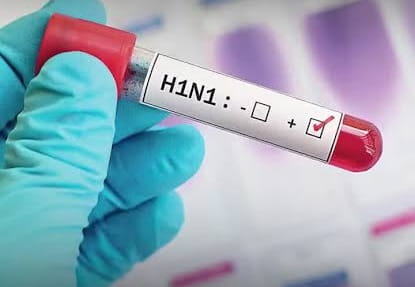
The State Health Department is stepping up surveillance and hospital preparedness after eight of 11 samples tested at RIMS, Ranchi, returned positive for H1N1, while officials stress that there is no need for panic.
Cases of influenza A (H1N1) and H3N2 seasonal influenza have been reported in several states, including Delhi, Karnataka, Kerala, Maharashtra and Rajasthan. Representational file image. | Photo Credit: Getty Images/iStockphoto
Eight Positive, Vigilance Intensified
Jharkhand’s health authorities have moved into heightened surveillance after eight people tested positive for H1N1 influenza, commonly known as swine flu. All eight positives were detected this month at Rajendra Institute of Medical Sciences (RIMS), Ranchi, where 11 samples were examined. Six of those infected have recovered, while two remain under treatment.
The department has advised civil surgeons, medical colleges and district surveillance officers to maintain close watch, screen suspected cases and ensure isolation facilities are ready.
Preparedness Across Hospitals
All district hospitals and medical colleges have been instructed to earmark at least 10 isolation beds for suspected and confirmed patients. Hospitals have also been directed to maintain adequate supplies of masks, PPE kits, essential medicines, oxygen equipment and ventilators.
Testing for H1N1 and H3N2 is available at RIMS in Ranchi and MGM Medical College and Hospital in Jamshedpur. Outpatient departments have been asked to screen patients presenting with influenza-like illness (ILI) and severe acute respiratory infection (SARI).
Monitoring Beyond Hospitals
Under the Integrated Disease Surveillance Programme, ILI and SARI cases are being monitored across districts and reported daily. Authorities have also been instructed to maintain vigilance at major public locations, including airports, railway stations and bus stands.
Preparedness, Not Panic
State NHM director Shashi Prakash Jha has emphasised that the alert is precautionary, aimed at early detection and preventing further transmission rather than signalling a panic situation. The department has urged people to take persistent fever, cough, sore throat or breathing difficulty seriously and seek medical advice.
For now, the emphasis is clear: early detection, adequate hospital capacity and sustained surveillance will determine how effectively Jharkhand contains the emerging H1N1 concern.
If you value our journalism, consider making a voluntary contribution to help us continue bringing news, stories and information to our readers.
Scan the QR code to contribute

Every contribution, big or small, is appreciated.