Administrator
03 September 2026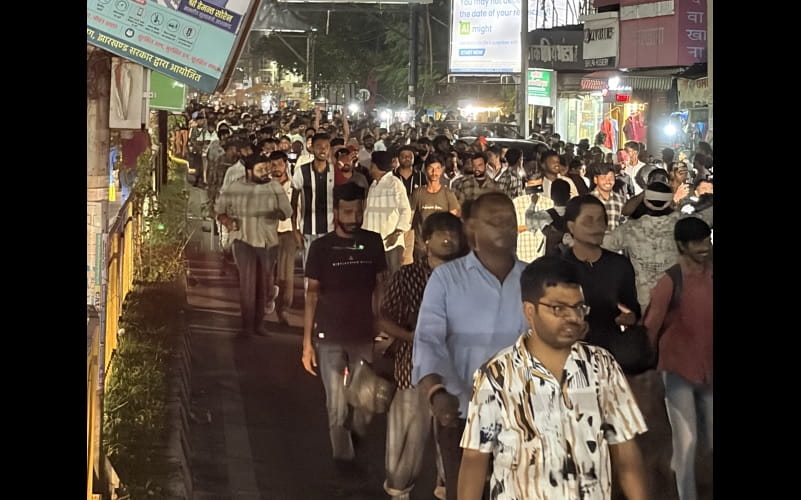
Has the student protest ended? Or is it still on? The answer lies rooted in the State government’s decision to cancel the JSSC-CGL examination and recruitment tests conducted by TDPL has addressed a central demand of the protesting aspirants.
Yet, the wider question of accountability and reform remains unresolved while most student protesters were watching the response of the higher judiciary.
A Major Demand Met
The Jharkhand government announced the cancellation of the Jharkhand Staff Selection Commission-Combined Graduate Level (JSSC-CGL) examination, along with all recruitment tests conducted by outsourced agency TSR Data Processing Pvt Ltd (TDPL) since 2014, including results published through the agency.
The decision followed a prolonged student agitation over alleged irregularities in recruitment examinations.
Chief Minister Hemant Soren announced the decision after a marathon Cabinet meeting, while also acknowledging the need to strengthen the examination system.
16-Day Hunger Strike Ended
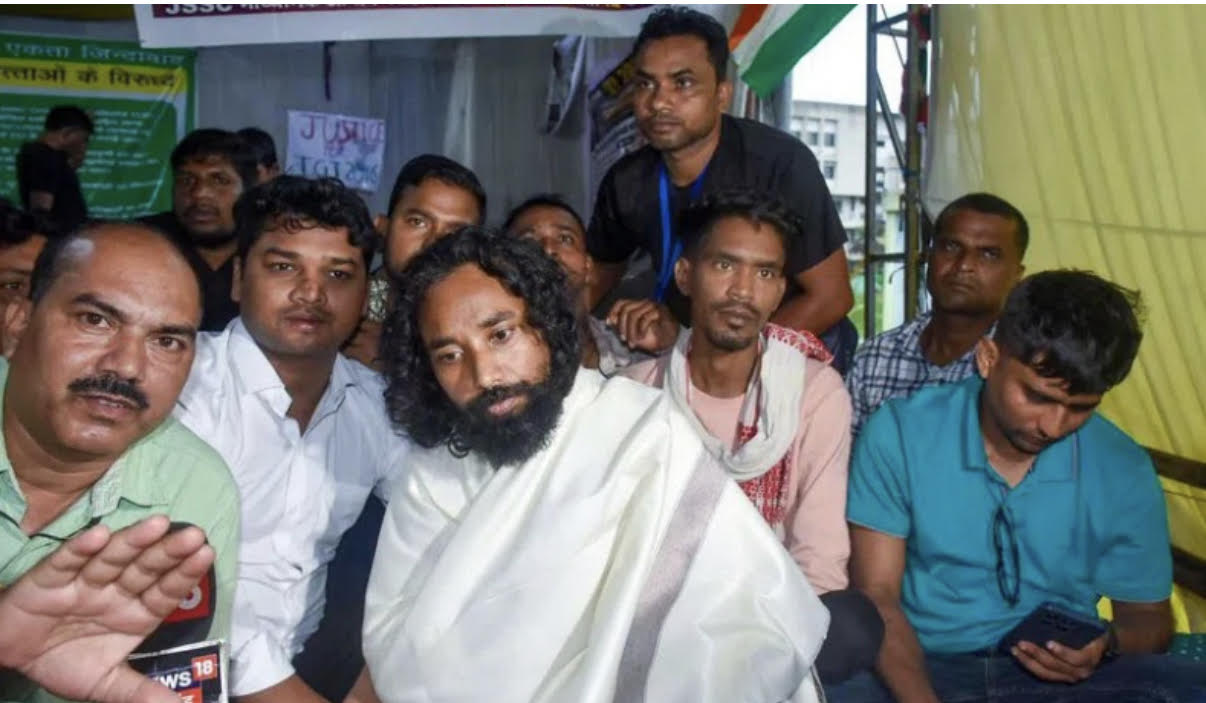
Student leader Devendra Nath Mahto, who had been on hunger strike for 16 days, ended his fast around midnight following the government’s announcement. Five other protesters, however, continued their hunger strike, leaving the larger agitation at a delicate juncture.
The announcement was greeted by celebrations among students at the protest site, with demonstrators waving the Tricolour. Activist Sonam Wangchuk also congratulated Mahto over a video call, describing the development as a victory.
Reform Now on the Agenda
Alongside the cancellations, the government constituted an exam reforms committee headed by senior IAS officer Amitabh Kaushal. Its mandate is to recommend measures to strengthen the recruitment examination process.
From Protest to Implementation
The government’s decision marks a significant response to the students’ demands, but it does not by itself settle every question raised by the controversy. The next phase will hinge on how the promised reforms are designed, how investigations into alleged irregularities proceed and whether the recruitment system can restore confidence among aspirants.
Protest Not Entirely Over
The government’s decision brought a major shift to the agitation, but it did not close the issue altogether. Devendra Nath Mahto ended his 16-day hunger strike, while the JPSC-JSSC Reforms Manch maintained that the demand for an independent CBI investigation into the alleged examination irregularities remained unmet. The continuing divide underscored that cancellation of the examinations was only one part of the students’ demands.
The Next Test: Accountability
The government’s response has moved the dispute from the streets towards investigation and reform. But for the agitation to fully recede, students are looking for more than cancelled examinations: they want accountability for alleged irregularities and safeguards against their recurrence.
The coming phase will therefore be measured not simply by whether the protests subside, but by whether the promised investigations and reforms produce a recruitment system that aspirants can trust.
For the students, therefore, the issue is moving from whether their concerns will be heard to how those concerns will be acted upon. All eyes are on the long arm of the higher judiciary, the Supreme Court and the High Court of Jharkhand, where the petitions seeking justice await judgement.
Source: https://jharkhandheadlines.com/jharkhand-high-court-jtdc-employee-service-regularisation-2001/
If you value our journalism, consider making a voluntary contribution to help us continue bringing news, stories and information to our readers.
Scan the QR code to contribute

Every contribution, big or small, is appreciated.