Administrator
08 September 2026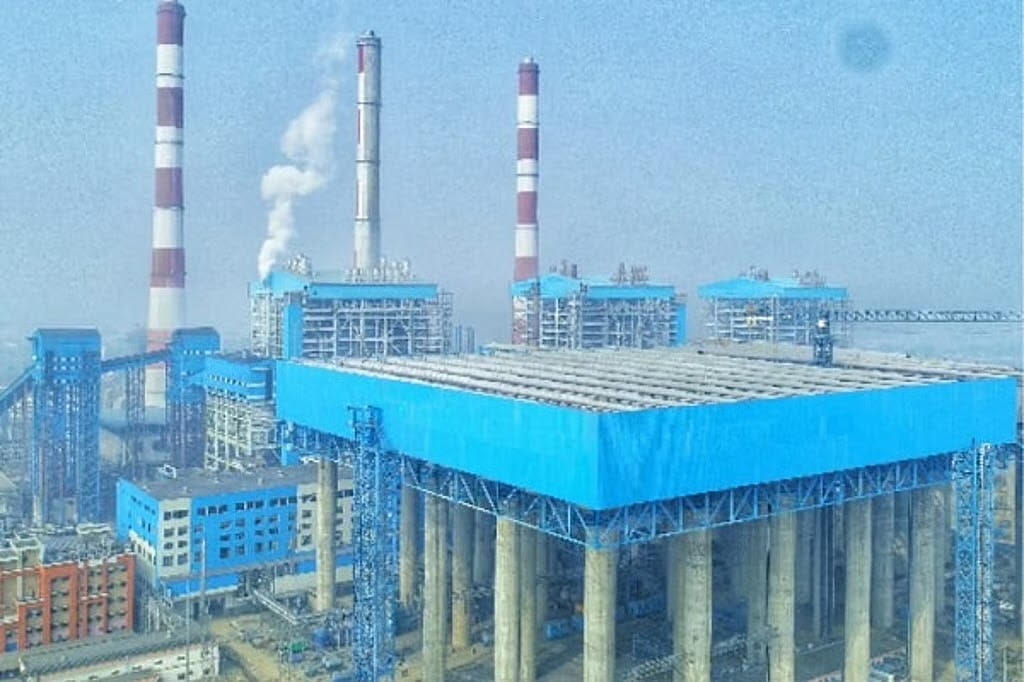
Representational Pic
The government is accelerating coal movement to thermal power plants as critically low inventories spread, with monsoon-related disruptions in key coal-producing States such as Odisha, Jharkhand and Chhattisgarh, adding pressure to an electricity system still heavily dependent on coal.
India is ramping up rail shipments of coal to power plants as fuel stocks at several generators fall to critically low levels, the coal ministry said Monday.
Critical Stocks Rise
The number of power plants holding less than 25% of their required coal inventory, or enough fuel for fewer than three days of generation, rose to 58 by September 5, from 46 at the end of August. Of these, 53 are domestic coal-fired plants, according to Central Electricity Authority data.
The government is closely monitoring the affected plants and has initiated corrective supply measures to ease the pressure.
Rail Movement Accelerates
Coal loading for power plants has increased steadily since September 3. The number of railway rakes deployed rose from 370 on September 3 to 444 on September 6, as Coal India, its subsidiaries and private mines increased dispatches.
The acceleration comes against a difficult monsoon backdrop. Heavy rainfall in Odisha, Jharkhand and Chhattisgarh has disrupted mining activity and slowed coal transportation, tightening supplies even as power demand remains significant.
A Supply Chain Under Pressure
Coal continues to account for roughly three-quarters of India’s electricity generation, making reliable fuel movement central to grid stability. The immediate challenge is therefore not simply coal availability at the mine, but getting sufficient quantities to plants when they are needed.
At the same time, Coal India reports 76 million tonnes of coal at its pitheads, indicating that the pressure is partly a matter of moving available fuel efficiently to plants facing shortages.
The Test Is Timely Delivery
The government’s response is now focused on closing the gap between coal at the source and coal at the power plant. With monsoon disruptions continuing to test mining and logistics, the effectiveness of accelerated rail movement will be measured by whether it can rebuild plant inventories quickly enough to keep generation secure and the grid resilient.
If you value our journalism, consider making a voluntary contribution to help us continue bringing news, stories and information to our readers.
Scan the QR code to contribute

Every contribution, big or small, is appreciated.