Administrator
21 September 2026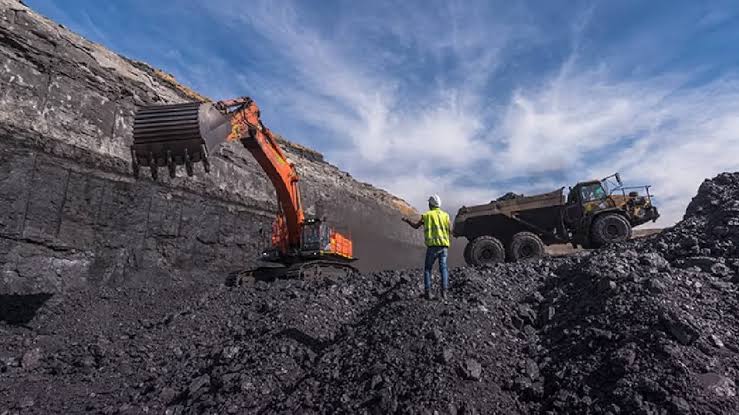
Representational Pic
A sustained enforcement drive across the coal belts of Jharkhand and West Bengal has resulted in the recovery of more than 10,000 tonnes of illegal or pilfered coal, as the CISF steps up action against theft and unauthorised extraction from mines under its security cover.
10,000 Tonnes Recovered Since July
The Central Industrial Security Force has recovered more than 10,000 tonnes of illegal or pilfered coal during special operations conducted over the past two months. The coal, valued at crores of rupees, was recovered as part of efforts to curb theft, pilferage and unauthorised handling of the mineral.
The operations have also led to the apprehension of several vehicles and people allegedly linked to illegal coal activity.
Stronger Powers Under MMDR Act
The intensified campaign follows the Union government’s authorisation of the CISF as a designated agency to conduct search and seizure operations under the Mines and Minerals (Development and Regulation) Act, 1957.
In July, Union Home Minister Amit Shah directed the force to undertake a “zero coal leakage” operation against organised networks and criminals involved in coal theft.
Around 12,000 CISF personnel have been deployed to guard 10 coal-mining units across the two neighbouring States.
Focus Extends Across the Coal Belt
CISF Director General Praveer Ranjan, during a three-day review visit, inspected security arrangements and met officials and management of mining companies, including BCCL in Dhanbad and ECL in Sheetalpur, Asansol.
Security of the Amrapali open-cast mine in Chatra has also been entrusted to the CISF.
The force is additionally planning short-term courses at IIT (ISM) Dhanbad covering mining safety, security and cybersecurity for its personnel.
The Real Measure Is Sustained Control
The recovery marks a significant enforcement effort, but the wider challenge remains persistent. The effectiveness of the drive will ultimately depend on whether intelligence-led searches, legal action and strengthened mine security can disrupt illegal extraction and movement consistently—not merely recover coal after it has already entered the illicit chain.
The Test Is What Happens Next
Recovering 10,000 tonnes of coal is a significant enforcement outcome, but the larger measure of success lies beyond the seizures. The real test will be whether sustained surveillance, stronger legal powers and coordinated enforcement can disrupt the networks that enable illegal extraction and movement—and ensure that coal reaches its legitimate destination rather than being diverted along the way.
Accountability Must Follow the Seizures
The recovery of more than 10,000 tonnes of coal is only one part of the enforcement equation. The sharper question is whether those behind its illegal extraction, storage and movement are identified and prosecuted, and whether the systems that allowed the leakage to occur are held to account. Sustained action, not isolated seizures, will determine whether the crackdown can deliver lasting control over the coal belt.
Source: https://dailypioneer.com/news/cisf-recovers-10000-tonnes-illegal-coal-jharkhand-west-bengal
If you value our journalism, consider making a voluntary contribution to help us continue bringing news, stories and information to our readers.
Scan the QR code to contribute

Every contribution, big or small, is appreciated.