Administrator
24 September 2026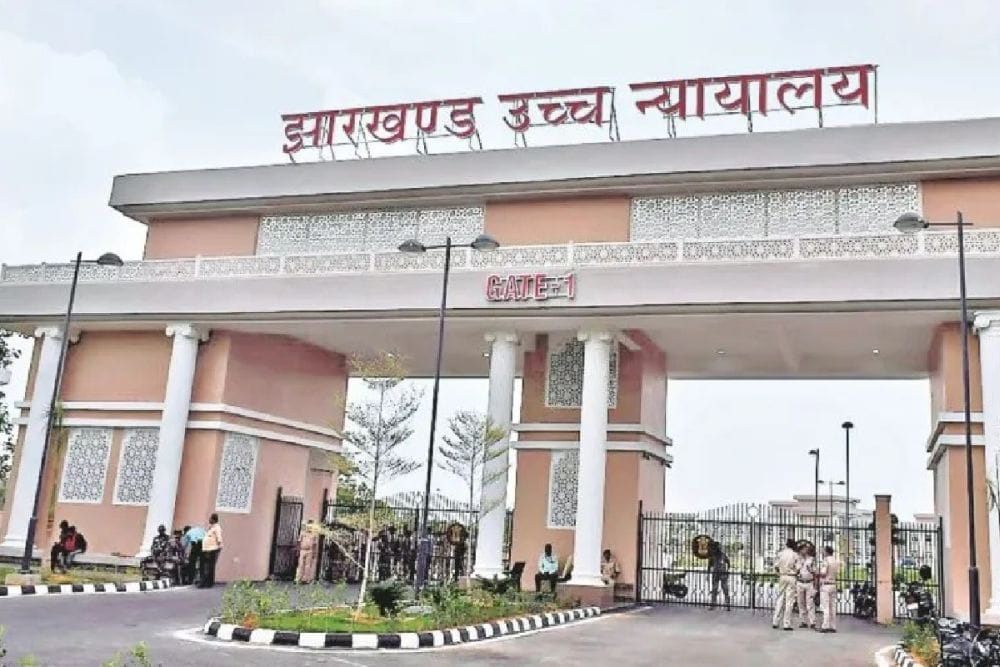
The Jharkhand High Court’s intervention over the suspension of internet services during the JGGLCCE examination has placed a clear judicial check on the State’s power to disrupt connectivity, while also raising questions about the proportionality and procedure of such shutdowns.
Court Seeks Immediate Restoration
A division bench of Justices Ananda Sen and Anubha Rawat Choudhary directed the State government to immediately restore internet services across Jharkhand. It further ordered that internet services must not be suspended for any examination in the future without the prior leave of the High Court.
The order followed a PIL challenging the shutdown imposed during the Jharkhand General Graduate Level Combined Competitive Examination. The State had initially suspended services between 8 am and 1.30 pm on September 21.
From Mobile Data to a Complete Shutdown
The proceedings also brought a significant discrepancy to light. While the government had initially indicated that only mobile data had been suspended, telecom authorities informed the court that the subsequent order covered the entire internet network, including broadband, FTTH and leased lines.
For September 22, the suspension period was also modified to 4 am to 3.30 pm. The State told the court that intelligence inputs received the previous night had prompted the wider restriction.
The court summoned Home Secretary Vandana Dadel, who produced the relevant file and standard operating procedures. The file was taken into the court’s custody, with a copy provided to the Home Secretary.
A Question of Proportion and Procedure
The court observed that the subsequent action had gone beyond what it understood the earlier shutdown to entail and described the extension as an overreach of its judicial order. It also sought the State’s response on the legal provisions and policy governing such restrictions.
The Larger Test: Safeguarding Both Exams and Access
The ruling establishes that examination security cannot be separated from the legal safeguards governing public access to communication. Any future restriction will therefore have to withstand judicial scrutiny on its authority, scope and procedure—making due process central to the balance between preventing malpractice and preserving connectivity.
If you value our journalism, consider making a voluntary contribution to help us continue bringing news, stories and information to our readers.
Scan the QR code to contribute

Every contribution, big or small, is appreciated.