Administrator
26 September 2026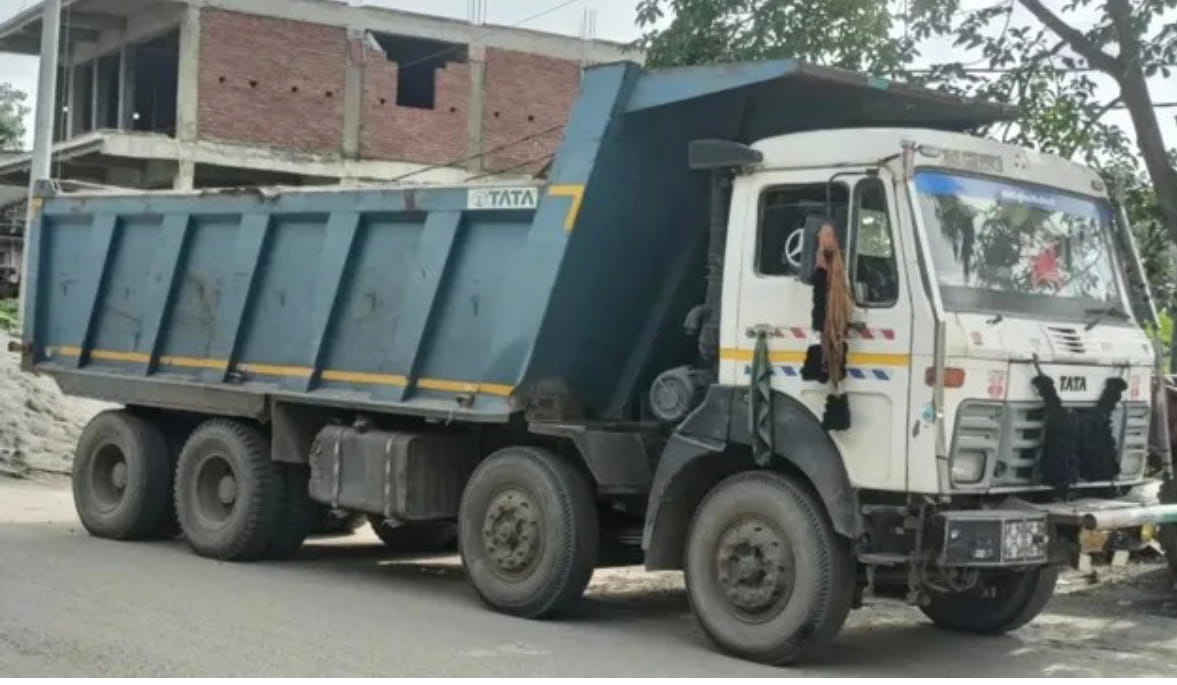
Representational Pic
Palamu’s position among Jharkhand districts recording a high number of vehicle seizures linked to illegal mineral transportation has brought renewed attention to enforcement on the roads—and to the challenge of ensuring that mineral movement is backed by valid documents, lawful extraction, and the revenue due to the State.
Action taken against 24,322 vehicles in the state over five years.
Seizures Put Enforcement in Focus
The district has emerged third in the State in the seizure of vehicles involved in illegal mineral transportation, according to data cited in the report. The figure places Palamuamong districts where enforcement agencies have had to maintain sustained scrutiny of vehicles carrying minerals.
The issue extends beyond the vehicles themselves. Illegal transportation can involve movement without the required permits or documentation and can affect government revenue while making the supply chain difficult to monitor.
Roads Become the Enforcement Frontline
Recent action in Chhatarpur illustrates the scale of the challenge. Finance Minister Radhakrishna Kishore conducted a late-night inspection of vehicles on the main road, during which three overloaded vehicles lacking required documents were seized. Coal and stone-chip-laden vehicles were among those intercepted, with GST officials and other authorities present.
Earlier enforcement in the area had also resulted in vehicles being seized in connection with alleged illegal mineral transportation. Jharkhand’s mineral rules empower designated officials to stop, inspect and seize vehicles carrying minerals where violations are found.
Revenue Is Part of the Equation
The enforcement question is therefore not limited to traffic violations. Proper documentation, lawful extraction, transport compliance and tax collection form an interconnected chain. Breaks at any point can affect both regulatory oversight and State revenue.
The Real Test Is Continuity
A seizure establishes enforcement; sustained scrutiny establishes control. For Palamu, the larger measure will be whether road checks are followed by verification of mineral sources, documentation, taxation and accountability across the supply chain. Only consistent enforcement can ensure that mineral movement remains within the law—and that public resources translate into legitimate public revenue.
From Seizures to Systemic Control
Every vehicle seized is a breach brought into the open, but the larger challenge lies in ensuring that such breaches do not simply shift elsewhere.
Palamu’s enforcement record must translate into sustained scrutiny of where minerals are extracted, how they are documented, who transports them and whether the State receives the revenue due to it.
The real measure of enforcement will not be the number of vehicles stopped, but whether illegal mineral movement becomes progressively harder to operate, conceal and profit from.
If you value our journalism, consider making a voluntary contribution to help us continue bringing news, stories and information to our readers.
Scan the QR code to contribute

Every contribution, big or small, is appreciated.