Administrator
07 October 2026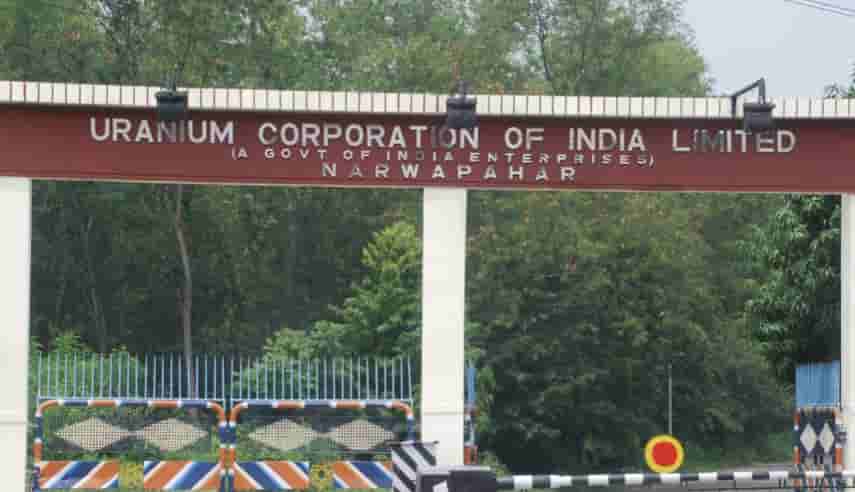
In Jharkhand’s uranium country, two narratives now stand alongside each other. UCIL says the ore is exceptionally low-grade and therefore produces relatively low radiation, rejecting a link between mining and illnesses reported in surrounding communities. A 2025 peer-reviewed study, however, says the health experiences of residents living close to Jadugoda’s mines deserve far greater investigation. The issue, therefore, is not about choosing a narrative—it is about establishing the evidence.
The Low-Grade Argument
UCIL Chairman-cum-Managing Director Kacham Anand Rao has said Jharkhand’s uranium ore yields only 200–300 grams of uranium per tonne of ore. According to him, its low-grade nature means low radiation output, and he cited scientific studies that, in UCIL’s view, have found no connection between its operations and ailments such as cancer, skin disease or congenital deformities.
What the Community Study Found
A 2025 study in Discover Global Society examined 37 residents and four health workers across three villages adjoining the Jadugoda mining area. Participants reported chronic respiratory problems, skin diseases, cancers, congenital disabilities, reproductive-health problems and severe psychological distress. The study also records community concerns about exposure from inadequately protected tailings.
Importantly, the researchers describe their work as a qualitative study of lived experiences; it does not, by itself, establish that uranium mining caused these illnesses. They explicitly call for larger, mixed-method research combining health data, environmental assessment and radiation monitoring.
The Evidence Must Go Deeper
That distinction matters. Low-grade ore and measured radiation levels are important scientific facts—but so are persistent community health concerns. Neither should be dismissed without rigorous examination.
Public Health Must Be the Common Ground
The way forward is not assertion versus allegation, but evidence versus uncertainty. Independent long-term health surveillance, transparent radiation and environmental monitoring, safe tailings management, stronger local healthcare and support for affected families can turn a contested question into an answer grounded in science.
When livelihoods, national energy needs and public health meet, the strongest response is not silence or suspicion—it is evidence that communities can trust.
https://link.springer.com/article/10.1007/s44282-025-00233-1
If you value our journalism, consider making a voluntary contribution to help us continue bringing news, stories and information to our readers.
Scan the QR code to contribute

Every contribution, big or small, is appreciated.