Administrator
07 October 2026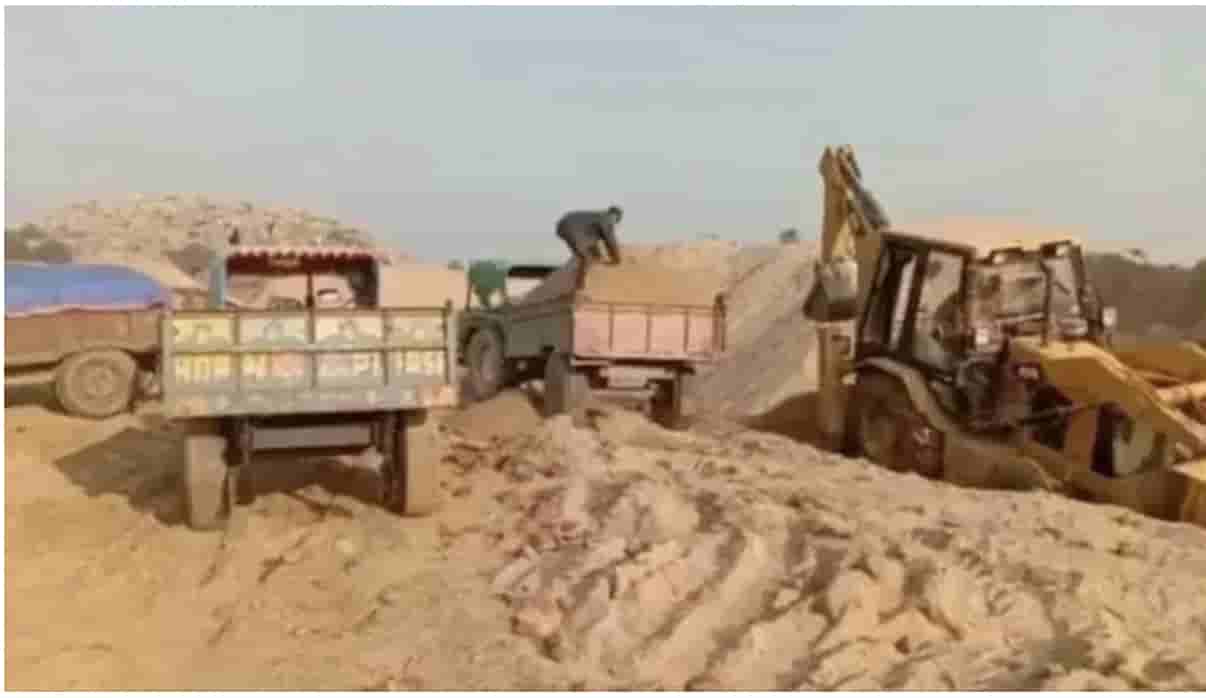
Jharkhand has abundant sand, yet legal supply remains scarce. Four months after 302 of the state’s 444 sand ghats were auctioned, only 14 across six districts are currently able to supply sand legally. The gap between auctioning a resource and actually making it available exposes a larger challenge: while builders face high rates, putting a burden on developers, governance must complete the journey from policy to the citizen at ground zero.
The NGT ban will be lifted from October 15, after which mining will resume, reports say.
Yet, A Supply Chain Still Waiting
The auctions, conducted in June 2026 after a long gap, were designed to bring more organised sand mining into operation. Initially, groups of 20 ghats were offered; these were later reduced to groups of 10 to enable bidders with fewer resources to participate. Yet 288 auctioned ghats remain non-operational.
Five Clearances, One Bottleneck
Successful bidders must secure five key approvals: environmental clearance, Forest Department NOC, Circle Officer’s report, Gram Sabha permission in Scheduled Areas, and Consent to Operate from the Jharkhand State Pollution Control Board. Until these are obtained, auctioned does not mean operational.
The NGT’s seasonal restriction on sand extraction is scheduled to end on October 15, after which authorities expect the process of opening more ghats to accelerate.
The Cost of Scarcity
The state has set an ambitious ₹3,500-crore annual revenue target from sand. But revenue, legal supply and affordable sand are interconnected: the government earns only when ghats operate, while consumers benefit only when legitimate supply reaches the market at reasonable prices.
From Auction to Access
The challenge is not merely to auction sand ghats; it is to make the system work transparently, legally and efficiently from clearance to extraction to delivery.
A natural resource is valuable only when its governance creates public value. Jharkhand’s sand story therefore calls for a simple measure of success: not how many ghats are auctioned, but how many function lawfully, sustainably and ultimately make sand accessible without feeding scarcity or illegal trade.
If you value our journalism, consider making a voluntary contribution to help us continue bringing news, stories and information to our readers.
Scan the QR code to contribute
Every contribution, big or small, is appreciated.