
Administrator
22 October 2026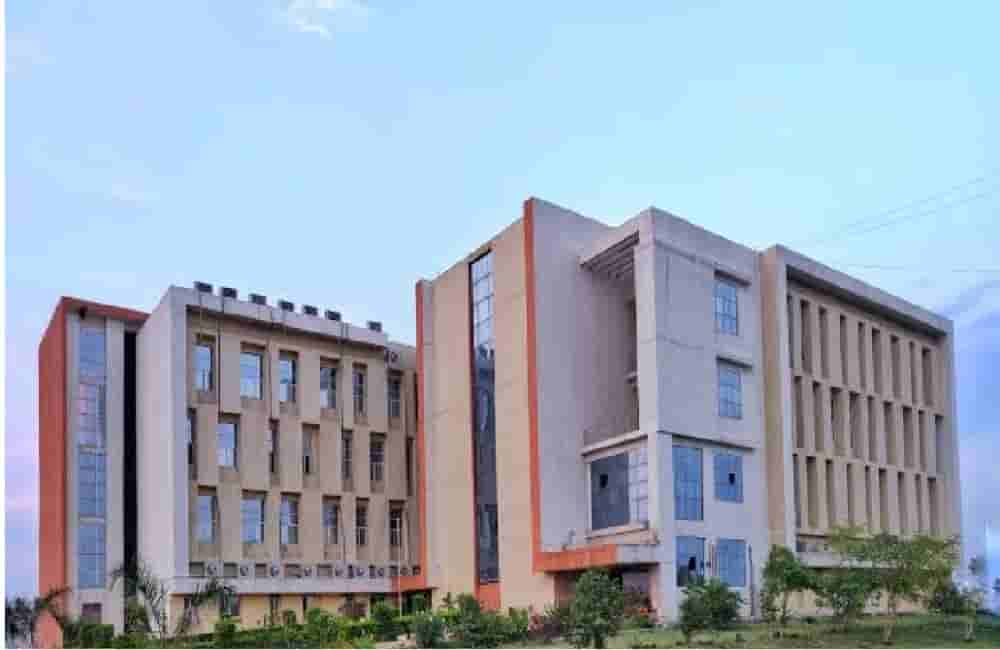
The National University of Study and Research in Law (NUSRL), Ranchi, is making sustained efforts to preserve and promote Jharkhand’s cultural heritage, traditional art forms and indigenous products through Intellectual Property Rights (IPR).
A significant achievement in this direction is the Geographical Indication (GI) registration of Jharkhand’s traditional musical instrument, the Mandar. The University is also working towards securing GI recognition for Pyatkar Painting of East Singhbhum and Deoghar Peda, with the application processes already completed and the applications undergoing the relevant procedures.
Through its Department for Promotion of Industry and Internal Trade (DPIIT) IPR Chair, NUSRL seeks to combine legal expertise, cultural preservation and the interests of local producer communities. The initiative aims to facilitate legal protection for traditional products whose unique identities are linked to specific geographical regions, local traditions and communities.
*GI Registration of Mandar: Recognition of Jharkhand’s Cultural Identity*
The GI registration of Mandar marks an important milestone in the preservation and promotion of Jharkhand’s cultural heritage. An integral part of the state’s folk music, traditions and community life, Mandar represents Jharkhand’s rich cultural identity and traditional artistic expression.
The GI application for Mandar, bearing Application No. 777, was filed on 24 September 2021 in the name of Raidih Mandar Producer Company Limited.
NUSRL Ranchi played an important institutional and collaborative role in the process by contributing to research, documentation, legal and procedural assistance, stakeholder coordination and engagement with the GI Registry.
Dr. Satyadeep Singh, an intellectual property rights expert and visiting faculty member of the University, also contributed to the documentation, procedural requirements, submissions before the Registry and hearing-related work associated with the application.
The GI registration is expected to strengthen the recognition of traditional artisans and producer communities associated with Mandar. Such protection can help establish the product’s geographical identity, increase awareness of its traditional characteristics and contribute to the preservation of Jharkhand’s cultural heritage.
*Pyatkar Painting and Deoghar Peda: Efforts Towards GI Recognition Continue*
Building on its work on Mandar, NUSRL Ranchi is pursuing GI-related initiatives for two other distinctive traditional products of Jharkhand Pyatkar Painting of East Singhbhum and Deoghar Peda.
*Pyatkar Painting of East Singhbhum*
Pyatkar Painting is an important part of Jharkhand’s traditional artistic expression and cultural heritage. Its preservation requires systematic documentation of its distinctive artistic features, geographical association and the contribution of the communities that have sustained this traditional art form.
The GI application for Pyatkar Painting of East Singhbhum, bearing Application No. 712, was filed on 9 October 2020. NUSRL is working on research, documentation, legal follow-up and procedural requirements associated with the application, with the objective of facilitating appropriate legal protection for this traditional art form.
*Deoghar Peda*
NUSRL Ranchi is also working on the GI application for Deoghar Peda, a traditional food product associated with Deoghar, Jharkhand, and recognised for its distinctive local identity and cultural significance.
The GI application for Deoghar Peda, bearing Application No. 1043, was filed on 10 January 2023. The application is currently subject to the relevant examination and registration procedures. The University is supporting the process through research, documentation and procedural follow-up.
*DPIIT IPR Chair: Connecting Intellectual Property Protection with Local Development*
The DPIIT IPR Chair at NUSRL Ranchi plays an important role in promoting awareness, research and protection of intellectual property rights in Jharkhand. Its activities include identifying traditional products with potential for protection, documenting relevant information, assisting with application preparation and providing guidance on the legal procedures associated with intellectual property protection.
Under the IP Champion MSME Scheme, an IP Facilitation Centre (IPFC) also operates under in university. The centre aims to facilitate awareness and access to intellectual property-related support for eligible stakeholders, including micro, small and medium enterprises (MSMEs).
Through legal research, IPR expertise and coordination with local producer communities, the University is working towards developing a stronger intellectual property ecosystem in Jharkhand.
*Supporting Traditional Communities Through Legal Guidance*
NUSRL recognises that intellectual property protection extends beyond obtaining registration. It involves identifying traditional products, documenting their historical and geographical associations, consulting relevant communities, preparing legally appropriate applications and complying with the examination and registration procedures.
The University encourages traditional artisans, producer groups, cooperatives, community organisations, entrepreneurs and other stakeholders in Jharkhand to approach the DPIIT IPR Chair for preliminary guidance on GI registration and other appropriate forms of intellectual property protection. Such assistance will be subject to applicable legal provisions and the University’s institutional mandate.
Through these initiatives, NUSRL aims to help traditional products and their associated communities secure appropriate legal support and wider recognition, while promoting cultural preservation, local livelihoods and sustainable development.
*Vice-Chancellor’s Statement*
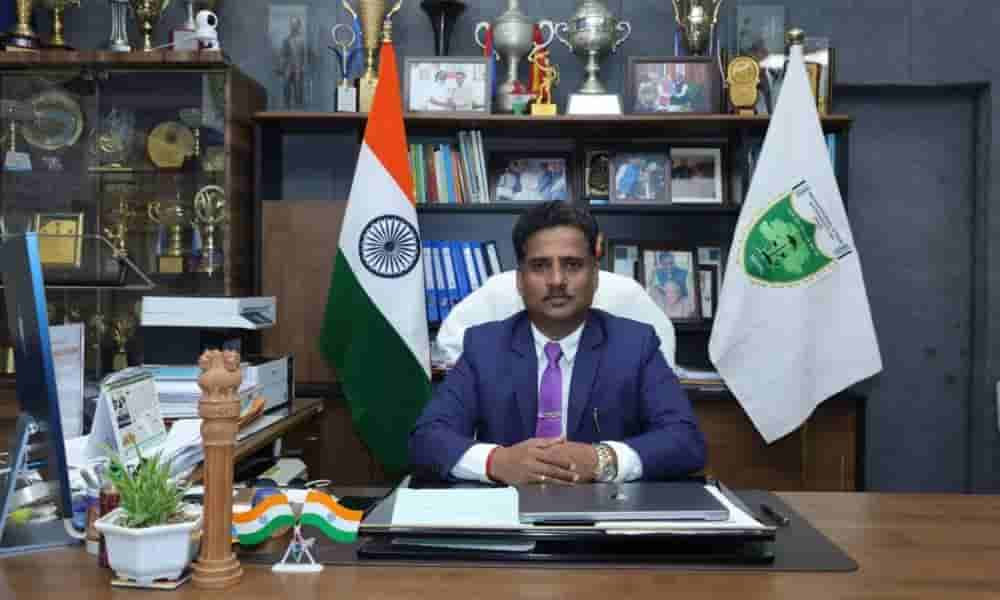
Prof. (Dr.) Ashok R. Patil, Vice-Chancellor of NUSRL Ranchi, said, “The University is continuously working to ensure that the culture, traditions and heritage of Jharkhand receive wider recognition at the national and international levels.
Through Intellectual Property Rights (IPR) and Geographical Indication (GI) mechanisms, we are working towards strengthening the identity of the state’s traditional products and cultural expressions. Our efforts are aimed at preserving this invaluable heritage while supporting the communities that have sustained it over generations.”
If you value our journalism, consider making a voluntary contribution to help us continue bringing news, stories and information to our readers.
Scan the QR code to contribute

Every contribution, big or small, is appreciated.