Administrator
27 November 2026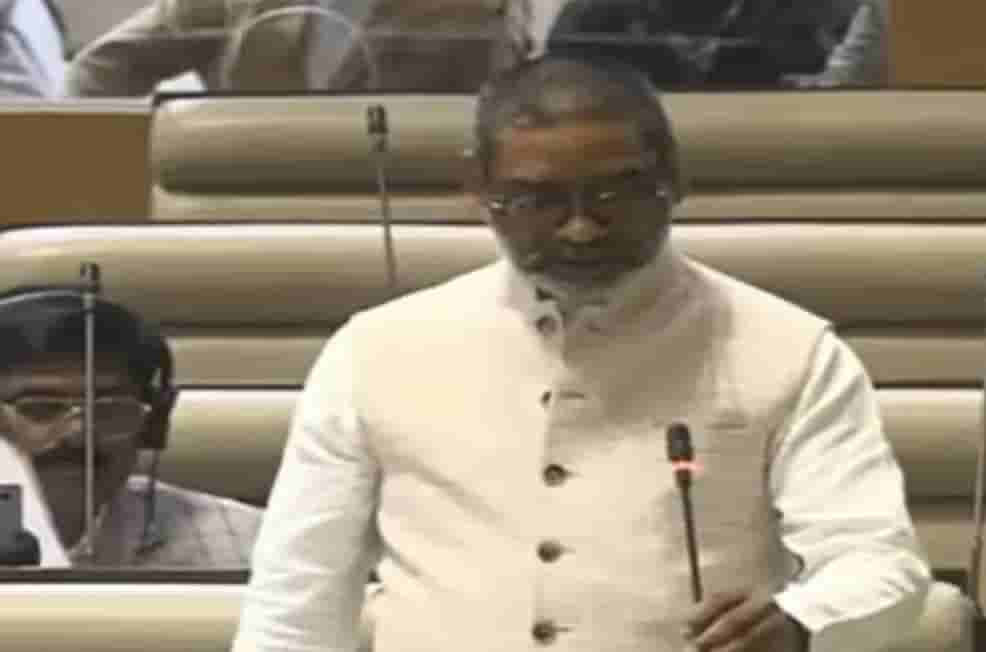
It is part of political economy. The battle over mineral revenues has brought the question of fiscal federalism and the rights of mineral-rich states to the centre of Jharkhand’s political debate. Chief Minister Hemant Soren has argued that the Centre’s amendments to the Mines and Minerals (Development and Regulation) Act, 1957, could substantially reduce the state’s revenue and weaken its ability to compensate communities bearing the social and environmental costs of mining.
STATE RESOLUTION PASSED IN SPECIAL SESSION
On 26 November, the second day of the Jharkhand Assembly’s two-day special session, Soren moved a government resolution seeking reconsideration and withdrawal of the amended MMDR Act, 2026. The Assembly passed the resolution.
The Chief Minister estimated that the amendments could cost Jharkhand approximately ₹13,000 crore in annual revenue, affecting funding for healthcare, education, social security, women’s empowerment and rural development.

THE DISPUTE OVER MINERAL-BEARING LAND
The state’s position rests on the Supreme Court’s July 2024 nine-judge Constitution Bench verdict, which recognised states’ authority to tax mineral-bearing land under Entry 49 of the State List.
Jharkhand subsequently enacted the Mineral Bearing Land Cess Act, 2024, intending to mobilise around ₹13,000 crore for development and welfare in mining-affected regions. The Centre’s August 2026 amendments restrict states from imposing taxes, cesses and other levies on mineral rights and mineral-bearing land, and also affect outstanding dues.
Soren argued that Adivasi, Dalit and other disadvantaged communities already face displacement, land alienation, environmental degradation and social disruption due to mining. Mineral wealth, he maintained, must generate tangible benefits for these communities.
A CONTESTED QUESTION OF FEDERAL RIGHTS
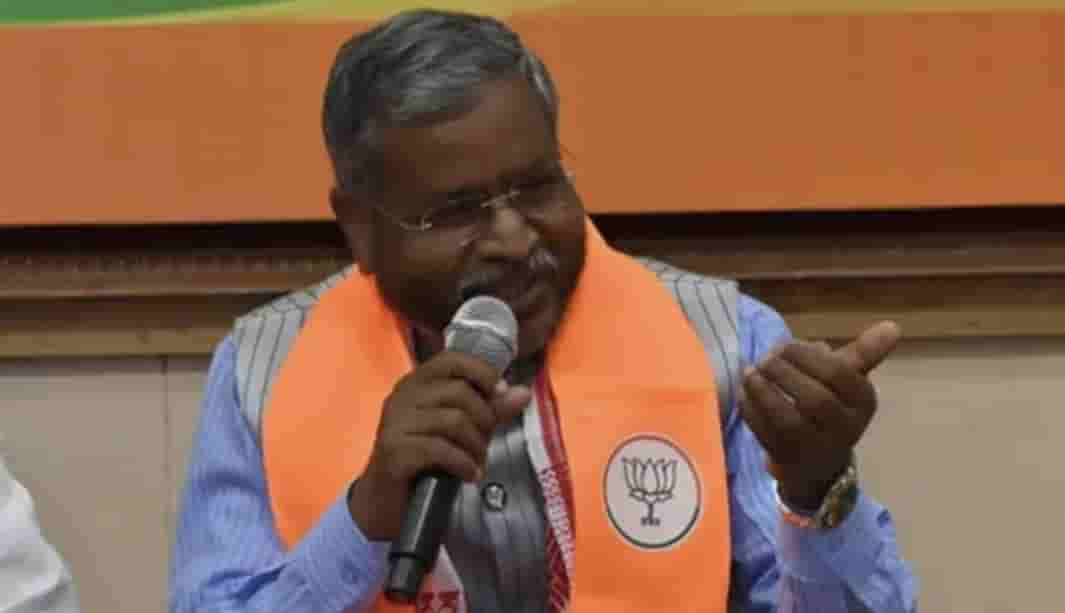
The Opposition challenged the government’s assessment. Leader of Opposition Babulal Marandi termed the resolution politically motivated and questioned the state’s revenue projections, defending the amendments as necessary for uniformity and preventing arbitrary levies.
MINERAL WEALTH MUST DELIVER SHARED PROSPERITY
The larger question extends beyond revenue collection: who benefits from natural resources, and who bears their costs? A sustainable mining policy must balance national economic interests, states’ constitutional powers, environmental responsibility and the rights of affected communities. Jharkhand’s mineral wealth must translate into lasting development for its people.
If you value our journalism, consider making a voluntary contribution to help us continue bringing news, stories and information to our readers.
Scan the QR code to contribute

Every contribution, big or small, is appreciated.