

Administrator
21 July 2026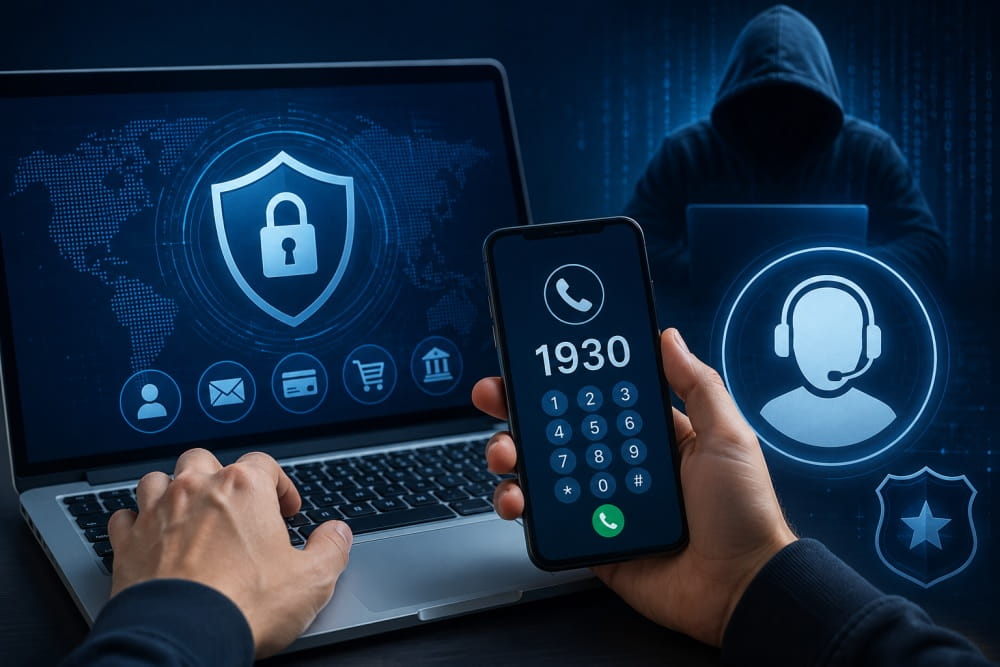
The Ministry of Home Affairs (MHA) has launched the National Cybercrime Reporting Portal (www.cybercrime.gov.in) and a National Cybercrime Helpline number “1930”.
The banks through the public facing platform ‘SACHET’ portal and the State Level Coordination Committee (SLCC) facilitate the citizens for lodging of any complaints against specific entity related to deposit/ collection of money illegally.
RBI and Banks have been taking up awareness campaigns through short SMS, radio campaign, publicity on prevention of ‘cyber-crime’. Further, RBI has been conducting electronic-banking awareness and training (eBAAT) programmes which focuses on awareness about frauds and risk mitigation.
This move was meant to safeguard the interests of consumers and facilitate citizens to report cyber incidents, including illegal loan apps. A pack of information toward this end was given by the Minister of State in the Ministry of Finance Shri Pankaj Chaudhary in a written reply to a question in Lok Sabha on July 20, 2026.
In addition, based on several review assessments, various regulatory and supervisory interventions are learnt to have been taken from time to time which, inter alia, include the following:
If you value our journalism, consider making a voluntary contribution to help us continue bringing news, stories and information to our readers.
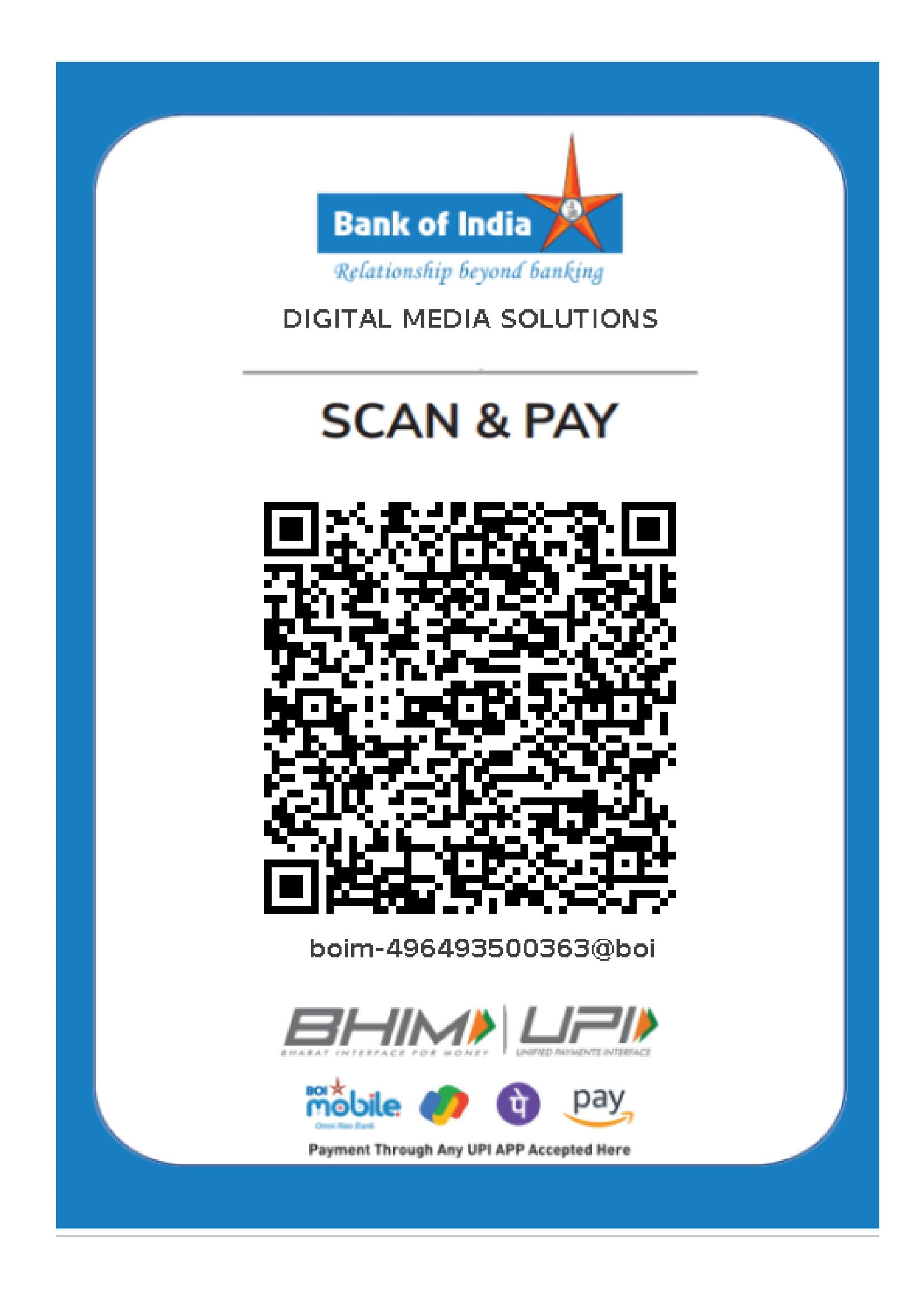
Scan the QR code to contribute
Every contribution, big or small, is appreciated.