Administrator
17 April 2026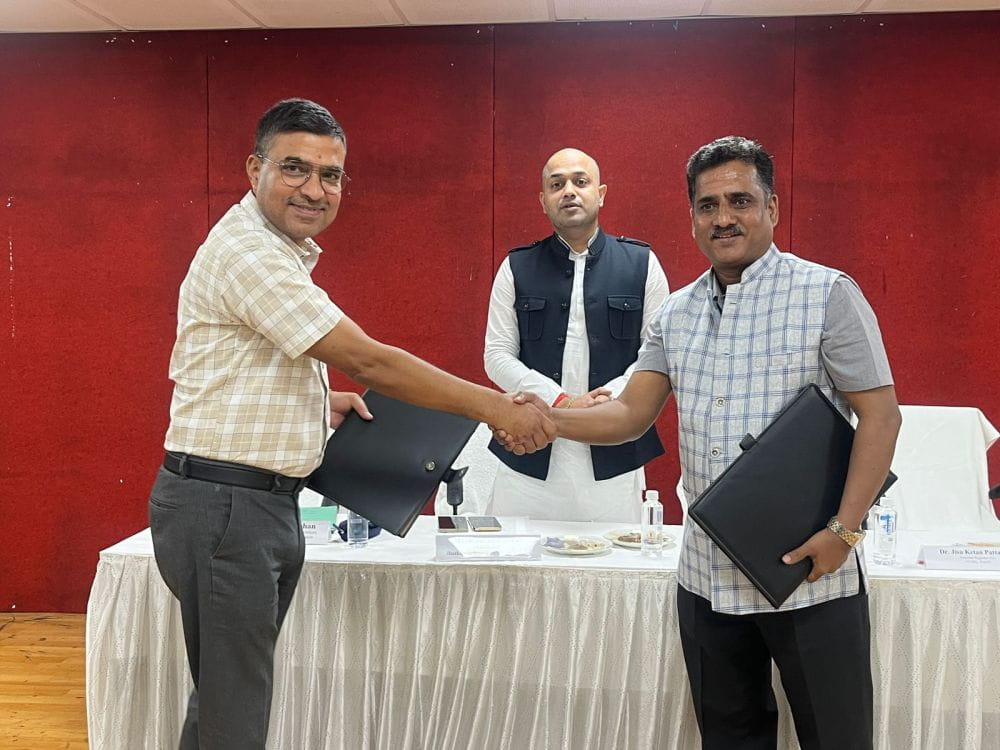
Ranchi: The National University of Study and Research in Law (NUSRL), Ranchi, in collaboration with the National Commission for Women (NCW), New Delhi, successfully organised the Regional Law Review Consultation (Eastern Zone) on April 17, 2026.
The consultation was conducted in hybrid mode as part of NCW’s annual law review initiative for the financial year 2025–2026, focusing on the Sexual Harassment of Women at Workplace (Prevention, Prohibition and Redressal) Act, 2013.
The programme commenced with an inaugural session where the Chief Guest, Hon’ble Mr. Justice Ambuj Nath (Retd.), Former Judge of the High Court of Jharkhand emphasised the need for strict institutional compliance with the POSH framework and procedural fairness in inquiry processes.
The Guest of Honour, Mr. Praveen Pushkar, IPS, Rural Superintendent of Police, highlighted the importance of awareness and accessible complaint mechanisms.
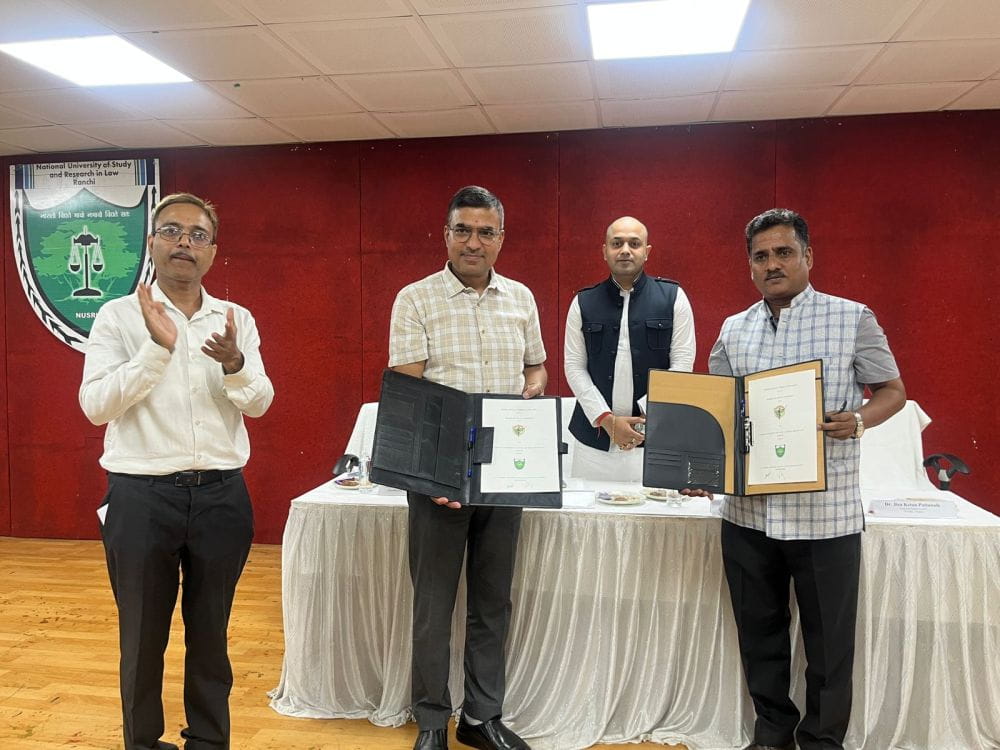
The session also included a welcome address by Prof. (Dr.) Ashok R. Patil, Hon’ble Vice Chancellor, NUSRL, and an address by Mr. Pallav Pal, representative of the NCW, who underscored the Commission’s ongoing efforts in reviewing the implementation of the POSH Act across regions, identifying systemic gaps, and strengthening institutional accountability through consultative processes.
This was followed by an address by Dr. Julian Seal Pasari, Programme Coordinator, who outlined the objectives and structure of the consultation.
The consultation focused on a region-specific assessment of the implementation of the POSH Act across the Eastern and North-Eastern states, including Jharkhand, Bihar, West Bengal, Odisha, Chhattisgarh, and the North-Eastern region.
Deliberations engaged with issues such as the functioning of Internal and Local Committees, procedural challenges in inquiry processes, jurisdictional ambiguities, and emerging concerns arising from digital, gig, and hybrid work environments.
Participants highlighted implementation gaps, particularly in informal and unorganised sectors, where limited awareness, social stigma, and institutional constraints hinder access to effective remedies. Discussions also addressed the need to revisit statutory provisions in light of evolving workplace realities, including cyber-enabled harassment and evidentiary challenges in digital contexts.
The consultation witnessed participation from a wide range of stakeholders from the Eastern and North-Eastern states in hybrid mode, both online and offline.
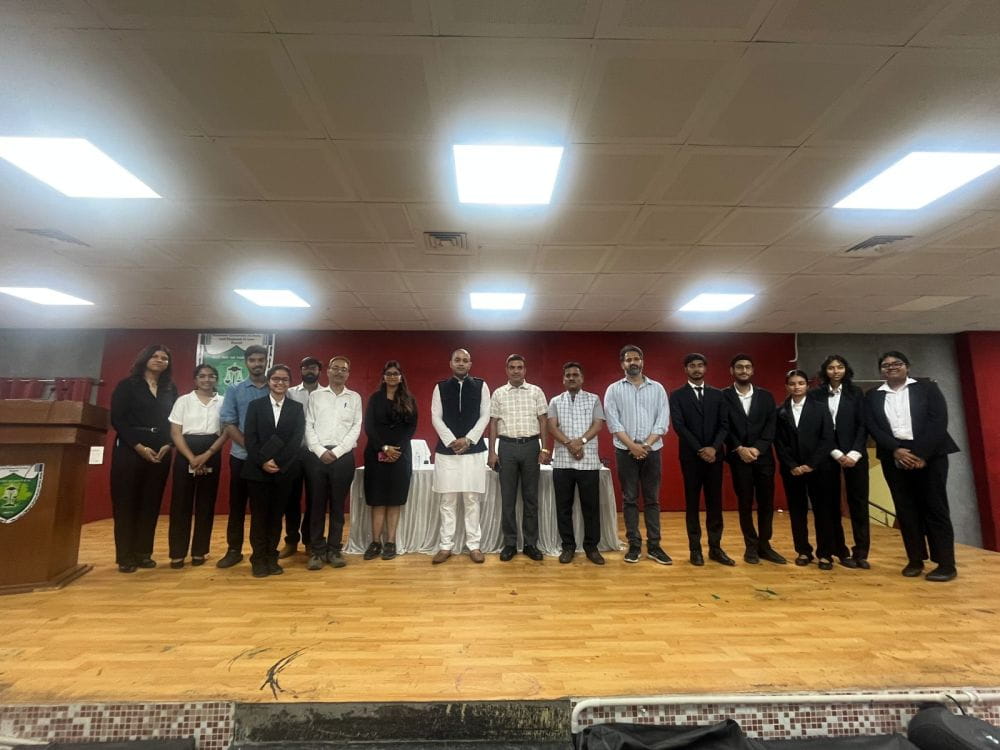
The deliberations were enriched by eminent resource persons from the judiciary, academia, legal practice, public administration, the corporate sector, and interdisciplinary fields, including professionals from the medical and forensic sciences, sociology, and law. Participants included representatives from NGOs, shelter homes, corporate foundations, and State Women’s Commissions, providing both grassroots and institutional perspectives.
The programme concluded with the adoption of key resolutions based on the deliberations, aimed at addressing identified gaps in the implementation of the POSH Act.
These resolutions will inform the National Commission for Women’s ongoing law reform process and contribute to provision-specific recommendations for strengthening the legal and institutional framework governing workplace sexual harassment.
If you value our journalism, consider making a voluntary contribution to help us continue bringing news, stories and information to our readers.
Scan the QR code to contribute

Every contribution, big or small, is appreciated.