Administrator
05 June 2026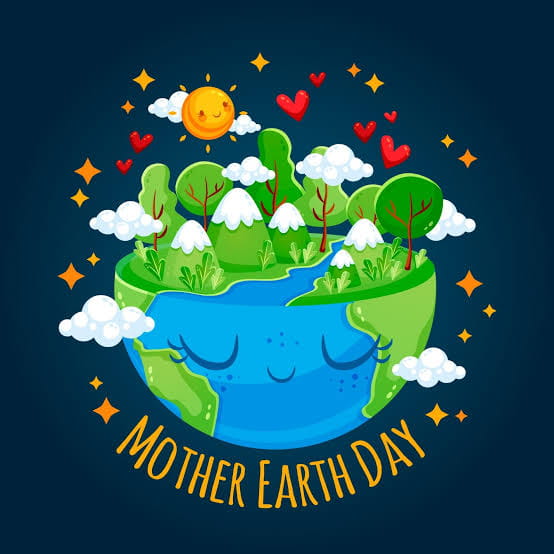
*Picture courtesy humanitarianglobal.com
Intro: Climate change affects all. The question is, are we listening to the ones who feel it first?
On a summer afternoon, during a recent field visit, I stepped out of the car to cool off under the shade. Nearby, women worked a nearly dry hand pump, drawing the last drops of water for their families. One paused, offered me a drink, and casually said, "Jharkhand mein kabhi itna garam nahi hota tha" It had never been this hot before.
Behind her, a home decorated with lively tribal art stood. Children sat on its steps, watching an empty courtyard where they once played freely. The rising heat had altered their routines - walking to school was harder, and enduring lessons in overheated classrooms was now a daily struggle. Climate change is reshaping childhood. Today, many children face interruptions to the simple pleasures due to extreme heat, water shortages, and environmental stress. They are growing up amid a climate crisis they did not create.

Laxmi Saxena, water & sanitation officer, UNICEF
Every year on June 5, the world marks World Environment Day, a time to reflect on our relationship with Earth and the choices influencing our future. This year, with UNEP's #NowForClimate campaign, that reflection feels more urgent. Signs of distress - drying water sources, rising temperatures, and disrupted childhoods - are evident now. Children are among the first affected, but the question remains: are adults paying attention?
THE BURDEN THEY DID NOT EARN
India is among the countries most vulnerable to climate impacts, while nearly one-third of its population is under the age of 14. Children are highly vulnerable to the climate and environmental crises, especially those who live in rural and low-income communities, with an anticipated eightfold increase in exposure to extreme heatwaves and significant risks from floods, wildfires, and cyclones. These climate-induced challenges worsen vulnerabilities impacting their health, education, and access to safe water. A generation is paying the price for a crisis it did not create. This is not a statistic. This is a moral emergency.
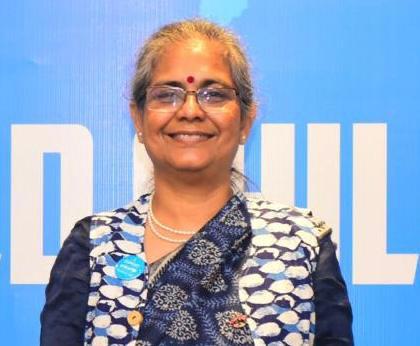
Dr Kaninika Mitra, Chief, UNICEF, Jharkhand
CHILDREN LEADING THE ACTION
Children are not waiting for adults to act. Across India, they are taking small but meaningful steps in their schools, homes and communities.
In Jharkhand, children are leading by example. In Dumka, Eco Club students transformed school waste into a vermicomposting unit and used the proceeds to install drip irrigation. In West Singhbhum, a school-led sapling plantation drive inspired more than 2,000 schools across the district to join, resulting in over 100,000 saplings being planted. In Dhanbad, children used murals to promote water conservation, prompting conversations that reached beyond classrooms and into homes. In Ranchi, ECO Clubs members worked with recyclers to turn plastic waste into notebooks and sports equipment.
Demonstrating sustainable water management, schools in Ranchi have installed drip irrigation systems to efficiently nurture their nutrition gardens while conserving every drop of water. Proactive students in Ranchi conducted comprehensive energy audits in their schools to monitor electricity consumption and promote energy-efficient practices. Led by student-driven Eco Clubs, schools in East Singhbhum successfully executed water audits to track daily usage, plug leakages, and minimize water wastage across campuses. Empowered youth in Bokaro and Hazaribagh undertook systematic solid and liquid waste audits to scientifically assess garbage generation and establish zero-waste school environments.
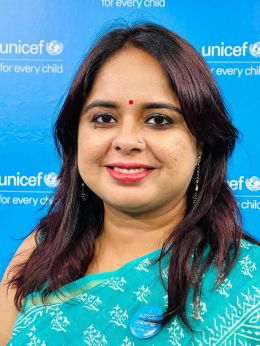
Astha Alang, Communication Specialist, UNICEF
These are not isolated efforts. Nearly 41,000 schools across Jharkhand now have functional Eco Clubs, and more than 18lakh saplings have been planted through school-led initiatives. The message is clear: children are not waiting for change—they are helping lead it.
These children are not waiting for the world to act. They are already acting — with the seriousness this moment demands.
BUILDING THE MOVEMENT
Children's leadership does not emerge in isolation. It grows when schools, communities and institutions create spaces for young people to participate and lead.
Children cannot and certainly should not carry the burden of solving a crisis they did not create. Their actions matter, but meaningful climate action requires leadership and investment from governments, institutions and communities.
In Jharkhand, the Government has demonstrated its commitment by embedding climate resilience within the education system, including climate-resilient indicators in school assessment and recognition frameworks. By establishing and orienting thousands of Eco Clubs across the state, schools are increasingly serving as spaces that promote environmental stewardship and empower children to act as informed change agents.
These efforts recognise that while young people can inspire change, it is the responsibility of adults and institutions to create the policies, systems and resources needed to secure a sustainable future and act upon it.
Across Jharkhand, UNICEF works with the Government, schools and communities to support Eco Clubs, Bal Sansads and other child-led initiatives like Jal Sena that help young people understand the links between climate change, health, education and child rights. The aim is not just awareness, but action.
UNICEF also engages with universities and academic institutions to ensure climate action reaches the spaces where future leaders, researchers and policymakers are being shaped. Because climate change is not only an environmental issue—it is a child rights issue, affecting children's health, education, access to safe water and their future opportunities.
When young people act together — in classrooms, on campuses, in communities — they do not just change habits. They change what is considered normal.
STRENGTHENING THE MOVEMENT
The response to climate change must be as broad as the challenge itself.
Governments must strengthen climate education, include children in adaptation planning and ensure schools are resilient to climate shocks. Universities and research institutions must continue generating evidence and preparing future leaders to respond to a rapidly changing world. Communities, families and citizens must recognise that every climate decision is also a decision about children's futures.
Young people can contribute through simple actions: conserving water, reducing waste, avoiding single-use plastics, planting and protecting trees, choosing sustainable transport where possible and encouraging others to do the same. Multiplied across India's nearly 400 million young people, these actions become a powerful force for change.
The children planting trees, recycling waste, conserving water and speaking up in their communities are already sending their powerful signal back.
On this World Environment Day, the question is whether we will honour it and act now because children won’t get a second childhood.
By Dr Kaninika Mitra, Astha Alang & Laxmi Saxena
*The authors are the Chief of Field Office, Communication Specialist & WASH Officer of UNICEF Jharkhand
If you value our journalism, consider making a voluntary contribution to help us continue bringing news, stories and information to our readers.
Scan the QR code to contribute

Every contribution, big or small, is appreciated.