Administrator
02 October 2026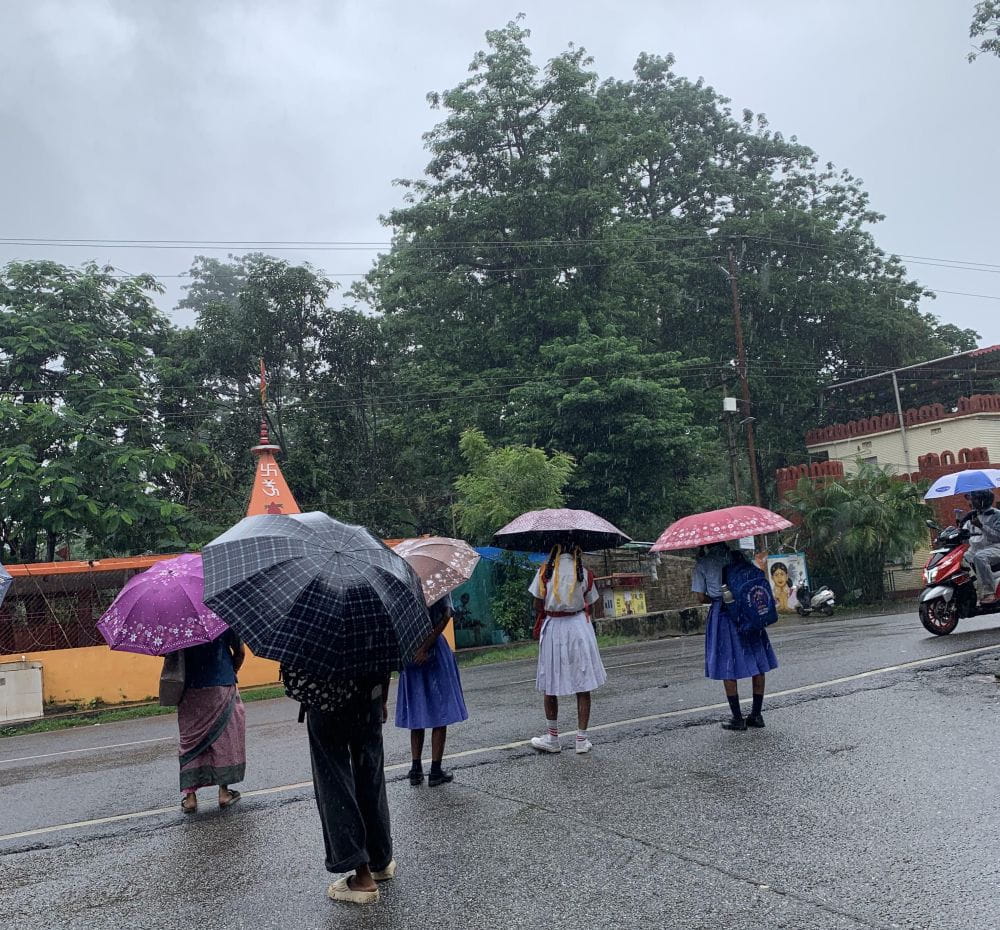
Most agriculture experts have described the monsoon season in Jharkhand as ‘normal overall’, with state-wide rainfall only about 2 percent below the long-term average during the official June-to-September period.
• The state recorded about 1,005 mm of rainfall against the normal average.
• Despite the overall normal rating, uneven distribution led to 8 districts facing drought-like conditions or dry zones, with Pakur experiencing particularly severe water deficits.
This was expected to keep the farmers more or less satisfied with their paddy harvesting, not a feature common in all areas in this state.
The capital city of Ranchi received around 1,215 mm of rain, which was roughly 18 percent above its normal average.
However, agricultural productivity and reservoir levels in Jharkhand are understood to be in a state of high vulnerability due to some monsoon deficits, El Niño-induced climatic shocks, and a chronic lack of irrigation infrastructure.
Largely because over 80% of Jharkhand’s gross cropped area remains entirely unirrigated and dependent on the monsoon, the state relies heavily on rain-fed mono-cropping, leaving farmers highly exposed to erratic seasonal rainfall and depleting surface water bodies.
According to data from the Central Water Commission (CWC) and the Jharkhand Water Resources Department, many major dams—such as the Tenughat Dam in Bokaro—have witnessed active live storage volumes falling sharply. During severe dry spells, average storage across state reservoirs plummeted to just 40% of their total capacity.
If you value our journalism, consider making a voluntary contribution to help us continue bringing news, stories and information to our readers.
Scan the QR code to contribute

Every contribution, big or small, is appreciated.