Administrator
08 November 2026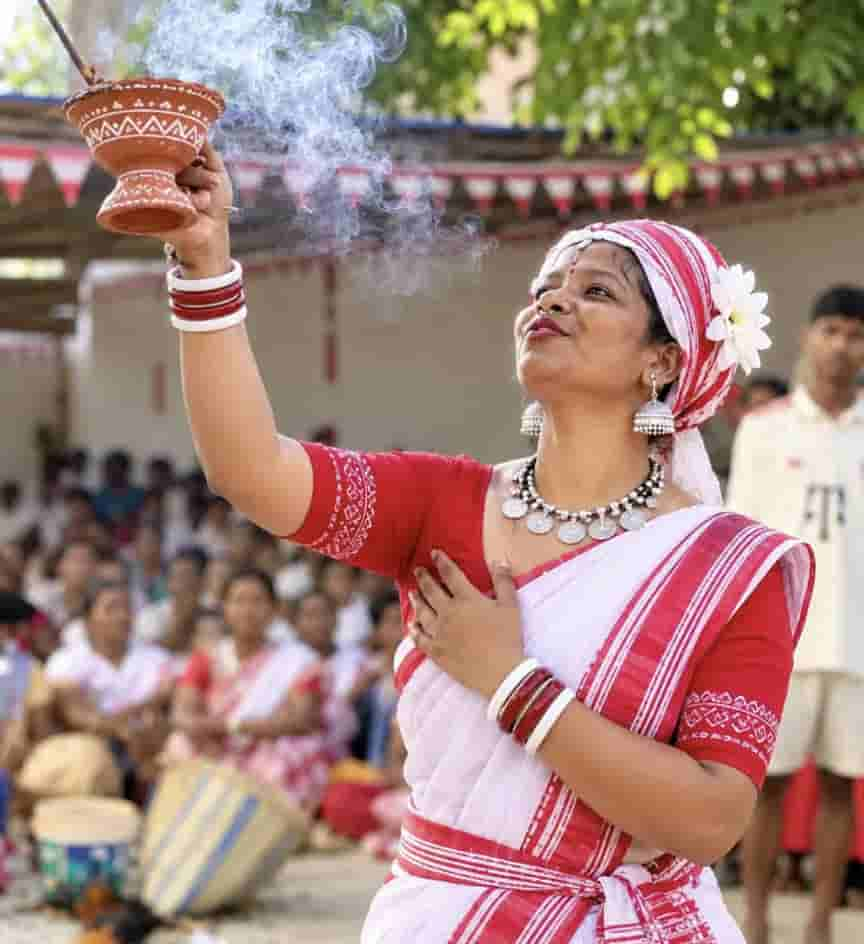
*Picture courtesy facebook.com shows Nisha Kumari Bhagat who had shared her picture on Facebook
The death of tribal activist Nisha Kumari Bhagat in Ranchi, shortly after an emotional Facebook Live broadcast, has brought renewed attention to concerns over tribal rights, alleged land-related harassment and the protection available to those who raise their voices. Her allegations and the circumstances surrounding her death have prompted demands for an impartial investigation.
A Distressing Final Broadcast
Bhagat, around 38, originally from Gumla, was known for her work on tribal identity, culture, the Sarna faith and the protection of jal-jangal-zameen. She was also associated with the Jharkhand Loktantrik Krantikari Morcha and had contested the 2024 Assembly election from Gumla.
In an approximately 11-minute Facebook Live session on November 6, she alleged harassment by land brokers and people connected with the administration. She spoke of seeking security and support, expressed disappointment over the lack of response to her grievances and appeared visibly distressed. She also raised concerns about online harassment and issues affecting tribal identity.
Police Investigation and Demand for CBI Probe
Police found her dead at her Ranchi residence and registered an unnatural death case. No suicide note was recovered. Ranchi Rural SP Gaurav Goswami said all aspects, including her video, reported conversations and complaints, were being examined. Further action will depend on the investigation and post-mortem findings.
Her father, Handu Bhagat, has demanded a CBI inquiry, alleging the involvement of influential people. The BJP has also sought a CBI probe, while CPI(ML) Liberation has called for a fair investigation. A symbolic protest was planned by members of the tribal community before her last rites at Uru village in Gumla.
The Message: Every Voice Deserves to Be Heard
The tragedy calls for more than political exchanges. Allegations of intimidation and administrative inaction must be examined independently, with sensitivity and transparency. Protecting tribal rights also means ensuring that those who speak for their communities can seek help, be heard and access justice without fear.
If you value our journalism, consider making a voluntary contribution to help us continue bringing news, stories and information to our readers.
Scan the QR code to contribute

Every contribution, big or small, is appreciated.