Administrator
20 October 2026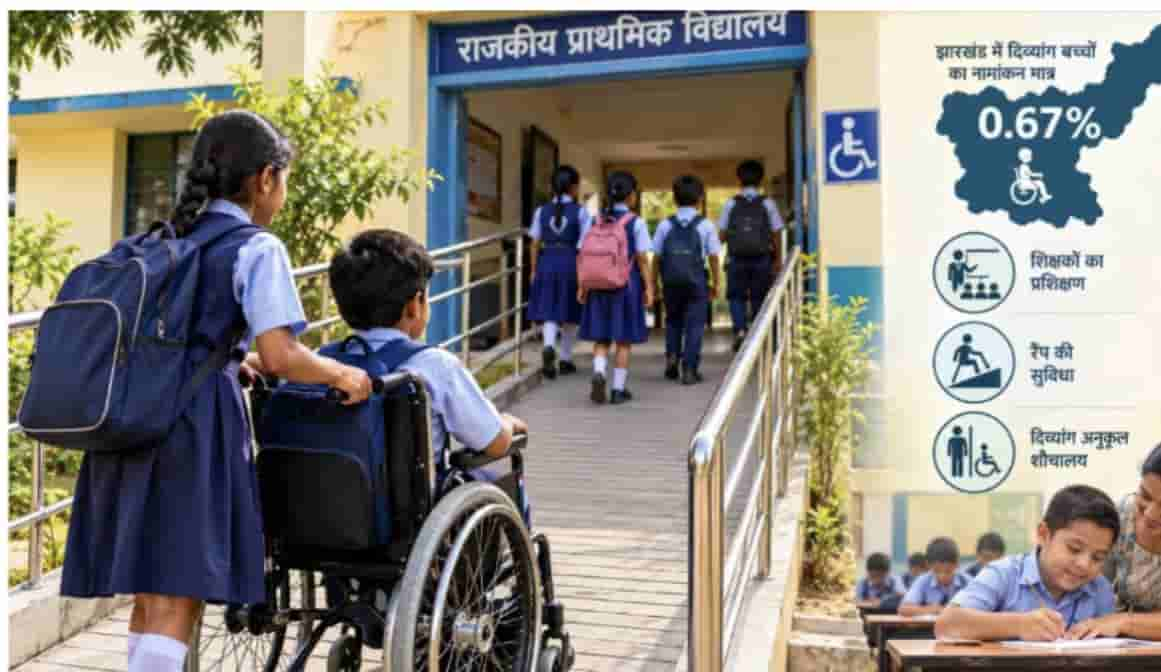
Education becomes truly inclusive when every child is not only admitted to school but also equipped to learn, participate and progress with dignity. Recent figures from Jharkhand reveal gaps in identification, teacher preparedness, and accessible infrastructure that call for sustained, coordinated action.
A Small Share, a Larger Question
According to figures cited in a review by the Union Ministry of Education, children with special needs account for just 0.67% of total enrolment in Jharkhand’s government schools. This represents their share of recorded enrolment, not the prevalence of disability among children in the state. The ministry has urged Jharkhand to strengthen identification and ensure that eligible children can access mainstream education under Samagra Shiksha.
Teachers Need the Tools to Include Every Learner
UDISE+ 2024–25 data indicate that only 6.19% of teachers are trained to teach children with special needs. Although 536 special educators have been appointed under the state’s inclusive education programme, several are posted at block resource centres. Their deployment and reach must be assessed to ensure that children receive meaningful support at school.
Training equips teachers to adapt teaching methods, recognise individual learning needs and create classrooms where differences do not become barriers to participation.
Access Must Extend Beyond the School Gate
Infrastructure remains another concern. Of the 44,367 schools covered by the reported data, 67.21% have ramps, while only 3,132 schools (6.07%) have disability-friendly toilets. These gaps can affect students’ ability to enter school buildings, move around safely and participate comfortably throughout the day.
The ministry has also recommended using the Prashast 2.0 app to support systematic identification of children with special needs, alongside stronger implementation of inclusive education measures.
Inclusion Must Be Measured by Opportunity
The National Education Policy 2020 and the Rights of Persons with Disabilities Act 2016 underscore the importance of equitable access to education. Turning these commitments into everyday reality requires early identification, trained teachers, accessible facilities and support that reaches children where they study.
A school is not truly inclusive simply because its doors are open. It is inclusive when every child can enter, learn, belong and fulfil their potential. Jharkhand’s next step must be to turn these gaps into a clear, measurable agenda for change.

If you value our journalism, consider making a voluntary contribution to help us continue bringing news, stories and information to our readers.
Scan the QR code to contribute

Every contribution, big or small, is appreciated.