Administrator
20 October 2026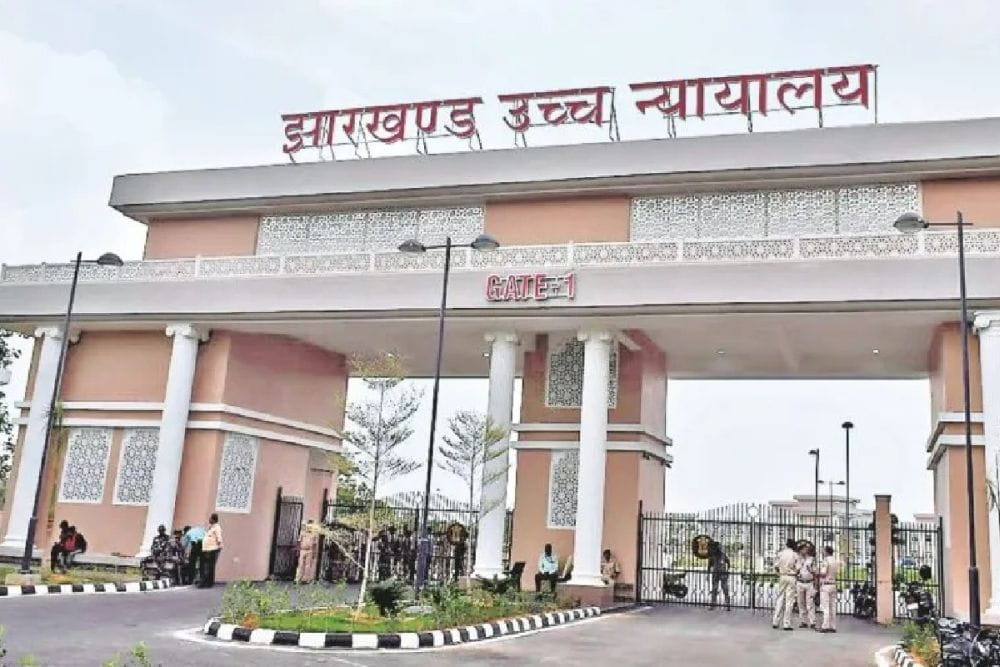
When a protest obstructs the functioning of a major industrial facility, the consequences extend beyond the immediate dispute. The Jharkhand High Court’s intervention in the Bokaro Steel Plant blockade underscores the need to protect essential operations while addressing grievances through lawful and constructive dialogue.
An Industrial Lifeline Disrupted
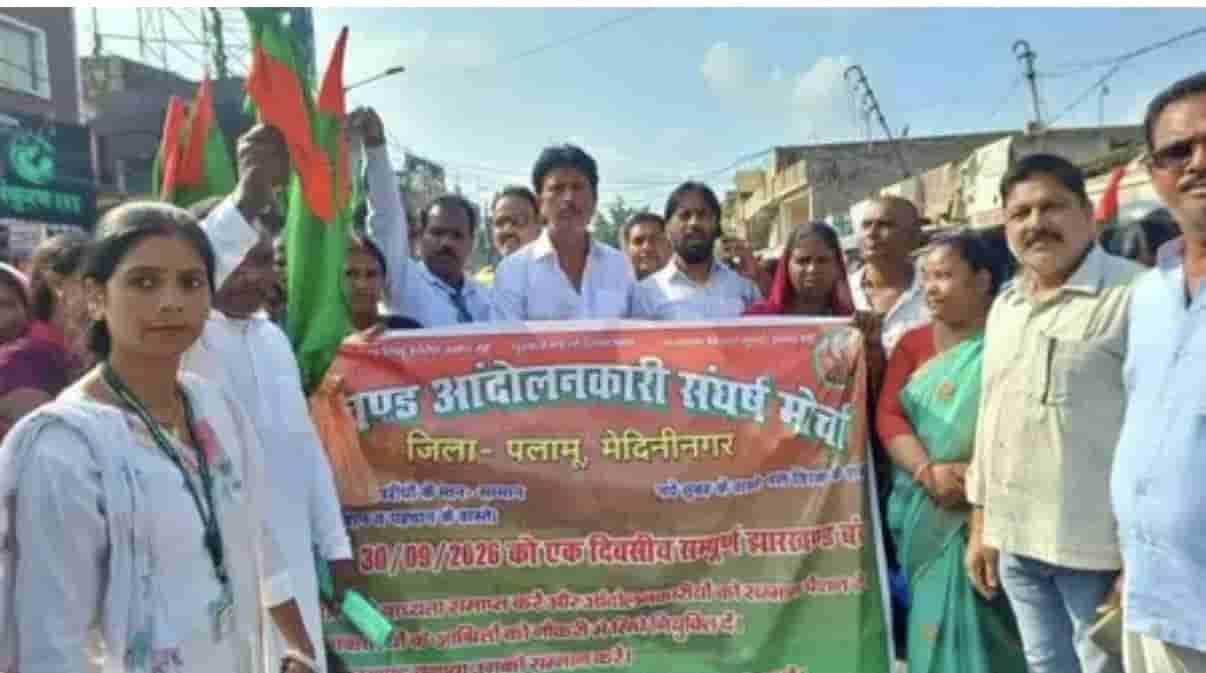
The Jharkhand High Court held a special hearing on 18 October 2026, during the Puja holidays, on a petition filed by the Steel Authority of India Limited (SAIL) over the blockade of Bokaro Steel Plant (BSL). The petition alleged that Bokaro MLA Shweta Singh and members of the Visthapit Apprentice Sangh had blocked all 11 gates, obstructing the movement of employees, maintenance personnel, raw materials and essential supplies. SAIL told the court that its representations to the district administration had not resolved the situation.
Administrative Assurance, Judicial Oversight
Justice Sujit Narayan Prasad took note of Deputy Commissioner Ajay Nath Jha’s assurance that effective measures would prevent further obstruction and allow employees to enter and leave the plant safely. Trusting the administration’s undertaking, the court deferred further consideration of the matter for the day instead of summoning the state Home Secretary.
According to subsequent reports, all 11 gates were reopened and movement resumed. The court directed the Deputy Commissioner and the Superintendent of Police to file affidavits confirming their statements. The case was listed for 28 October 2026.
The Grievance Behind the Protest
The agitation reflects continuing tensions surrounding employment claims by displaced persons and apprentices associated with the steel plant. These concerns deserve a fair hearing, transparent processes and meaningful engagement. At the same time, the present proceedings concern the blockade and access to the facility; they do not determine the merits of the protesters’ employment demands.
Dialogue Must Move Forward, Not Bring Progress to a Halt
Industrial development and social justice need not stand in opposition. Institutions must honour legitimate commitments, authorities must act impartially, and protest must remain within the bounds of the law.
The lasting solution lies not merely in reopening gates, but in opening channels of dialogue—so that workers can work safely, industry can function responsibly, and the concerns of displaced communities receive a credible path towards resolution.

If you value our journalism, consider making a voluntary contribution to help us continue bringing news, stories and information to our readers.
Scan the QR code to contribute

Every contribution, big or small, is appreciated.